How to Remove Baby Formula Stains From Clothes Without Setting Them
Baby formula stains come out most reliably when you remove excess residue, flush the fabric with cool water, apply an enzyme-based laundry detergent, and wash according to the care label. Treat the mark before drying because heat can make remaining protein residue harder to remove, while the formula’s fat content may require a second treatment. […]
How to Wash Microfiber Cleaning Cloths Without Ruining Them
Wash microfiber cleaning cloths separately in cold or warm water, using a small amount of liquid detergent without fabric softener, bleach, or dryer sheets. Rinse thoroughly, then air-dry or tumble-dry on air-fluff or the lowest safe heat setting. The most important controls are removing grit first, preventing lint contamination, and avoiding detergent residue. Key Facts […]
How to Wash Oven Mitts Safely by Material
To wash oven mitts safely, identify the material first, remove grease with mild detergent, use the care-label washing method, rinse thoroughly, and dry the mitt completely before heat exposure. Cotton mitts usually tolerate a gentle machine cycle, while silicone, neoprene, and aramid mitts generally require hand washing or label-approved top-rack cleaning. Key Facts A damp […]
How to Wash Reusable Mop Pads Without Damage
To wash reusable mop pads, remove hair and grit, rinse away loose soil, wash them separately with a small amount of mild detergent, rinse thoroughly, and air-dry or tumble-dry on low heat. The complete routine usually takes 5-10 minutes of active work plus 30-60 minutes for machine washing. Key Facts Reusable microfiber mop pads should […]
How to Wash Baby Sleep Sacks Safely
To wash baby sleep sacks, check the sewn-in care label, close every zipper and fastener, pretreat stains, and wash on a gentle cycle with mild detergent at the label temperature. Dry the sleep sack according to its fiber and insulation: low heat for approved synthetics, air drying for delicate fabrics, and flat drying for merino […]
Best Small Box Wood Plant Options for Small Displays
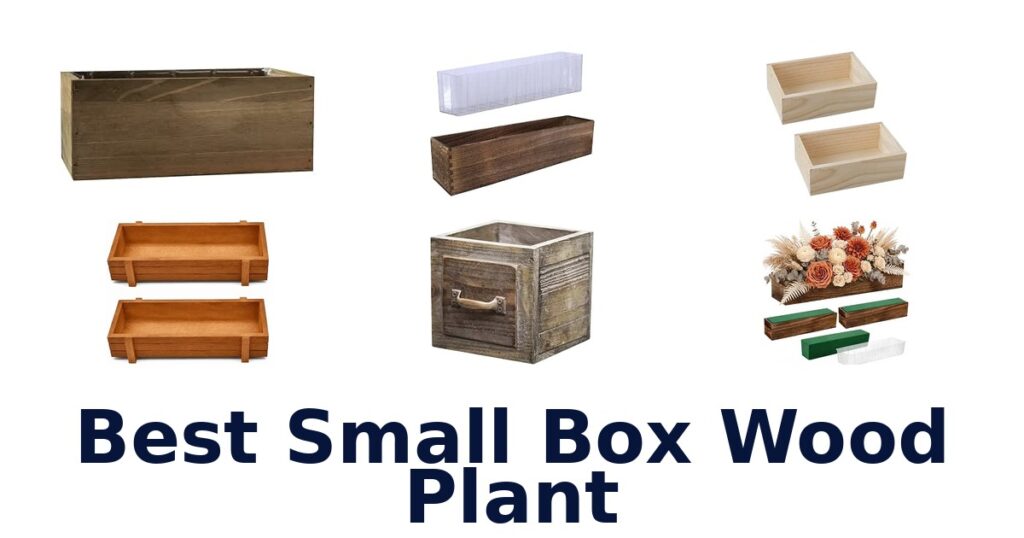
Compare compact wooden plant boxes by size, shape, liners and included extras to find a fit for succulents, herbs, centerpieces or small-space decor.