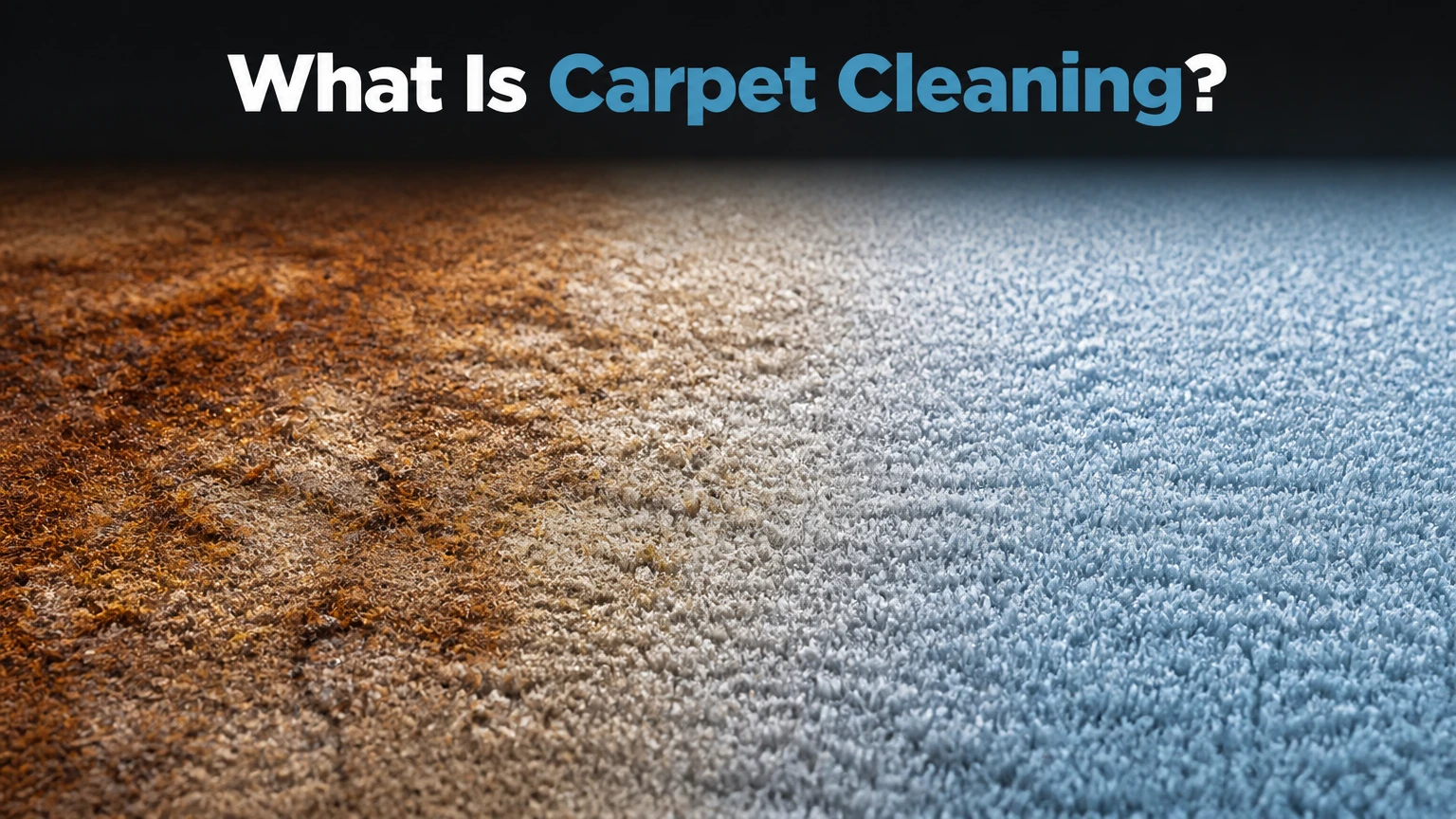
Carpet cleaning is the systematic extraction of embedded soil, microbial contaminants, and chemical allergens from synthetic or natural floor fibers. Professional extraction restores fiber integrity, improves indoor air quality, and prevents premature abrasive wear caused by trapped particulate matter grinding against the floor backing.
At a Glance
- Major flooring manufacturers mandate hot water extraction every 12 to 18 months to maintain product warranties.
- Truck-mounted systems operate at 400 to 500 PSI to remove soil without shredding delicate floor fibers.
- Synthetic nylon flooring safely tolerates cleaning agents with a pH up to 10.0.
- Wool and silk require neutral pH solvents to prevent permanent browning and irreversible color bleeding.
- Average drying time ranges from 6 to 12 hours depending on indoor humidity levels.
- Rental machines lack adequate vacuum power and often leave behind sticky detergent residue that attracts rapid re-soiling.
How Often Should Carpets Be Professionally Cleaned?
Residential carpets require professional cleaning every 12 to 18 months. Commercial properties with high foot traffic demand quarterly or even monthly extraction schedules to maintain structural integrity.
Shaw Floors and Mohawk Flooring strictly require this 12-to-18-month frequency. Skipping this maintenance voids the manufacturer warranty. Dirt acts like microscopic glass. Each footstep grinds this abrasive soil into the synthetic yarns. Regular soil removal extends the lifespan of the flooring material by up to ten years. Homes with indoor pets, active children, or residents suffering from asthma need extraction every six to nine months.
The Institute of Inspection, Cleaning and Restoration Certification (IICRC) publishes these exact timelines in their S100 standard. Adhering to these guidelines prevents irreversible fiber matting in heavy traffic lanes. Allowing dry soils to accumulate past the 18-month mark causes permanent traffic lane graying. Once the nylon fibers become physically scratched by trapped grit, no amount of chemical washing will restore their original luster.
What Are The Industry Standards For Hot Water Extraction?
Hot water extraction requires specific temperature, pressure, and chemical parameters to dissolve soils without damaging the flooring material. The IICRC dictates these baseline metrics for all certified technicians operating in the field.
Temperature must stay between 140°F and 212°F (60°C to 100°C). Heat accelerates the chemical breakdown of oil-bound soils. Truck-mounted systems deliver water pressure at 400 to 500 PSI. This exact pressure dislodges embedded debris deep in the pile without shredding the yarn twist. Chemical cleaning agents must maintain a pH between 5.5 and 10.0. Technicians apply these solutions at an average rate of 70 to 80 square feet per gallon.
Deviating from these metrics causes catastrophic flooring failure. Excessive pressure delaminates the primary backing from the secondary latex layer. Excessive heat melts olefin fibers completely. Inadequate suction leaves the padding saturated.
| Parameter Metric | Target Standard Range | Critical Purpose During Extraction |
| Water Temperature | 140°F to 212°F | Accelerates chemical breakdown of oil-bound soils. |
| Pump Pressure | 400 to 500 PSI | Dislodges embedded debris without shredding yarn twists. |
| Chemical pH Level | 5.5 to 10.0 pH | Safely dissolves organic matter without burning synthetic dyes. |
| Application Rate | 70 to 80 Sq. Ft. per Gallon | Ensures adequate chemical suspension without subfloor flooding. |
| Moisture Recovery | Minimum 85% lift | Prevents pad saturation and inhibits mold spore colonization. |
What Is The Difference Between Steam And Dry Encapsulation Methods?
Steam extraction uses pressurized hot water to flush contaminants from deep inside the pile, while dry encapsulation uses absorbent chemical polymers with minimal moisture for rapid surface turnaround. Each methodology serves entirely different architectural environments.
Hot water extraction injects boiling water and detergent directly into the carpet backing. A high-powered vacuum instantly recovers the soiled liquid. This method removes 99 percent of embedded dirt. Dry encapsulation relies on specialized acrylic polymers. Technicians agitate these polymers into the fibers using counter-rotating brushes. The chemicals crystallize around soil particles. A standard commercial vacuum then removes the brittle crystals from the surface.
Encapsulation requires only 30 to 45 minutes of drying time. Commercial office buildings use dry methods to prevent operational downtime. Residential homes require hot water extraction to remove biological hazards, pet dander, and deep particulate matter. Encapsulation only cleans the top third of the yarn pile. It cannot sanitize a flooded basement or remove heavy pet urine saturation.
| Cleaning Methodology | Moisture Content | Average Dry Time | Best Architectural Application |
| Hot Water Extraction | High (Deep saturation) | 6 to 12 Hours | Residential homes, biohazard removal, heavy restoration. |
| Dry Encapsulation | Very Low (Surface spray) | 30 to 45 Minutes | Commercial offices, 24-hour retail spaces, light soil. |
| Absorbent Compound | Extremely Low (Dry powder) | Immediate | Water-sensitive organic fibers, interim commercial maintenance. |
How Much Does Professional Floor Extraction Cost?
Homeowners pay between $150 and $300 for a standard whole-house floor extraction service. Pricing models depend entirely on the total square footage, the regional market rate, and the specific cleaning methodology chosen.
Service companies charge either per room or per square foot. The national average sits at $0.20 to $0.40 per square foot. Flat-rate room pricing typically ranges from $40 to $70 per area. Staircases carry flat surcharges of $2 to $4 per step due to the intensive manual labor required. Heavily soiled traffic lanes require intensive mechanical agitation and chemical pre-sprays. These specialized treatments add 20 to 30 percent to the base invoice.
Biohazard treatments for urine or feces cost significantly more. Technicians inject enzymatic neutralizers into the subfloor for these biohazards, raising the cost of a single room to over $125. Consumers should avoid bait-and-switch operators advertising whole-house services for fifty dollars. These rogue companies use cheap detergents and charge exorbitant hidden fees at the door. Quality firms provide written estimates based on exact room measurements before connecting a single hose.
How Long Does Professional Extraction Take To Dry?
A professionally treated floor requires 6 to 12 hours to dry completely. High ambient indoor humidity or poor structural ventilation can extend this drying window up to 24 hours.
Truck-mounted equipment recovers up to 85 percent of the moisture injected during the rinse phase. The remaining 15 percent must evaporate into the surrounding air. Technicians speed up this evaporation phase by deploying high-velocity centrifugal air movers immediately after extraction. Homeowners can accelerate the process by turning on ceiling fans and lowering the HVAC thermostat to 68°F (20°C). Air conditioning actively removes moisture from the indoor environment.
Opening windows only helps if the outside humidity sits below 50 percent. Walking on damp synthetic fibers compresses the yarn twist. Furniture placed on wet flooring will transfer wood stain or metal rust directly into the pile. Technicians place foil tabs or small foam blocks under furniture legs to prevent this permanent damage. Do not remove these protective blocks until the flooring feels entirely dry to the bone.
How Soon Can You Walk On Freshly Cleaned Carpet?
You can walk on a freshly cleaned carpet immediately if you wear clean socks or slip-on plastic booties. Bare feet and street shoes must remain off the damp surface for at least six hours.
Damp fibers act like a giant sponge. They immediately absorb dirt from rubber shoe soles and natural oils from bare skin. Walking barefoot on a wet rug transfers sebum oil directly into the yarn. This invisible oil attracts dark soils within days. Keep pets and children completely out of the treated area until the fibers feel entirely dry to the touch. Heavy foot traffic on wet pile crushes the tufts permanently.
If you must cross the room, walk exclusively on the areas closest to the baseboards. Technicians groom the pile with a specialized floor rake before leaving. Disturbing this groomed pattern before evaporation finishes will leave visible footprints locked into the dried texture. Planning your daily routine around the extraction appointment prevents accidental re-soiling.
How Do You Prepare A Room For Professional Technicians?
Preparation requires removing all small furniture, clearing floor clutter, and vacuuming loose dry soil before the technicians arrive. Proper staging ensures the equipment can reach wall-to-wall without physical obstruction.
Relocate dining chairs, floor lamps, potted plants, and toys to an adjacent uncarpeted room. Professional crews will move large items like sofas and heavy tables, but they strictly refuse to handle fragile electronics or valuable antiques due to liability risks. Pin up full-length curtains or upholstered furniture skirts so they hang at least six inches above the floor. Damp extraction wands will permanently stain delicate drapery fabrics if they make contact.
Secure your pets in a closed bedroom or garage. Truck-mounted hoses require an exterior door to remain open for several hours. This open door creates an easy escape route for anxious dogs and cats. Finally, perform a thorough dry vacuuming pass. Removing loose hair and dry dust prevents the injected hot water from turning surface debris into thick, unmanageable mud.
Can You Clean Natural Wool And Silk Floors With Hot Water?
You cannot use standard hot water methods on natural wool or silk fibers. High temperatures shrink natural yarns, while highly alkaline detergents cause permanent dye bleeding and severe structural browning.
Wool and silk require specialized low-moisture or dry-solvent applications. Wool fibers hold up to 30 percent of their weight in water without feeling wet to the touch. Flooding a wool rug causes the organic backing to rot and emit a foul sulfur odor. Silk is even more fragile. Exposing silk to hot water destroys the smooth protein structure, leaving the expensive material looking like dull cotton.
Technicians must use neutral chemical agents with a pH between 5.5 and 8.5. Any pH level above 9.0 chemically burns natural proteins. Natural plant-fiber backings like jute and sisal react similarly. Over-wetting jute causes immediate buckling and irreversible dry rot. Certified specialists test the dye stability of these natural rugs in an inconspicuous corner before applying any moisture to the main field.
Why Do Grocery Store Rental Machines Fail?
Retail rental machines lack the vacuum lift required to extract water effectively and often leave a heavy sticky detergent residue behind. This leftover soap acts as a permanent soil magnet.
Professional truck-mounted units generate up to 150 inches of water lift. A grocery store rental machine generates less than a third of that suction power. This weak vacuum leaves the backing material saturated for over 48 hours. Prolonged saturation triggers toxic mold and mildew growth underneath the floor pad. Furthermore, DIY users tend to pour excessive amounts of over-the-counter foam cleaner directly into the machine tank.
Without a neutralizing acidic rinse, this alkaline soap dries onto the yarn. Within a month, ambient dirt sticks to this residue, making the floor look substantially dirtier than it did prior to treatment. Generic spot removers sold at retail stores contain optical brighteners. Scrubbing these harsh chemicals into a fresh spill often chemically burns the synthetic dye, permanently setting the stain.
How Do You Remove Pet Urine From Floor Fibers?
Surface cleaning cannot remove pet urine because the liquid penetrates through the primary backing directly into the foam pad and wooden subfloor. Permanent removal requires sub-surface extraction combined with biological enzymatic chemical treatments.
Urine leaves the mammal’s body as a sterile acidic fluid. Within hours, it oxidizes into a highly alkaline ammonia salt. Standard detergents cannot break down these crystallized alkaline salts. When hot water hits dried urine, the thermal energy reactivates the ammonia gas, making the odor significantly worse.
Professional technicians use a specialized floor tool called a water claw. They flood the specific spot with a live enzymatic digester. These microscopic enzymes consume the odor-causing bacteria over a 24-hour period. The technician then extracts the entire liquid volume from the subfloor up through the pad. In cases of severe saturation, the affected foam pad must be physically cut out and replaced. The exposed concrete or wooden subfloor is then painted with an oil-based shellac sealer to trap any remaining volatile organic compounds.
Does Standard Extraction Remove Bleach Stains?
Standard extraction cannot fix bleach stains because bleach does not deposit color into the yarn. Bleach actively strips the original factory dye pigment out of the synthetic material entirely.
Removing a stain involves extracting a foreign substance. Bleach exposure is a chemical burn. Once the sodium hypochlorite chemical strips the color, the damage is permanent. Washing the area only removes the residual chemical from the fibers. Repairing a bleach spot requires professional spot-dyeing or structural floor patching.
A certified color repair technician can neutralize the active bleach and carefully inject new liquid dyes into the white spot. They blend primary colors on site to match the surrounding faded pattern. If the bleach chemically melted the nylon structure, dyeing will fail. In this scenario, the technician must perform a bonded insert. They cut out the damaged circle and permanently glue a donor piece of matching scrap flooring into the vacant hole.
Why Do Old Stains Reappear After A Deep Wash?
Old stains reappear through a physical process called wicking. The original spill penetrated deeply into the backing material, and the moisture from the cleaning wand pulls the trapped soil back to the surface as it dries.
Think of the yarn pile like a thick candle wick. As the surface tips dry, capillary action draws the damp moisture up from the bottom of the flooring. If the base of the pile contains unextracted coffee, dark soda, or heavy oil, this dark soil rides the moisture directly to the visible surface. Wicking usually occurs 12 to 24 hours after the technicians leave the property.
Another phenomenon called cellulosic browning happens when natural jute backings get too wet. As the jute dries, it releases natural brown tannins that travel up the synthetic yarns. Technicians prevent wicking by using multiple dry vacuum passes during extraction to remove maximum moisture. They also apply an encapsulating acid rinse that crystallizes any ascending soil. If wicking occurs, a quick surface application of a low-moisture polymer usually solves the problem without re-wetting the base.
| Visual Post-Treatment Issue | Underlying Physical Mechanism | Required Corrective Solution |
| Wicking Spots | Capillary action draws deep soil upward during drying. | Low-moisture encapsulation spray over the affected tips. |
| Cellulosic Browning | Over-wetting causes jute backings to release brown tannins. | Application of a mild acidic neutralizer (acetic acid). |
| Rapid Re-soiling | High-pH soap residue was left behind without an acidic rinse. | A pure hot water flush followed by a neutralizing agent. |
| Indentations | Heavy furniture crushed wet fibers during the drying phase. | Steam injection and mechanical raking to lift the tufts. |
Does Deep Washing Remove Factory Stain Treatments?
Aggressive hot water extraction slowly strips away factory-applied fluorochemical treatments like Scotchgard or Teflon. Foot traffic also naturally wears off these protective coatings over a period of two to three years.
Synthetic flooring leaves the manufacturing plant coated in a chemical dye blocker. This invisible shield fills the microscopic dye sites inside the yarn. When you spill red wine, the liquid cannot penetrate the fiber because the protector blocks the entry points. Heavy mechanical agitation, high alkaline detergents, and constant abrasive walking break down this chemical barrier. After a deep wash, the yarns are completely clean but entirely unprotected.
Professional technicians strongly recommend reapplying a topical fluorochemical protectant spray immediately after the final rinse. The technician sprays the protectant onto the damp pile and grooms it in with a stiff brush. As the floor dries, the chemical bonds directly to the nylon structure. This reapplication restores the surface tension, causing future liquid spills to bead up rather than soak into the pad.
Can Professional Care Eliminate Dust Mites And Allergens?
Professional hot water extraction eliminates up to 98 percent of dust mites, pet dander, and trapped pollen. The combination of boiling water and extreme vacuum pressure destroys the biological allergens hiding in the lower pile.
According to a 2022 study by the American College of Allergy, Asthma, and Immunology, neglected floor textiles act as giant environmental filters. They trap airborne particulates that would otherwise circulate through the HVAC system. Once this floor filter fills to absolute capacity, everyday walking kicks these allergens back into the breathing zone.
Dust mites themselves do not cause allergic reactions. The human respiratory system reacts to a specific highly-allergenic protein found in dust mite feces. Dry vacuuming cannot extract these sticky proteins from the lower yarn twists. Water heated above 130°F (54°C) instantly kills live dust mites and denatures the problematic proteins. Allergy sufferers experience immediate respiratory relief following a proper high-temperature rinse. The Environmental Protection Agency (EPA) advises allergy-prone households to schedule professional extraction every six months to maintain baseline indoor air quality.
What Chemical Ingredients Are Used In Commercial Solutions?
Commercial detergents utilize a precise blend of alkaline builders, non-ionic surfactants, and specialized solvents to break the chemical bonds between dirt and synthetic yarn. Technicians match specific chemical families to the exact type of soil present on site.
Alkaline builders like sodium tripolyphosphate elevate the pH to dissolve acidic grease and heavy cooking oils. Surfactants lower the surface tension of the water. This allows the liquid to penetrate the tightly twisted nylon bundles rather than pooling uselessly on top. For petroleum-based soils like driveway asphalt or chewing gum, technicians apply volatile dry solvents like d-Limonene. This citrus-based solvent dissolves heavy hydrocarbons without damaging the synthetic latex backing.
Bio-enzymatic cleaners contain dormant bacteria cultures. When applied to organic matter like blood, vomit, or spilled milk, these bacteria wake up and digest the complex proteins. To prevent chemical burns, technicians always finish the job with an acidic rinse. This acetic or citric acid solution neutralizes the high-pH detergents, leaving the floor feeling soft and preventing rapid re-soiling.
When Should A Floor Textile Be Replaced Instead Of Cleaned?
You should replace the flooring entirely when the structural integrity fails, which manifests as delamination, severe rippling, or permanent traffic lane crushing. Cleaning cannot fix physical damage to the synthetic materials.
Traffic lane graying happens when constant walking physically scratches the smooth synthetic yarns. Just like a scratched pane of glass looks cloudy, scratched nylon looks gray and dirty regardless of how many times it gets washed. Delamination occurs when the primary backing separates from the secondary backing. The floor will look wrinkled and feel loose underfoot. This structural failure requires immediate replacement.
Severe mold infestations also dictate immediate removal. If water damage saturates the subfloor for more than 48 hours, black mold colonizes the latex adhesive. No chemical application can safely guarantee total spore removal from a porous foam pad. Finally, if the cost of advanced restoration (like extensive bonded patching or full-room dye correction) exceeds fifty percent of the replacement value, purchasing new materials makes much better financial sense.
The Bottom Line
Carpet cleaning is the essential process of utilizing thermal, chemical, and mechanical energy to extract abrasive soils from synthetic and natural floor fibers. Routine maintenance every 12 to 18 months remains mandatory to prevent irreversible yarn damage and maintain factory warranties. While DIY rental machines often create long-term soil attraction issues, hiring certified professionals ensures proper pH balancing, adequate moisture recovery, and a completely sanitized indoor environment.