Why Do Clothes Fade? UV, Washing, and Friction Explained
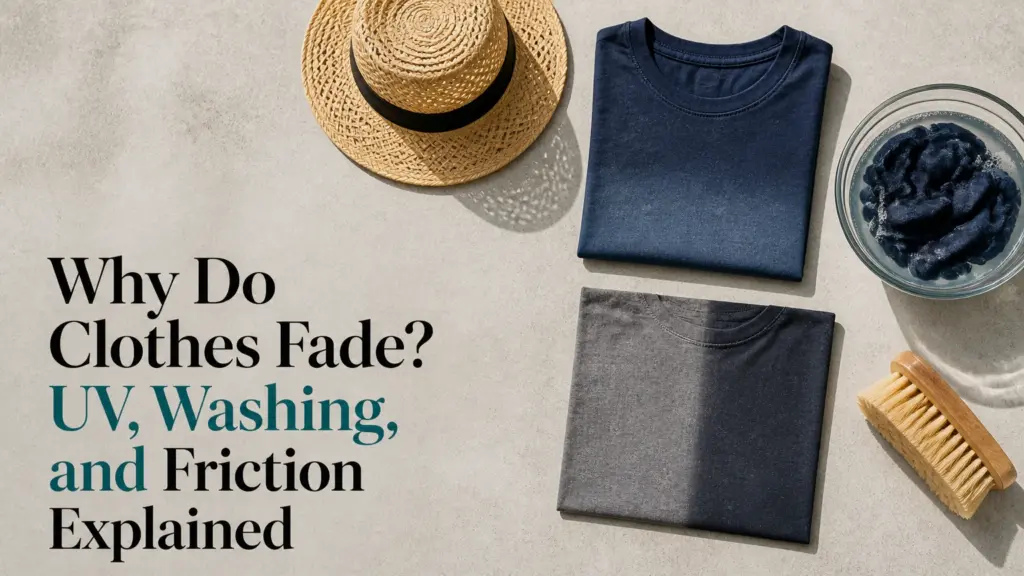
Clothes fade because light, washing chemistry, heat, and friction either chemically alter textile dyes or remove and roughen the colored surface. Ultraviolet radiation can permanently destroy dye molecules, while repeated laundering may extract unfixed dye, abrade fibers, and make intact color look dull through microscopic fuzz. Key Facts at a Glance What Does Fading Mean […]
How to Unshrink Clothes: Restore the Fit Safely
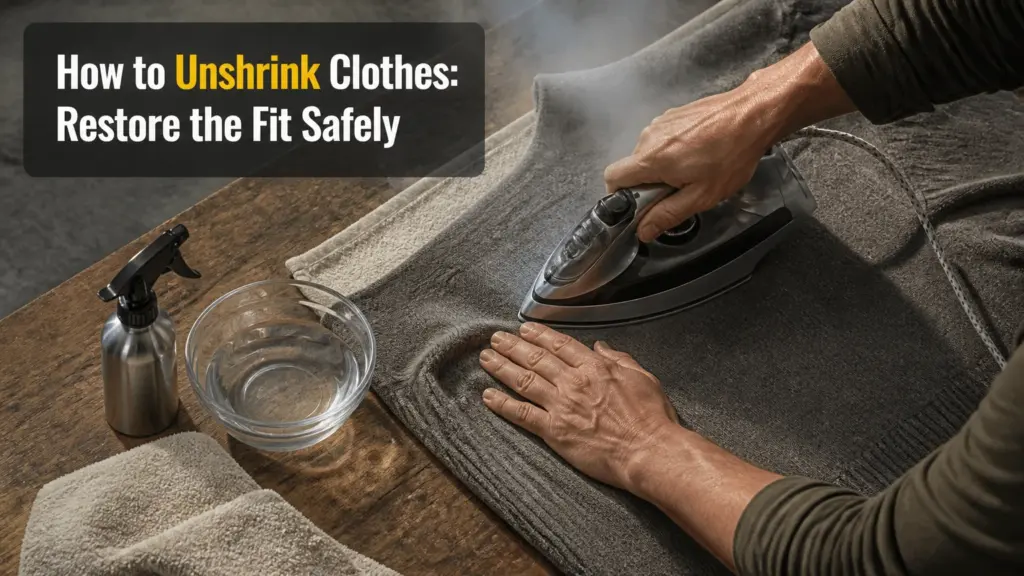
To unshrink clothes, wet the garment in lukewarm water with a small amount of conditioner or wool-safe detergent, remove excess water without wringing, then reshape it flat to measured dimensions while it dries. The method can restore relaxed cotton, wool, and knitted garments, but severe felting, melted synthetics, and damaged seams usually cannot be reversed […]
How to Prevent Clothes From Fading and Stay Colorfast

To prevent clothes from fading, wash colored garments inside out in cold or cool water with a measured color-safe detergent, reduce friction, and dry them away from direct sunlight. Wash only when needed, avoid chlorine bleach and excessive heat, and follow the garment’s care label because fiber type and dye method determine the safest settings. […]
How to Prevent Clothes From Shrinking: Cold-Wash Rules
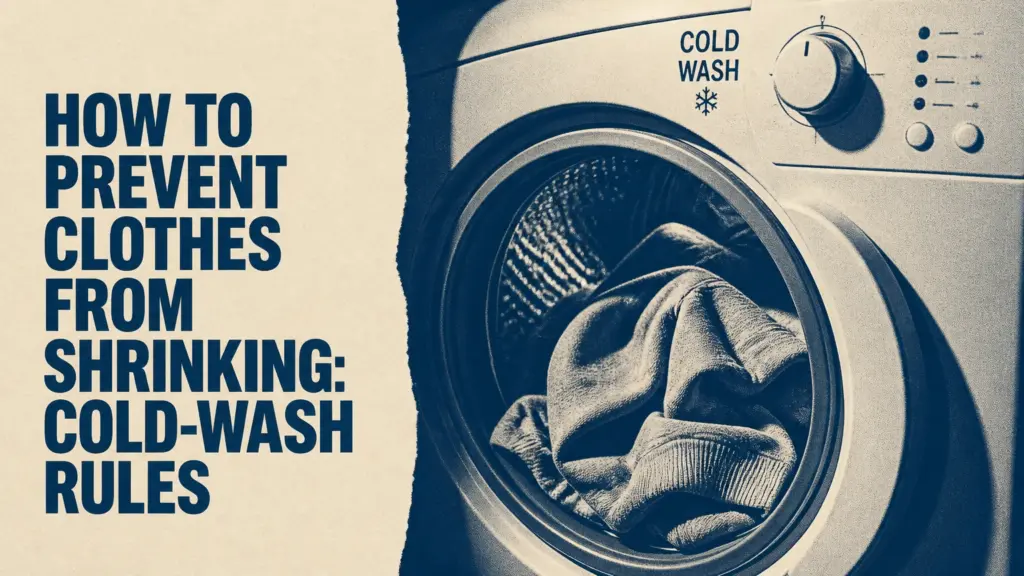
To prevent clothes from shrinking, wash garments at the lowest temperature allowed by the care label, use gentle agitation, avoid overloading, and air-dry or tumble-dry briefly on low heat. The most important control is drying: prolonged high heat can permanently reduce cotton, wool, rayon, and some synthetic garments. What Causes Clothes to Shrink? Clothes shrink […]
Why Do Clothes Shrink? Heat, Water, and Fiber Types
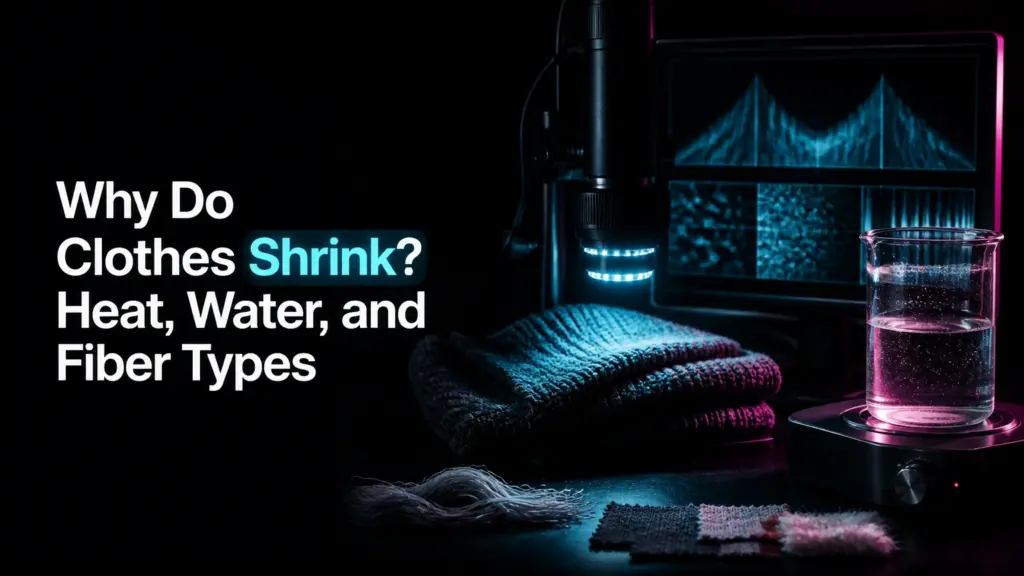
Clothes shrink because water, heat, and movement release or rearrange tension held in fibers, yarns, and fabric during manufacturing. Cotton and linen usually relax as they become wet, wool can permanently felt through heat and agitation, and rayon can distort while wet. The dryer often causes more shrinkage than washing. Why Do Clothes Shrink? Clothes […]
How to Prevent Moths in Clothes: A 7-Step Wardrobe Plan
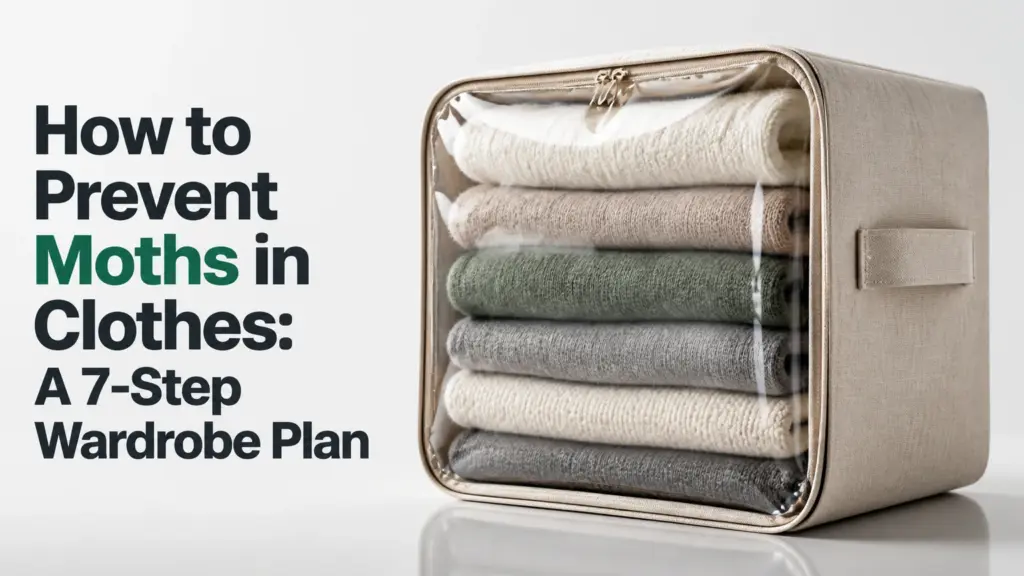
To prevent moths in clothes, clean animal-fiber garments before storage, vacuum every closet harborage, seal textiles in moth-resistant containers, and monitor with species-specific pheromone traps. The decisive factor is removing larvae and eggs, not chasing adult moths, because clothes moth larvae create the holes while adults generally do not feed on fabric. Which Moths Damage […]
How to Store Wedding Dress: Archival Steps That Last
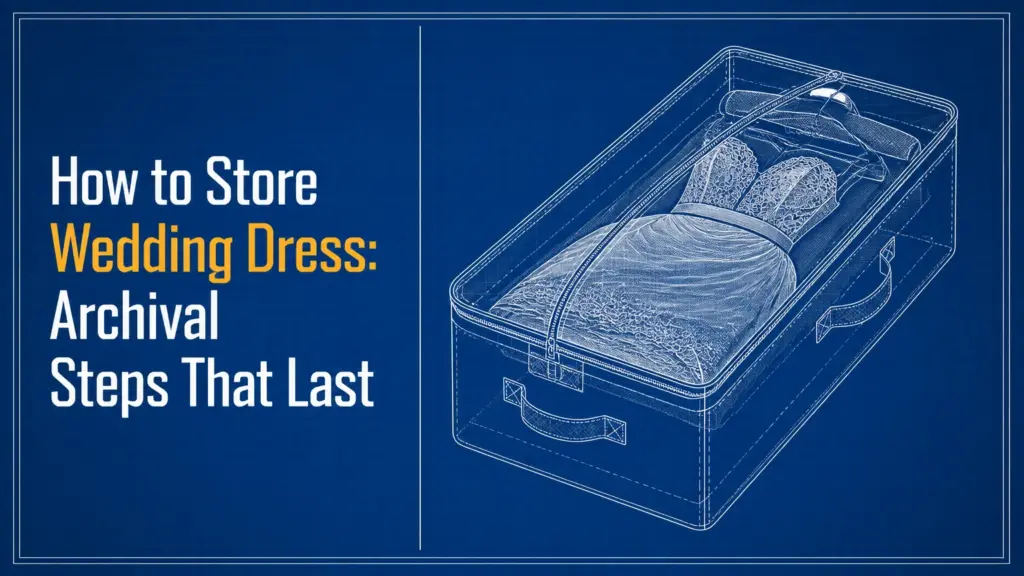
To store a wedding dress safely, have it inspected and professionally cleaned, wrap it in unbuffered acid-free tissue, then place it in an archival box or breathable cotton-muslin garment bag. Keep the gown away from light, plastic, heat, and moisture at 60°F-72°F and approximately 45%-55% relative humidity. Why Wedding Dresses Deteriorate Wedding dresses deteriorate through […]
How to Store Winter Clothes: A 6-Step Safe Plan

To store winter clothes safely, clean every garment according to its care label, dry it completely, inspect it for pests or damage, fold or hang it according to its fiber and structure, then place it in a suitable container in a cool, dry, dark location. The process usually takes 2-4 hours for an average household […]
How to Store Suits Without Losing Their Shape
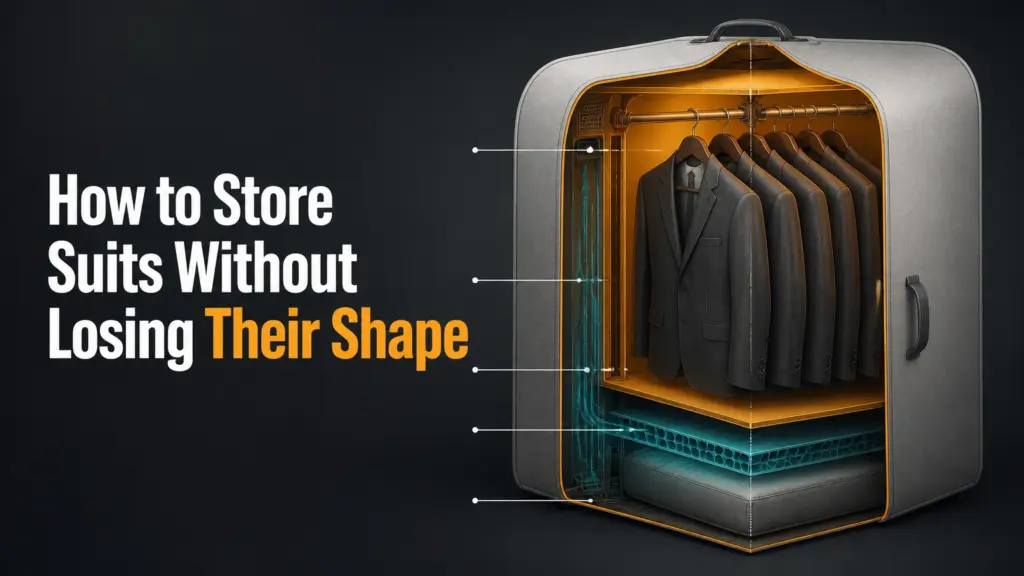
To store suits correctly, clean and dry each garment, place the jacket and trousers on a broad contoured hanger, cover them with a breathable garment bag, and keep them in a dark, dry, uncrowded closet. A suitable environment is typically 15-21°C and 40-50% relative humidity, with at least 2.5 cm between hanging garments. Before You […]
How to Store Clothes Long Term: 7 Steps That Prevent Damage
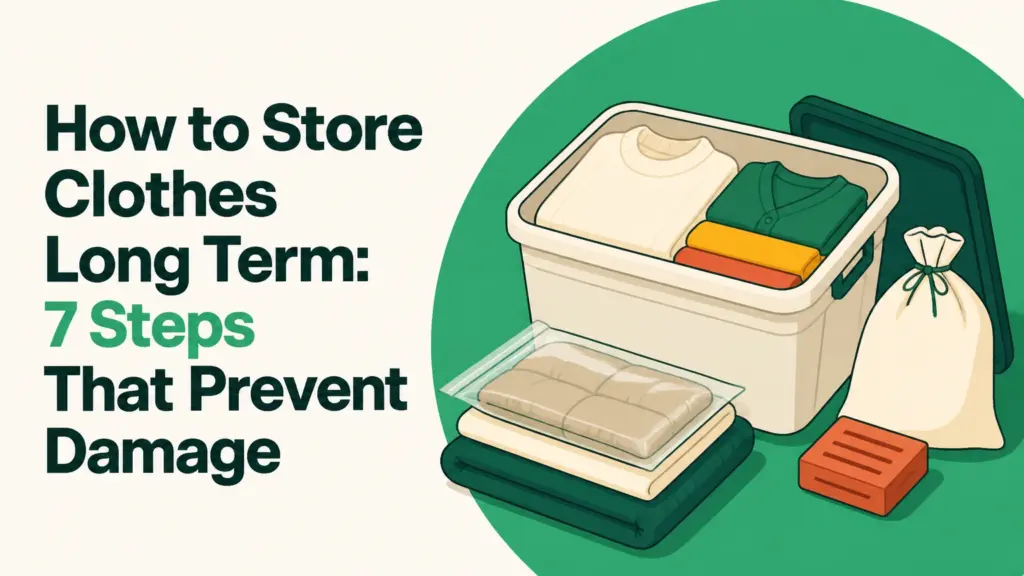
To store clothes long term, clean and completely dry every garment, repair and sort it by material, choose a container that matches the fabric, protect it from pests and light, and place it in a cool, stable, dry room. Inspect stored clothing every six to twelve months, because early moisture, pest, or odor detection prevents […]