How to Separate Laundry: A Safer Sorting System
Laundry sorting means separating washable items by color, fabric, weight, soil level, and care-label requirements before washing. The safest routine is to check labels, remove hazards, divide high-bleed colors from lights, keep delicate and lint-prone fabrics apart, then choose a compatible cycle, temperature, detergent, and drying method. Key Facts at a Glance Why Should You […]
How to Wash Clothes Without Shrinking: 7 Safe Steps
To wash clothes without shrinking, follow the care label, use the coolest effective water temperature, minimize agitation, and avoid high dryer heat. Sort garments by fiber, color, and weight; wash delicate items inside out on a gentle cycle; then reshape and air-dry them according to their construction. Dryer heat is the largest preventable risk. Why […]
How to Prevent Colors From Bleeding in Laundry: 9 Steps
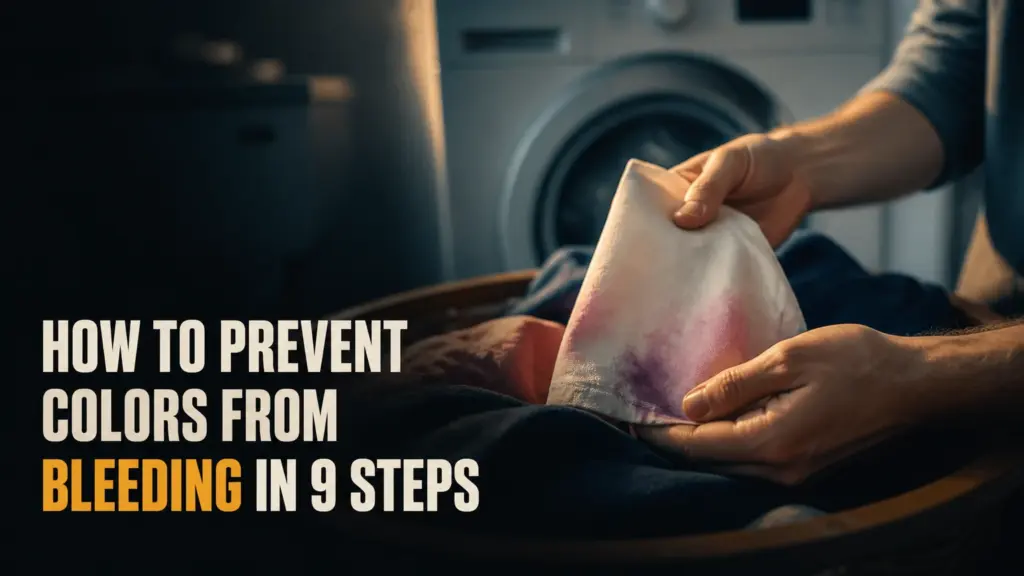
To prevent colors from bleeding in laundry, sort high-risk garments, test new dyes, wash in cool water with low agitation, use the correct detergent dose, and remove clothes promptly. Keep new reds, dark denim, saturated cottons, and multicolor garments away from whites until they pass a colorfastness test. Before You Start: Time, Cost, and Supplies […]
Why Does Laundry Detergent Stain Clothes? Causes and Fixes

Laundry detergent stains clothes when detergent ingredients remain on fabric instead of being dissolved, dispersed, and rinsed away. The usual causes are overdosing, an overloaded washer, poor dispenser flow, insufficient rinse water, or a formulation poorly matched to the temperature and water hardness. The residue may look white and chalky, blue, greasy, waxy, or gelatinous. […]
How to Remove Musty Smell From Clothes in One Wash
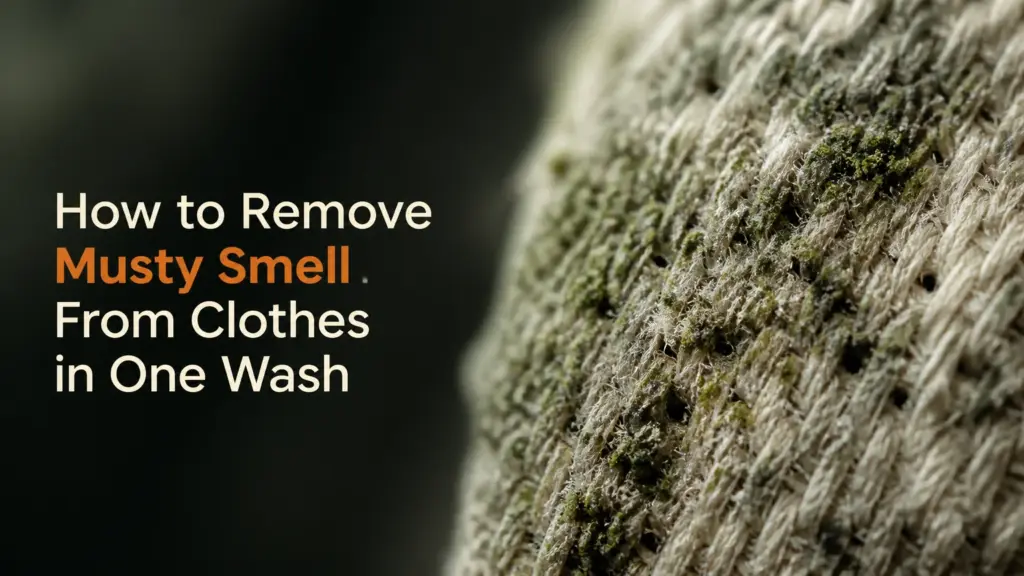
To remove a musty smell from clothes, wash washable items with heavy-duty detergent at the warmest care-label-safe temperature, use oxygen bleach when the fabric permits, rinse thoroughly, and dry completely. The most important factor is eliminating moisture and the odor source, because clean clothing can smell musty again if the washer, hamper, closet, or fabric […]
How to Wash a Comforter Without Clumping
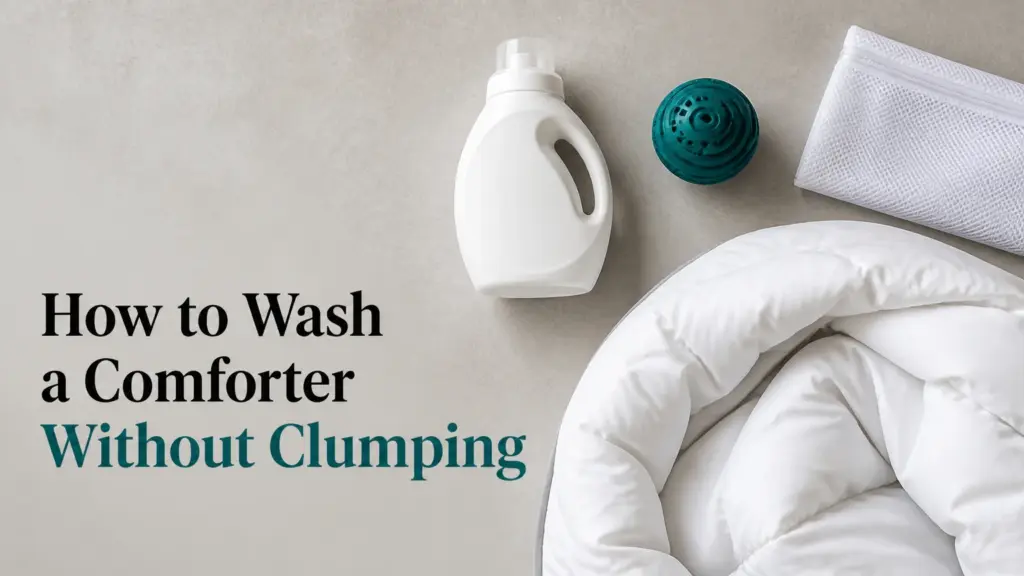
To wash a comforter safely, inspect the care label and seams, pretreat stains, use a large washer with mild detergent, select a gentle bedding cycle, and run an extra rinse. Dry the comforter completely on low heat with dryer balls, stopping every 20-30 minutes to shake and redistribute the insulation. Why Comforters Need a Different […]
How to Wash Cashmere Without Shrinking It
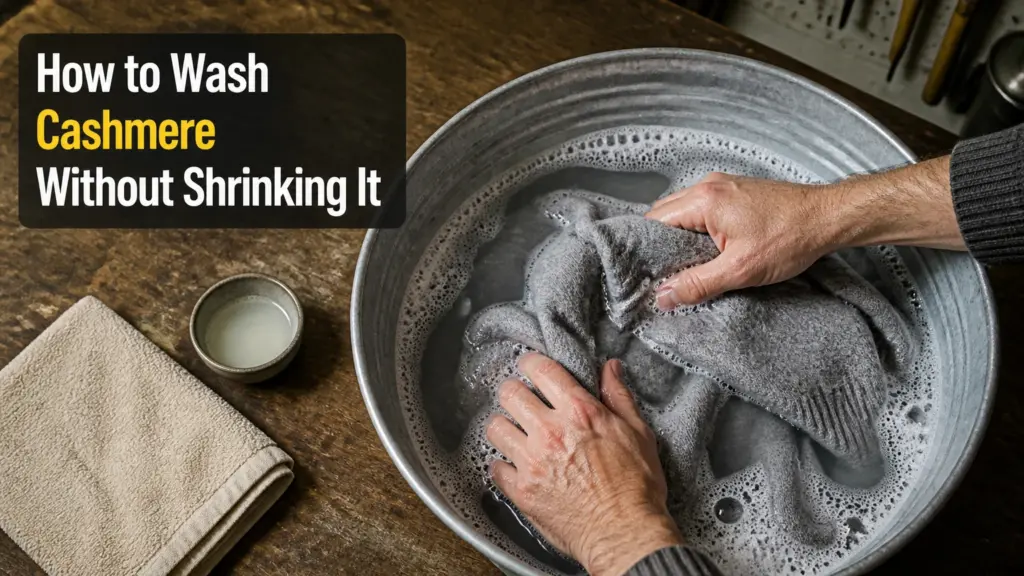
To wash cashmere safely, use cool water at 20-30°C, a liquid wool detergent, and minimal agitation, then press out water and dry the garment flat. Hand washing is the safest method for most cashmere sweaters and scarves; machine washing is acceptable only when the care label permits a wool or delicate cycle. Key Facts at […]
How to Wash Linen Clothes: A Shrinkage-Safe Method
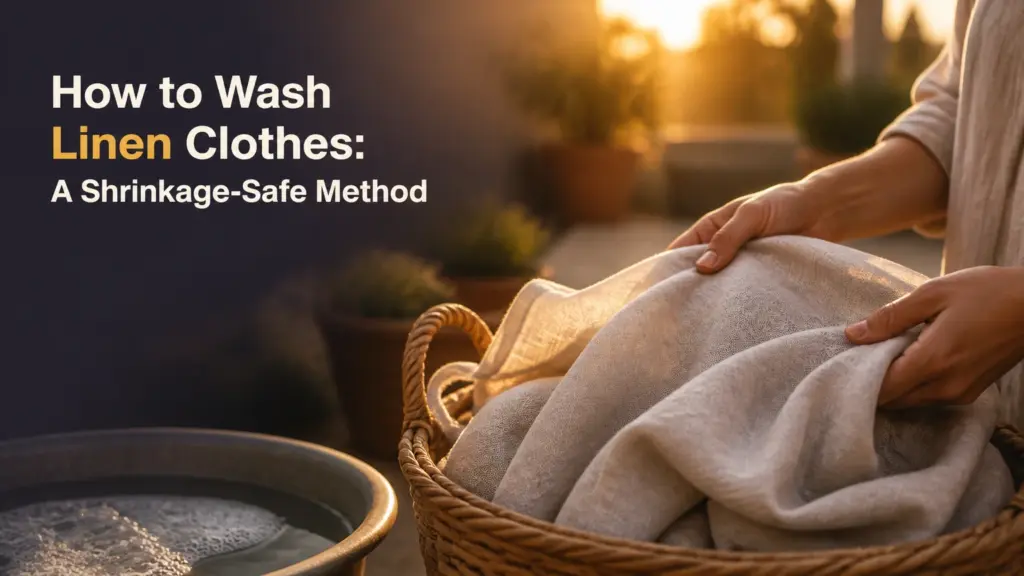
To wash linen clothes, check the care label, sort by color and weight, use a gentle 30-40°C cycle with mild detergent, select low spin, and remove the garment immediately. Air-dry linen while reshaping seams, then iron it slightly damp if a smooth finish is wanted. The label overrides general linen-care advice. Why Linen Needs Gentler […]
How to Wash Silk Clothes Safely at Home in 30 Minutes
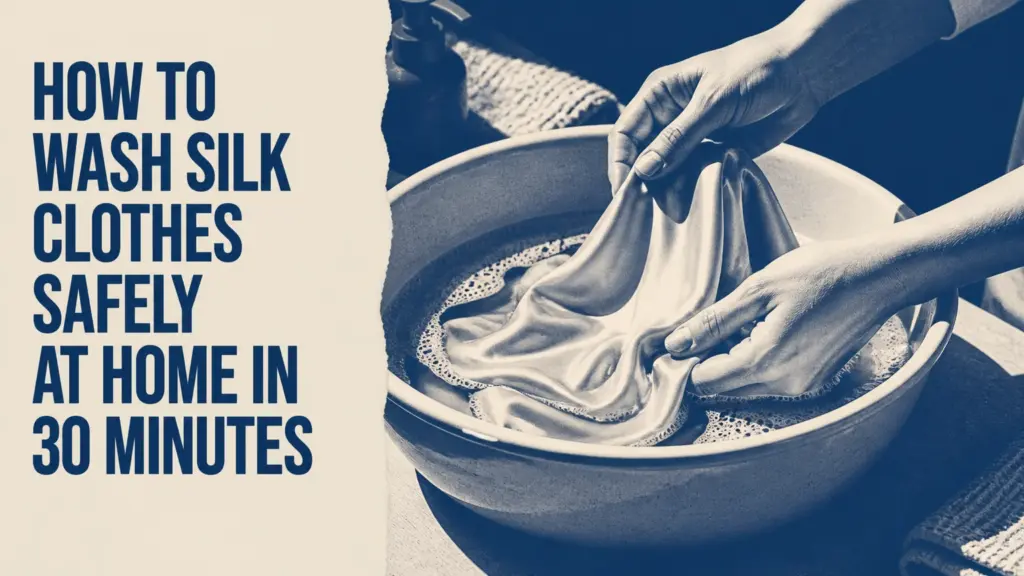
Silk clothes are safest when washed according to their care label in cool water, with a small amount of pH-neutral liquid detergent and minimal friction. For washable silk, gently hand-wash for about 5 minutes, rinse without twisting, remove water with a towel, and air-dry away from heat and direct sunlight. Key Facts at a Glance […]
How to Wash Wool Clothes Without Shrinking
Wash wool clothes in cool or lukewarm water, use a wool-specific detergent, and keep heat, friction, and sudden temperature changes low. Hand wash delicate wool for the most control, or use a machine’s wool cycle when the care label permits it. Press out water, reshape the garment, and dry it flat rather than hanging it. […]