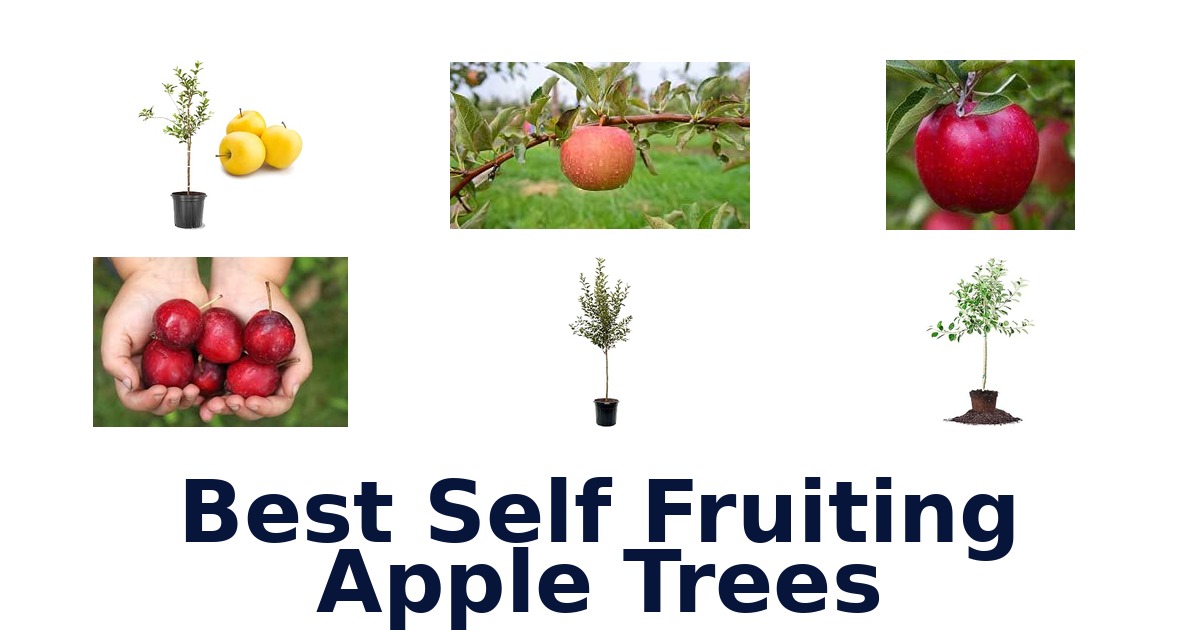
A strong self-fruiting apple tree delivers a named self-fertile variety suited to your climate, making it useful for gardeners who have room for only one apple tree. In this lineup, Golden Delicious, Granny Smith, Fuji, and Anna options explicitly say they are self-fertile or self-pollinating, while other listings require more caution. The choices range from a 3–4-foot Golden Delicious with fertilizer and a planting guide to potted trees, including a 7-gallon semi-dwarf Granny Smith.
Climate fit matters as much as the self-pollination label: Anna needs only 200–300 chill hours, while the Dolgo crabapple lists Compare the specific variety, stated chill needs or hardiness zone, and delivery format before choosing; a self-fertile label does not guarantee fruit in every location.
The PERFECT PLANTS Golden Delicious Apple Tree is the best overall fit because its listing explicitly identifies it as self-fertile and high-yielding, and includes a fertilizer blend and planting guide. Its stated 3–4-foot size gives buyers a useful starting point for planning, though the listing excludes California and Arizona shipping. For warmer regions with low winter chill, consider Pixies Gardens Anna Apple Tree instead; it specifies 200–300 chill hours and self-pollination.
Our Top Picks
 Best Overall
PERFECT PLANTS Golden Delicious
Explicitly self-fertile and high-yielding, with a 3–4-foot live tree, fertilizer blend, and planting guide; shipping excludes California and Arizona.
View on Amazon Best Semi-Dwarf
American Plant Exchange Granny Smith
This self-pollinating semi-dwarf is listed for zones 5–9 and arrives in a 7-gallon pot, with tart green fruit suited to eating, baking, and cider.
View on Amazon Best Fuji Option
The listing identifies Fuji as self-fertile and gives zones 5–8, full-sun guidance, and a 1-gallon potted tree measuring 4–5 feet.
View on Amazon- Best Low-Chill Pixies Gardens Anna
Compare the Apple Trees at a Glance
| # | Product | Weight | Care Instructions | Material Feature | Buy |
|---|---|---|---|---|---|
| 1 | 1. PERFECT PLANTS Golden DeliciousBest Overall | 27 lb | — | — | View on Amazon |
| 2 | 2. American Plant Exchange Granny SmithBest Semi-Dwarf | 12 lb | Water your apple tree deeply once a week… | Live Plant, Nursery Pot, Potting Soil | View on Amazon |
| 3 | 3. TriStar Plants FujiBest Fuji Option | 5 lb | Well-drained | GMO Free | View on Amazon |
| 4 | 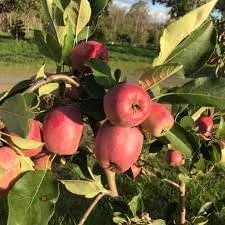 4. Pixies Gardens AnnaBest Low-Chill | 10 lb | Place the plant in full sun, ensure it is… | Deciduous | View on Amazon |
| 5 |  5. American Plant Exchange Golden DeliciousPotted solo-fruiting Golden Delicious | 21 lb | — | Organic | View on Amazon |
| 6 |  6. Arbor Day Foundation AnnaPotted Anna apple starters | 5 lb | Planting Instructions Included | — | View on Amazon |
| 7 |  7. Arbor Day Foundation Honey CrispPotted Honeycrisp harvest planners | 5 lb | Planting Instructions Included | — | View on Amazon |
| 8 |  8. Generic Honey CrispCold-hardy Honeycrisp fans | 5 lb | Plant in early spring or fall in… | — | View on Amazon |
| 9 |  9. Generic Dolgo CrabappleDisease-resilient crabapple growers | 16 oz | Water | GMO Free | View on Amazon |
| 10 |  10. DAS Farms Red DeliciousGround-planted Red Delicious | 5 lb | Water | Organic | View on Amazon |
Detailed Reviews: Best Self Fruiting Apple Trees
#1 · Best Overall
1. PERFECT PLANTS Golden Delicious
- Weight: 27 lb
Best for: Self-fertile Golden Delicious pick.
Why it ranks #1: Explicitly self-fertile and high-yielding, with a 3–4-foot live tree, fertilizer blend, and planting guide; shipping excludes California and Arizona.
Explicit self-fertility is the key advantage of this 3–4-foot Golden Delicious, allowing a home grower to pursue fruit without a second apple tree for cross-pollination. The listing also calls it high-yielding and easy to grow, and includes a special-blend fertilizer and planting guide to support setup.
The included planting guide gives the recipient planting information, while the special-blend fertilizer adds a specific supply for establishing the live plant. Self-fertility is the central fit for a yard without room for a second apple tree, and the listing describes the variety as high-yielding and easy to grow. Golden Delicious blooms begin as pink buds and open to creamy-white flowers; the supplied description gives September–October as the fruiting period, a useful seasonal reference.
- Self-fertile; no second tree required for fruit production
- Listed as high-yielding
- Described as easy to grow
- Includes special-blend fertilizer and a planting guide
- Does not ship to California or Arizona under the stated restrictions.
Skip it if you live in California or Arizona; this listing says orders to those states cannot ship.
A fit for growers seeking a self-fertile Golden Delicious with planting materials included and a stated September–October fruit season. Check the California and Arizona shipping restriction before choosing this live tree.
Full product details
| Brand | PERFECT PLANTS |
|---|---|
| Color | White |
| Included Components | Live Plant |
| Item Weight | 27 pounds |
| Manufacturer | Perfect Plants |
| Part Number | delicious-3-4-FT |
| Manufacturer Warranty Description | 15 days |
| Model Number | delicious-3-4-FT |
Listed on Amazon as: Golden Delicious Apple Tree – Size: 3-4', Live Plant, Includes Special Blend Fertilizer & Planting Guide
View on Amazon#2 · Best Semi-Dwarf
2. American Plant Exchange Granny Smith
- Weight: 12 lb
- Care Instructions: Water your apple tree deeply once a week…
- Material Feature: Live Plant, Nursery Pot, Potting Soil
Best for: Self-fertile semi-dwarf apples.
Why it ranks #2: This self-pollinating semi-dwarf is listed for zones 5–9 and arrives in a 7-gallon pot, with tart green fruit suited to eating, baking, and cider.
Self-pollination paired with a semi-dwarf form makes this Granny Smith a space-conscious option for growers seeking tart fruit without needing a second tree. It is listed for Zones 5–9 and full sun, and produces firm, bright-green apples suited to fresh eating, baking, and cider-making.
The self-pollinating claim supports a single-tree plan, while the semi-dwarf description points to a more manageable size for a backyard or edible landscape. Its Zones 5–9 hardiness range, full-sun requirement, and well-drained-soil guidance help buyers assess placement. Firm, tart green apples are described for fresh eating, baking, and cider-making, and the care instructions call for deep watering once a week. The listing specifies a seven-gallon pot, but does not provide a mature height.
- Self-pollinating; no second tree required for fruit production
- Semi-dwarf form is described as space-saving
- Listed for USDA Zones 5–9
- Firm, tart apples suit fresh eating, baking, and cider
- No mature height is provided, limiting precise space planning.
Skip it if you need a specified mature height before planting; this listing describes a semi-dwarf form but gives no final measurement.
A good candidate for a sunny Zones 5–9 garden seeking self-pollinating Granny Smith apples in a semi-dwarf form. Consider the missing mature-height figure when deciding whether its eventual footprint fits your site.
Full product details
| Brand | American Plant Exchange |
|---|---|
| Color | Green, White, Pink |
| Container Material | Plastic |
| Item Weight | 12 pounds |
| Manufacturer | AMPLEX |
| Material Feature | Live Plant, Nursery Pot, Potting Soil |
| Material Features | Live Plant, Nursery Pot, Potting Soil |
| Special Features | Air Purification, Attracts Pollinators, Deer Resistant, Disease Resistant, Pest Resistant |
| Care Instructions | Water your apple tree deeply once a week, ensuring the soil stays consistently moist but not waterlogged, especially during dry spells. |
| Special Feature | Air Purification, Attracts Pollinators, Deer Resistant, Disease Resistant, Pest Resistant |
Listed on Amazon as: American Plant Exchange Apple Tree 'Semi Dwarf Granny Smith' – Live Fruit-Bearing Plant, 7-Gallon Pot, Cold-Hardy, for Home Orchards, Backyard Gardens & Edible Landscapes
View on Amazon#3 · Best Fuji Option
3. TriStar Plants Fuji
- Weight: 5 lb
- Care Instructions: Well-drained
- Material Feature: GMO Free
Best for: Self-fertile potted Fuji growers.
Why it ranks #3: The listing identifies Fuji as self-fertile and gives zones 5–8, full-sun guidance, and a 1-gallon potted tree measuring 4–5 feet.
Self-fertility is called out in this 4–5-foot Fuji apple listing, making it a candidate for growers seeking fruit without a second tree. It arrives in a one-gallon pot and is listed for Zones 5–8, with medium-to-large red fruit and full-sun planting guidance.
The one-gallon pot and 4–5-foot height set expectations for the supplied plant, while the Zones 5–8 range helps narrow climate suitability. Full sun and well-drained conditions are specified in the listing’s care details, giving buyers useful site guidance. The title identifies the Fuji as self-fertile, and the fruit is described as medium to large and red. Seasonal growth includes spring leaf and branch development, a leafy summer canopy, and leaf drop as the tree enters autumn dormancy.
- Title identifies the Fuji as self-fertile
- Listed at 4–5 feet tall in a one-gallon pot
- Rated for Zones 5–8
- Medium-to-large red fruit; full sun is specified
- No chill-hour requirement or specific harvest period is provided in the supplied facts.
Skip it if you need a listed chill-hour figure before choosing; Pixies Gardens Anna specifies 200–300 chill hours and self-fertility.
Consider this Fuji if a self-fertile, potted tree in the stated Zones 5–8 range suits your site. Its height and full-sun guidance help with planning, but harvest timing and chill hours are unspecified.
Full product details
| Brand | TriStar Plants |
|---|---|
| Color | Red |
| Item Weight | 5 pounds |
| Manufacturer | TriStar Plants |
| Material Feature | GMO Free |
| Material Features | GMO Free |
| Special Features | Air Purification |
| Care Instructions | Well-drained |
| Special Feature | Air Purification |
Listed on Amazon as: TriStar Plants – Fuji Apple Tree – 1 Gallon Pot – Semi Dwarf, Full Sun, Fruit Bearing, Edible, Cold Hardy, Heat Tolerant, Self Fertile, Red Apple
View on Amazon#4 · Best Low-Chill
4. Pixies Gardens Anna
- Weight: 10 lb
- Care Instructions: Place the plant in full sun, ensure it is…
- Material Feature: Deciduous
Best for: Warm-region low-chill growers.
Why it ranks #4: Anna is explicitly self-pollinating and needs only 200–300 chill hours, making it the clearest listed option for warmer apple-growing regions.
A requirement of just 200–300 chill hours makes this self-pollinating Anna apple a specific option for warmer regions where traditional varieties may struggle. It is listed for Zones 5–9 and produces sweet, crisp apples with red-and-yellow skin, letting growers weigh climate fit alongside the expected fruit qualities.
The low chill requirement is the main climate distinction: 200–300 hours are specified, alongside hardiness in Zones 5–9. Self-fertility means a second tree is not required for cross-pollination, although the listing says another variety can increase yield. Full sun is part of the care guidance, and the product is described as a deciduous tree with an extended bloom time. Those details help buyers plan site and pollination choices without treating solo fruiting as a guarantee of maximum harvest.
- Low chill requirement of 200–300 hours
- Listed for hardiness Zones 5–9
- Self-fertile; a second tree is not required
- Produces sweet, crisp red-and-yellow apples
- The listing says planting another variety can increase yield, so solo planting may not maximize production.
Skip it if you need a high-chill apple for a colder climate; Generic Dolgo Crabapple is listed for Zones 3–8 and 400 chill hours.
A sensible match for warm-climate gardeners who need low chill hours and want a self-fertile apple. It is listed for Zones 5–9; consider that another variety may increase yield if maximizing production matters.
Full product details
| Brand | Pixies Gardens |
|---|---|
| Color | Salmon |
| Container Material | Plastic Nursery Pot |
| Item Weight | 10 pounds |
| Manufacturer | Pixies |
| Material Feature | Deciduous |
| Material Features | Deciduous |
| Special Features | Extended Bloom Time |
| Planter Color | Not Applicable – Tree For Ground Planting |
| Care Instructions | Place the plant in full sun, ensure it is hardy in zones 5 to 9, prepare for winter/spring blooms, manage the plant's size and potential mess during fall. |
| Special Feature | Extended Bloom Time |
| Style Name | Deciduous Shade Tree |
Listed on Amazon as: Anna Apple Tree, Live Fruit Tree, Self-Pollinating, Low Chill Hours (5 Gallon/Bareroot/Single Plant)
View on Amazon#5
5. American Plant Exchange Golden Delicious
- Weight: 21 lb
- Material Feature: Organic
Best for: Potted solo-fruiting Golden Delicious.
Why it ranks #5: The 2–3-foot, 5-gallon Golden Delicious is explicitly self-pollinating, but its listing provides fewer specific growing conditions than the higher-ranked options.
Self-pollination is the defining convenience of this potted Golden Delicious: the listing says a second tree is not needed for fruit production. Its 2–3-foot height and five-gallon pot make the supplied plant size and container clear, while spring blossoms and golden-yellow apples add seasonal garden interest.
The five-gallon pot and listed 2–3-foot height help set expectations for the live plant arriving, and self-pollination means it can produce fruit without relying on a second apple tree. Seasonal changes bring fresh foliage and delicate spring blossoms, with clusters of white and blush-pink flowers that can develop into apples following successful pollination. Golden-yellow fruit is described as versatile for culinary use, so this tree suits buyers who value both harvest potential and ornamental interest.
- Self-pollinating; no second tree needed for fruit production
- Supplied in a five-gallon pot
- Listed at 2–3 feet tall
- Seasonal blossoms and golden-yellow fruit provide garden interest
- The supplied facts give no hardiness zone or chill-hour requirement for climate matching.
Skip it if you need stated climate limits before selecting a tree; Pixies Gardens Anna Apple lists Zones 5–9 and 200–300 chill hours.
Choose this for a self-pollinating Golden Delicious in a five-gallon pot, especially if seasonal flowers and edible fruit both matter. Its listing lacks zone and chill-hour guidance, so climate fit needs separate consideration.
Full product details
| Brand | American Plant Exchange |
|---|---|
| Color | Golden Delicious Apple |
| Item Weight | 21 pounds |
| Manufacturer | AMPLEX |
| Material Feature | Organic |
| Material Features | Organic |
| Special Features | Attracts Pollinators |
| Special Feature | Attracts Pollinators |
| Style Name | Bright Yellow |
Listed on Amazon as: American Plant Exchange Live Golden Delicious Apple Tree, Fruit-Bearing Plant Pot for Harvest and Home and Garden Decor, 2-3' Tall, 5-Gallon Pot, Self-Pollinating Fruit
View on Amazon#6
6. Arbor Day Foundation Anna
- Weight: 5 lb
- Care Instructions: Planting Instructions Included
Best for: Potted Anna apple starters.
Why it ranks #6: This potted Anna has established roots and is described as a consistent producer, but the supplied listing does not explicitly state that it is self-fertile.
An established-root, one-gallon nursery-pot Anna tree offers a ready-to-transplant starting format, with planting instructions included. It is described as a heavy, consistent producer once established, bearing crisp, sweet-tart apples with a red blush over green skin; however, the supplied facts do not state self-fertility.
The nursery pot and established roots are presented as support for transplanting, while included planting instructions give the buyer guidance for getting started. Once established, this Anna is described as a reliable, abundant producer, and its crisp, sweet-tart fruit has a red blush over green skin. The listing also highlights fragrant white spring blossoms and seasonal interest. It does not provide a chill-hour requirement or confirm that this Anna will fruit without a pollination partner, so neither point should be assumed.
- One-gallon potted tree with established roots
- Planting instructions are included
- Described as a heavy, consistent producer once established
- Produces crisp, sweet-tart apples with red-blushed green skin
- Self-fertility and chill-hour requirements are not stated in the supplied facts.
Skip it if you need a stated self-fertile Anna and low chill requirement; Pixies Gardens Anna lists self-fertility and 200–300 chill hours.
Choose this potted Anna if established roots, included planting instructions, and its stated fruit qualities suit your plans. For a warm-region or solo-tree decision, the listing leaves chill needs and self-fertility unconfirmed.
Full product details
| Brand | Arbor Day Foundation |
|---|---|
| Color | Red |
| Item Weight | 5 pounds |
| Manufacturer | Arbor Day Foundation |
| Part Number | 9178 |
| Special Features | Fruiting Tree |
| Planter Color | Black |
| Care Instructions | Planting Instructions Included |
| Special Feature | Fruiting Tree |
Listed on Amazon as: Anna Apple Tree, 1 Gallon Live Nursery Pot, Fruiting Tree| Arbor Day Foundation (Due to Agricultural Laws, Unavailable to CA, AZ, WA)
View on Amazon#7
7. Arbor Day Foundation Honey Crisp
- Weight: 5 lb
- Care Instructions: Planting Instructions Included
Best for: Potted Honeycrisp harvest planners.
Why it ranks #7: The potted Honey Crisp listing highlights crisp, sweet-tart fruit and established roots, but does not identify the tree as self-fertile.
A one-gallon pot with established roots is the practical starting point for this Arbor Day Foundation Honey Crisp, with planting instructions included. Its apples are described as large, ultra-crisp, and balanced sweet-tart, with uses spanning fresh eating, baking, sauces, and cider; self-fertility is not stated.
The established-root nursery-pot format is presented as easier to transplant, and the listing says potted trees can be planted nearly year-round, giving buyers more scheduling flexibility. Once established, this Honey Crisp is described as a reliable, abundant producer. Its large, ultra-crisp fruit has sweet-tart flavor and uses across fresh eating, baking, sauces, and cider, which makes the harvest versatile. The supplied facts do not specify chill hours, hardiness zones, or self-pollination, so climate and solo-tree fit remain unconfirmed.
- One-gallon potted tree with established roots
- Planting instructions are included
- Described as a consistent producer once established
- Fruit is suited to fresh eating, baking, sauces, and cider
- Self-pollination and climate requirements are not specified in the supplied facts.
Skip it if you require confirmed self-fertility and a stated chill requirement; PERFECT PLANTS Golden Delicious lists self-fertility but does not state chill hours either.
A fit for gardeners who want potted Honey Crisp with established roots and fruit suited to several kitchen uses. Check climate and pollination needs separately, as the supplied listing does not specify either.
Full product details
| Brand | Arbor Day Foundation |
|---|---|
| Color | Red |
| Item Weight | 5 pounds |
| Manufacturer | Arbor Day Foundation |
| Part Number | 9178 |
| Special Features | Fruiting Tree |
| Planter Color | Black |
| Care Instructions | Planting Instructions Included |
| Special Feature | Fruiting Tree |
Listed on Amazon as: Honey Crisp Apple Tree, 1 Gallon Live Nursery Pot, Fruiting Tree | Arbor Day Foundation (Due to Agricultural Laws, Unavailable to CA, AZ, WA)
View on Amazon#8
8. Generic Honey Crisp
- Weight: 5 lb
- Care Instructions: Plant in early spring or fall in…
Best for: Cold-hardy Honeycrisp fans.
Why it ranks #8: This 1-gallon Honeycrisp offers zones 3–7 and mid-to-late September ripening, but the supplied details do not establish self-fertility.
Hardiness in USDA Zones 3–7 is the defining climate detail for this Honeycrisp, whose crisp, sweet-tart apples are described as ripening in mid-to-late September. Its one-gallon nursery pot gives a clear starting format, while fragrant white-to-soft-pink spring blossoms add ornamental interest before harvest.
The Zones 3–7 rating and cold-tolerance description help gardeners assess whether this Honeycrisp suits their winter conditions. Its mid-to-late September ripening period offers a harvest-season reference, and the fruit is described as exceptionally crisp with balanced sweet-tart flavor for fresh eating, salads, and light baking. The care guidance calls for full sun, well-drained loam, and consistent moisture, particularly during the first few growing seasons. Self-fertility is not stated in the supplied facts.
- Rated hardy in USDA Zones 3–7
- Fruit described as exceptionally crisp and sweet-tart
- Ripens in mid-to-late September
- Spring blossoms are fragrant and white to soft pink
- Self-fertility is not stated, so solo fruit production is not confirmed.
Skip it if you require a clearly self-pollinating Honeycrisp; Arbor Day Foundation Honey Crisp explicitly lists reliable production once established, but not self-pollination either.
Consider this Honeycrisp for a Zones 3–7 garden where crisp, sweet-tart fruit and a September harvest suit your plans. The supplied details do not confirm self-fertility, so it is not a verified solo-fruiting pick.
Full product details
| Brand | Generic |
|---|---|
| Color | Green with Red and Golden fruit |
| Item Weight | 5 pounds |
| Manufacturer | Simpson Nursery |
| Care Instructions | Plant in early spring or fall in well-drained, loam soil. Select a location with full sun exposure providing at least 6-8 hours of direct sunlight daily. Ensure consistent moisture with regular watering, particularly during the first few growing seasons. Hardy in USDA Zones 3-7. Tree will reach appr |
Listed on Amazon as: Honey Crisp Live Apple Tree, Red-Yellow Color, 1 gal Nursery Pot
View on Amazon#9
9. Generic Dolgo Crabapple
- Weight: 16 oz
- Care Instructions: Water
- Material Feature: GMO Free
Best for: Disease-resilient crabapple growers.
Why it ranks #9: The grafted Dolgo lists zones 3–8 and 400 chill hours, but it is a crabapple and the listing does not say it is self-fertile.
Fire-blight and apple-scab resilience is the Dolgo Crabapple’s clearest practical distinction, helping home growers choose a tree with stated resistance to two common apple-tree diseases. It is a grafted, 6–12-inch tree with a 400-hour chill requirement, and its early, heavy production suits growers prioritizing a productive crabapple.
The 400 chill hours and listed Zones 3–8 give growers concrete climate limits to check before planting, while the stated resilience to fire blight and apple scab is relevant when selecting a home-orchard tree. Pinkish buds begin blooming in April, adding seasonal interest alongside the reported early, heavy production. This listing describes a crabapple, not a self-fertile eating-apple variety; it does not establish that the tree will fruit without a compatible pollination partner.
- Grafted tree, listed at 6–12 inches tall
- Rated for Zones 3–8
- 400-hour chill requirement is specified
- Described as early-producing and heavy-bearing
- Self-fertility is not stated, so it cannot be confirmed as a solo-fruiting choice.
Skip it if you need a listing-confirmed self-fertile eating apple; PERFECT PLANTS Golden Delicious explicitly states self-fertile.
Choose this Dolgo Crabapple if you want a compact grafted start, early production, and stated resilience to fire blight and apple scab. Its 400-hour chill requirement and unconfirmed self-fertility are important limits.
Full product details
| Brand | Generic |
|---|---|
| Color | White |
| Item Weight | 16 ounces |
| Manufacturer | Mightyoaktreenursery |
| Material Feature | GMO Free |
| Material Features | GMO Free |
| Special Features | Extended Bloom Time |
| Care Instructions | Water |
| Special Feature | Extended Bloom Time |
Listed on Amazon as: 6-12" Tall Dolgo Crabapple Apple Tree grafted Potted
View on Amazon#10
10. DAS Farms Red Delicious
- Weight: 5 lb
- Care Instructions: Water
- Material Feature: Organic
Best for: Ground-planted Red Delicious.
Why it ranks #10: This 3–4-foot tree explicitly requires cross-pollination with a different species in the same flowering group, so it misses the one-tree use case.
The explicit ground-only planting instruction is this Red Delicious tree’s most important practical boundary: the seller says not to transplant it into a container. It ships 3–4 feet tall, thrives in full sun in Zones 4–8, and requires cross-pollination from a different species in the same flowering group.
Its 3–4-foot shipped height and full-sun guidance help with planning the planting spot, while the Zones 4–8 range narrows the climate fit. The key workflow consideration is pollination: the listing says apple trees require cross-pollination and recommends a different species in the same flowering group. That makes this a poor match for buyers seeking a self-fruiting solo tree, but useful for a ground-planted orchard that already has a compatible partner. Deciduous plants lose leaves in winter.
- Ships 3–4 feet tall
- Listed for Zones 4–8
- Full sun is specified
- Red Delicious fruit is described as crisp and mildly sweet
- Requires cross-pollination and must be planted in the ground, not a container.
Skip it if you want a self-fertile tree for a single-tree yard; PERFECT PLANTS Golden Delicious explicitly states that it is self-fertile.
This fits an in-ground grower with a compatible apple of another species in the same flowering group. Its stated cross-pollination requirement and no-container instruction rule it out for many solo-tree or patio plans.
Full product details
| Brand | DAS Farms |
|---|---|
| Color | Red Delicious |
| Item Weight | 5 pounds |
| Manufacturer | DAS FarmsTM |
| Material Feature | Organic |
| Material Features | Organic |
| Special Features | Attracts Pollinators |
| Care Instructions | Water |
| Special Feature | Attracts Pollinators |
Listed on Amazon as: Red Delicious Apple Tree – Live Plant Shipped 3 to 4 Feet Tall by DAS Farms
View on AmazonSelf-fertile does not mean guaranteed fruit
A self-fertile label means a tree can set fruit without a second apple variety, not that it will fruit reliably in every garden. The listings show why it is important to separate pollination from climate fit: Pixies Gardens Anna is self-pollinating and needs 200–300 chill hours, while the self-pollinating Granny Smith listing specifies zones 5–Those are different kinds of guidance and do not establish that either tree suits every location within those zones.
The Red Delicious listing is a useful contrast: it explicitly requires a different species in the same flowering group for cross-pollination, so it is a poor match if you can plant only one tree. Before ordering, check the local winter chill pattern and hardiness conditions against the variety’s information, and confirm whether the seller ships to your state.
Do not treat a self-fertility claim as a substitute for checking local growing suitability.
Check the shipped form before planning the planting spot
The product’s listed size and delivery form can change how you prepare to plant it. PERFECT PLANTS Golden Delicious is listed as 3–4 feet tall and includes a fertilizer blend and planting guide; American Plant Exchange Golden Delicious is 2–3 feet tall in a 5-gallon pot. The semi-dwarf Granny Smith listing specifies a 7-gallon pot, while the Arbor Day Foundation Anna and Honey Crisp listings each specify 1-gallon pots.
These measurements describe different products and should not be treated as directly comparable forecasts of mature canopy size. Also note that DAS Farms says its Red Delicious should go in the ground, not a container.
Before choosing a spot or ordering supplies, verify the seller’s current shipment form and follow the supplied planting instructions. A nursery-pot listing is not, by itself, a promise that the tree is suitable for permanent container growing.
How to Choose a Self-Fruiting Apple Tree
Pollination wording
Look for an explicit self-fertile or self-pollinating statement if you intend to plant only one apple tree. PERFECT PLANTS Golden Delicious, American Plant Exchange Golden Delicious, Pixies Gardens Anna, TriStar Fuji, and American Plant Exchange Granny Smith make that claim. The DAS Farms Red Delicious listing says apple trees require cross-pollination and calls for a different species in the same flowering group, so it suits a buyer planning a compatible partner rather than a one-tree garden.
Some products, including the Arbor Day Foundation Anna and Honey Crisp, do not state self-fertility in the supplied details. Choose a clearly labeled option when space is limited; if you are willing to plant another variety, verify compatibility rather than assuming any two apple trees will pollinate each other.
Climate and chill information
Prioritize a variety whose stated climate guidance matches your site, and do not assume that every apple variety needs the same winter conditions. Pixies Gardens Anna gives a specific low-chill requirement of 200–300 hours and describes itself as suitable for warmer regions. The Dolgo Crabapple lists 400 chill hours and zones 3–8, while TriStar Fuji lists zones 5–8 and Granny Smith lists zones 5–9.
Honey Crisp is described as hardy in zones 3–These details are not identical measures, so use chill hours where supplied and zone information as a separate clue.
Anna is the clearest option among these for a warm, low-chill location; the Honey Crisp listing may better suit someone prioritizing its stated cold-hardiness range, subject to local conditions.
Tree size and shipment format
Compare the listed height and pot or shipment format with your planting plans, while remembering that shipped size is not mature size. PERFECT PLANTS Golden Delicious is listed at 3–4 feet and includes fertilizer and a planting guide; TriStar Fuji is 4–5 feet in a 1-gallon pot. American Plant Exchange Golden Delicious is 2–3 feet in a 5-gallon pot, and its Granny Smith is a semi-dwarf in a 7-gallon pot.
Arbor Day Foundation offers Anna and Honey Crisp in 1-gallon nursery pots with established roots. Choose a stated height that fits your handling preferences, or a larger pot if the specified format suits your transplant plans.
Check planting instructions: DAS Farms specifically says its Red Delicious should be planted in the ground, not transplanted into a container.
Which self-fruiting apple tree should I choose?
For a broadly useful, explicitly self-fertile choice with planting extras, choose PERFECT PLANTS Golden Delicious; its listing includes a 3–4-foot tree, fertilizer blend, and planting guide, but excludes California and Arizona shipping. For a warm-climate site with low winter chill, choose Pixies Gardens Anna, which specifies 200–300 chill hours and self-pollination. If you want a semi-dwarf tree in a larger listed pot, American Plant Exchange Granny Smith is self-pollinating, listed for zones 5–9, and supplied in a 7-gallon pot.
Choose TriStar Plants Fuji if you prefer Fuji and want a 4–5-foot, 1-gallon tree listed as self-fertile for zones 5–Avoid DAS Farms Red Delicious as a one-tree solution: its listing requires cross-pollination.
Frequently Asked Questions
Will one self-fertile apple tree produce fruit without another apple tree nearby?
Yes, a self-fertile tree can set fruit without another apple tree nearby, though that does not guarantee a harvest. Check the specific listing: the Golden Delicious, Anna, and Fuji options here are identified as self-fertile or self-pollinating, while the DAS Farms Red Delicious listing requires cross-pollination.
How many chill hours does my local climate provide for an apple tree?
Check your local university extension or agricultural service for estimates based on your area and recent winters; chill-hour totals vary by location and tracking method. Then compare that figure with the tree’s stated requirement. The Anna listing specifies 200–300 chill hours, making it a stated option for lower-chill sites.
When is the best time to plant a live apple tree?
Plant when the tree is dormant and the ground is workable, following the seller’s instructions for the specific plant and shipping form. Avoid planting into frozen or waterlogged soil, and water thoroughly after planting. Because these listings include different sizes and forms, check the product details before preparing the site.
Which listed trees are identified as self-pollinating or self-fertile?
The supplied titles or editorial verdict identify the Golden Delicious, Anna, Fuji, and Granny Smith options as self-fertile or self-pollinating. The DAS Farms Red Delicious listing requires cross-pollination, so it is not a one-tree solution. Verify the exact listing before buying, since similar varieties may be offered in different sizes or forms.
What should I check before ordering a live apple tree?
Check the listed size, pot or bareroot form, chill-hour needs, and shipping restrictions before ordering. For example, the Golden Delicious listing excludes California and Arizona, while some Arbor Day Foundation listings exclude California, Arizona, and Washington. Confirm that the seller can ship the selected tree to your location.
Final Words
For a broadly useful one-tree choice, the PERFECT PLANTS Golden Delicious is the strongest fit in this roundup: its listing identifies it as self-fertile and high-yielding, and includes a fertilizer blend and planting guide. Check its stated 3–4-foot size and California and Arizona shipping exclusions before ordering. For low-chill conditions, consider the Anna; for a semi-dwarf Granny Smith or Fuji, use the listed pot size and growing-zone details to guide your choice.