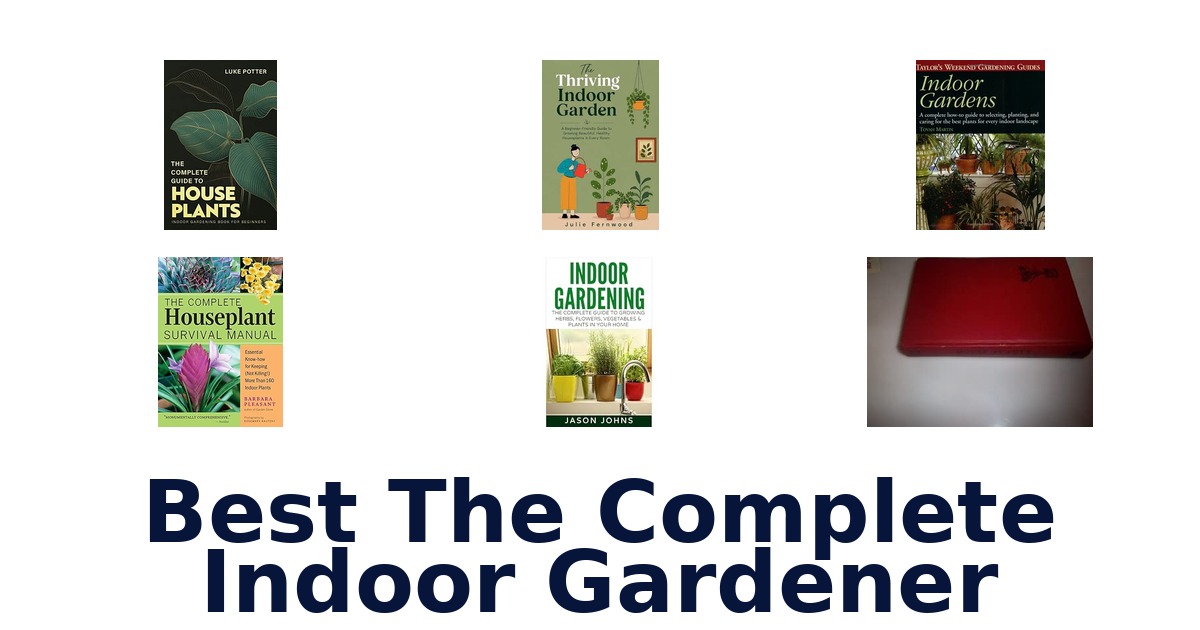
A strong choice for an indoor gardener is a book whose stated subject matches the plants and growing setting you want to learn about. This selection includes broad indoor gardening and houseplant references, beginner-focused guides, and books aimed at particular aspects of growing indoors. The Complete Indoor Gardener is the closest title match, while other options make their scope clearer through subjects such as caring for more than 160 plants, planning indoor landscapes, or growing herbs, vegetables, and fruits at home.
Formats also vary: the list includes hardcover and paperback books as well as Kindle editions. Since detailed contents are not provided for most titles, use the stated subject and format as your primary comparison points, and check the book’s listing for further details before choosing.
The Complete Indoor Gardener is the lead choice because its title most directly matches a search for a complete indoor gardener book, and it is listed as a hardcover. For readers who want a more clearly described houseplant-care scope, Houseplants: Complete Guide is a strong alternative: its title covers choosing, growing, and caring for indoor plants. Those seeking a named plant count can consider The Houseplant Survival Manual, whose title specifies more than 160 indoor plants.
The best fit depends on whether you want a broad indoor-gardening title or a more focused guide.
Our Top Picks
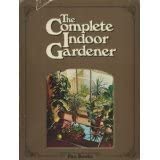 Best Overall
Its title is the closest match to the search, and the hardcover format suits readers seeking a broad indoor-gardening book.
View on Amazon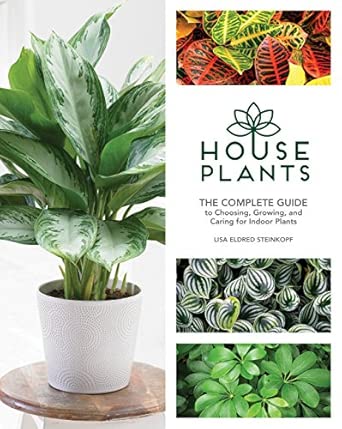 Best Care Scope
The title explicitly covers choosing, growing, and caring for indoor plants, with verified guidance about checking potting-medium moisture.
View on Amazon Most Plants Named
Its title promises know-how for keeping more than 160 indoor plants, making its stated plant coverage notably specific.
View on Amazon- Best Landscape Focus Indoor Gardens Guide
- Best Edible Garden Indoor Gardening for Beginners
Compare the indoor gardening books
| # | Product | Buy |
|---|---|---|
| 1 | 1. The Complete Indoor GardenerBest Overall | View on Amazon |
| 2 | 2. Houseplants: Complete GuideBest Care Scope | View on Amazon |
| 3 | 3. Houseplant Survival ManualMost Plants Named | View on Amazon |
| 4 |  4. Indoor Gardens GuideBest Landscape Focus | View on Amazon |
| 5 |  5. Indoor Gardening for BeginnersBest Edible Garden | View on Amazon |
| 6 |  6. Complete Book of HouseplantsHardcover indoor-garden readers | View on Amazon |
| 7 |  7. The Thriving Indoor GardenRoom-by-room houseplant owners | View on Amazon |
| 8 |  8. Complete Guide to HouseplantsBeginning urban houseplant growers | View on Amazon |
| 9 |  9. Complete Book of House PlantsTraditional indoor-gardening readers | View on Amazon |
| 10 |  10. Herbs and Spices Growing GuideIndoor and outdoor herb growers | View on Amazon |
Detailed Reviews: Best The Complete Indoor Gardener
#1 · Best Overall
1. The Complete Indoor Gardener
Best for: Indoor gardening generalists.
Why it ranks #1: Its title is the closest match to the search, and the hardcover format suits readers seeking a broad indoor-gardening book.
Its title brings the complete indoor gardener into focus, making this hardcover a broad starting point for readers seeking indoor-gardening guidance in one volume. The supplied listing identifies Michael Wright as editor and provides no narrower crop or technique emphasis, so its appeal is the wide subject framing.
The title’s emphasis on the complete indoor gardener suits readers who want a general indoor-gardening reference rather than a book confined to one named plant group. Its hardcover format makes it a physical volume for shelf storage and consultation while planning indoor growing. The listing does not identify particular projects, plant counts, or care methods, so buyers should choose it for the broad indoor-gardening remit, not for a specified technique or crop-specific program.
- Broad indoor-gardening subject framing
- Presented as a complete guide
- Hardcover format for physical reference
- Michael Wright is identified as editor
- The supplied listing gives no specific plant count or named care techniques.
Skip it if you need explicit watering instructions; Lisa Eldred Steinkopf’s Houseplants: The Complete Guide to Choosing, Growing, and Caring for Indoor Plants covers moisture checks.
A reader assembling a broad indoor-gardening bookshelf may value this hardcover’s general remit. It is a better fit for wide-ranging reference than for someone seeking a defined plant list, step-by-step method, or particular growing project.
Listed on Amazon as: The Complete Indoor Gardener
View on Amazon#2 · Best Care Scope
2. Houseplants: Complete Guide
Best for: Houseplant watering learners.
Why it ranks #2: The title explicitly covers choosing, growing, and caring for indoor plants, with verified guidance about checking potting-medium moisture.
Finger-testing potting medium gives this houseplant guide a practical care anchor: readers can check moisture at the first or second knuckle before reaching for the watering can. Lisa Eldred Steinkopf’s hardcover also addresses choosing, growing, and caring for indoor plants, making it relevant beyond watering alone.
The moisture-check method turns watering into an observable decision: if the medium is moist at the first or second knuckle, put the can down. The supplied facts also connect watering needs with light and temperature, helping readers consider a plant’s environment rather than follow a one-size schedule. The title’s choosing, growing, and caring scope supports a broader houseplant workflow, while the hardcover format offers a physical reference for checking care guidance during routine maintenance.
- Explains a finger-based moisture check
- Connects watering needs to light and temperature
- Covers choosing, growing, and caring for houseplants
- Hardcover physical reference
- Its guidance is focused on houseplants rather than edible indoor crops.
Skip it if you want a guide centered on herbs and spices indoors and outdoors; Linda Gray’s Complete Guide to Growing and Cultivating Herbs & Spices is more targeted.
Choose this for hands-on houseplant care, especially if watering decisions are a recurring challenge and you want guidance that considers the plant’s environment. Readers focused mainly on edible herbs or vegetables may prefer a crop-specific guide.
Listed on Amazon as: Houseplants: The Complete Guide to Choosing, Growing, and Caring for Indoor Plants
View on Amazon#3 · Most Plants Named
3. Houseplant Survival Manual
Best for: Readers caring for many plants.
Why it ranks #3: Its title promises know-how for keeping more than 160 indoor plants, making its stated plant coverage notably specific.
Coverage of more than 160 indoor plants is the clearest draw of Barbara Pleasant’s survival manual, giving readers a substantial range of houseplants to consult. Its title emphasizes essential know-how for keeping plants alive, and the paperback format makes it a practical addition to a home-care reference shelf.
The stated coverage of more than 160 indoor plants makes this a useful choice for readers whose collection spans multiple kinds of houseplants. Its survival-manual framing centers essential gardening know-how on keeping plants, which aligns the reference with ongoing care rather than decorating alone. As a paperback, it can sit with other gardening books for consultation; the supplied listing does not name specific plant profiles or techniques, so its verified advantage is breadth of plant coverage.
- Names more than 160 indoor plants
- Focuses on keeping plants alive
- Frames content as essential gardening know-how
- Paperback format
- The supplied facts do not identify particular care techniques or plant profiles.
Skip it if you need explicit moisture-check instructions; Lisa Eldred Steinkopf’s Houseplants: The Complete Guide to Choosing, Growing, and Caring for Indoor Plants provides a finger test.
This paperback suits houseplant owners who want a reference spanning more than 160 indoor plants and a survival-oriented focus. Choose another guide if you need a specifically documented watering method or a narrow edible-gardening plan.
Listed on Amazon as: The Complete Houseplant Survival Manual: Essential Gardening Know-how for Keeping (Not Killing!) More Than 160 Indoor Plants
View on Amazon#4 · Best Landscape Focus
4. Indoor Gardens Guide
Best for: Indoor landscape planners.
Why it ranks #4: This paperback is explicitly a how-to guide to selecting, planting, and caring for plants in indoor landscapes.
Its selecting, planting, and caring sequence makes this guide useful at several stages of shaping an indoor landscape, from choosing plants through tending them. Tovah Martin’s paperback is framed around finding suitable plants for indoor settings, giving room-by-room planners a broader perspective than a single-plant care manual.
The title links selection, planting, and care, so readers planning an indoor landscape can approach the project from choosing plants through maintaining them. Its focus on the best plants for every indoor landscape points toward matching plant choices to indoor settings, rather than concentrating solely on one species. The paperback format suits a portable gardening shelf reference. No particular plant list or room conditions are specified in the supplied facts, so the value lies in the landscape-oriented scope.
- Covers selecting, planting, and caring
- Focuses on indoor landscapes
- Addresses plant choices for indoor settings
- Paperback gardening-guide format
- Its landscape scope is less specifically focused on edible indoor crops.
Skip it if you mainly want indoor herbs, vegetables, and fruit; Jason Johns’s Indoor Gardening For Beginners names those edible growing categories directly.
This paperback fits readers planning plant arrangements across indoor spaces and wanting selection, planting, and care in one guide. Edible-crop growers seeking named herbs, vegetables, or fruit should choose a more directly targeted subject.
Listed on Amazon as: Indoor Gardens: A Complete How-To-Guide to Selecting, Planting, and Caring for the Best Plants for Every Indoor Landscape (Taylor's Weekend Gardening Guides)
View on Amazon#5 · Best Edible Garden
5. Indoor Gardening for Beginners
Best for: Edible indoor growing beginners.
Why it ranks #5: Its beginner-focused title names herbs, flowers, vegetables, and fruits grown in the house, a broad edible-and-flowering scope.
Herbs, flowers, vegetables, and fruits are all named in this beginner guide’s title, giving new growers a wide range of indoor crop types to explore. Jason Johns frames the book around growing them in the house, a clear fit for readers starting edible and ornamental projects indoors.
The title’s range—from herbs and vegetables to flowers and fruits—lets beginners consider several kinds of indoor growing within one guide rather than a single crop category. Its beginner framing speaks to readers starting from the basics, while the explicit in-the-house focus keeps the subject tied to home cultivation. The supplied listing does not specify particular methods, equipment, or crop yields, so buyers can rely on the stated breadth and beginner orientation, not on a promised technique.
- Names herbs, flowers, vegetables, and fruits
- Focuses on growing in the house
- Beginner-oriented framing
- Covers multiple indoor crop categories
- The supplied facts do not specify cultivation methods or equipment.
Skip it if you want detailed houseplant moisture guidance; Lisa Eldred Steinkopf’s Houseplants: The Complete Guide to Choosing, Growing, and Caring for Indoor Plants explains a finger check.
A beginner who wants to explore several edible and ornamental crops inside the home will find the title’s breadth relevant. Readers needing specified equipment, methods, or established houseplant care techniques should seek a more detailed focus.
Full product details
| Brand | Jason Johns (Author), Independently Published (Publisher), Virtual Voice (Narrator) & 0 more Format: |
|---|
Listed on Amazon as: Indoor Gardening For Beginners: The Complete Guide To Growing Herbs, Flowers, Vegetables and Fruits In Your House
View on Amazon#6
6. Complete Book of Houseplants
Best for: Hardcover indoor-garden readers.
Why it ranks #6: The title combines houseplants and indoor gardening, making it relevant to readers wanting a broad reference rather than a narrow specialty.
The Complete Book of Houseplants and Indoor Gardening combines two closely related subjects in a single hardcover title, appealing to readers who want a general reference spanning houseplants and indoor gardening. The listing identifies Rh Value Publishing as author and does not specify a narrower crop or technique.
Because the title names both houseplants and indoor gardening, it offers a broad subject match for readers who maintain decorative plants while exploring indoor growing more generally. The hardcover format suits keeping a physical gardening book available for repeated consultation. The supplied listing gives no plant count, care method, or project details, so its clearest practical fit is as a general reference across the two named topics rather than as a targeted manual for one task.
- Covers houseplants and indoor gardening
- Broad reference scope in the title
- Hardcover format
- Suitable for readers interested in both named subjects
- The supplied facts do not identify specific plant coverage or care methods.
Skip it if you need a stated plant count and survival focus; Barbara Pleasant’s The Complete Houseplant Survival Manual covers more than 160 indoor plants.
This hardcover suits readers looking for a general book covering both houseplants and indoor gardening. It is less suitable when a buyer needs a specified number of plant profiles, a particular care technique, or an edible-crop emphasis.
Listed on Amazon as: The Complete Book of Houseplants and Indoor Gardening
View on Amazon#7
7. The Thriving Indoor Garden
Best for: Room-by-room houseplant owners.
Why it ranks #7: This Kindle guide describes healthy houseplants in every room of the home, a useful stated focus for room-by-room readers.
A guide explicitly covering healthy houseplants in every room gives this Kindle edition a home-wide focus, useful for readers caring for plants across multiple spaces. Julie Fernwood’s title emphasizes both plant health and appearance, positioning the book around maintaining houseplants throughout the home.
The every-room framing makes this guide relevant to readers managing houseplants in more than one part of the home, while the stated goal of healthy, beautiful plants connects care with appearance. Its complete-guide positioning suggests a broad houseplant remit, though the supplied facts do not list specific care instructions or plant varieties. As a Kindle edition, it is an electronic book rather than a physical volume, which suits readers who prefer that format for consulting a home gardening guide.
- Covers houseplants in every room
- Emphasizes healthy and beautiful plants
- Complete-guide framing
- Kindle edition
- The supplied facts do not name specific plant varieties or care techniques.
Skip it if you need a documented moisture test; Lisa Eldred Steinkopf’s Houseplants: The Complete Guide to Choosing, Growing, and Caring for Indoor Plants explains one.
This Kindle guide suits houseplant owners seeking a home-wide perspective that includes plant health and appearance. Readers who need named plant profiles or a specific, verified maintenance technique should compare its broad remit with a more detailed care reference.
Listed on Amazon as: THE THRIVING INDOOR GARDEN: A Complete Guide to Growing Healthy, Beautiful Houseplants in Every Room of Your Home
View on Amazon#8
8. Complete Guide to Houseplants
Best for: Beginning urban houseplant growers.
Why it ranks #8: The Kindle edition is explicitly an indoor-gardening book for beginners, suiting readers who prefer a digital, introductory guide.
Its beginner label and Urban Farmer Series placement give this Kindle book a clear entry point for readers starting indoor houseplant gardening. Luke Potter’s title promises a complete guide to houseplants, making it relevant to new growers seeking a broad introduction rather than a named crop-specific manual.
The beginner framing helps identify the intended reader: someone starting with houseplants and indoor gardening rather than seeking an advanced specialty. Its complete-guide title signals a broad houseplant subject, while the Urban Farmer Series identity situates it within an urban-growing context. The Kindle edition is an electronic format for readers who prefer digital books. The supplied facts do not specify plant counts, care steps, or equipment, so the supported appeal is its introductory scope and houseplant focus.
- Identifies beginners as the audience
- Focuses on houseplants and indoor gardening
- Part of The Urban Farmer Series
- Kindle edition
- The supplied facts do not specify plant counts or practical care steps.
Skip it if you want a stated range of more than 160 plants; Barbara Pleasant’s The Complete Houseplant Survival Manual names that coverage explicitly.
New indoor gardeners seeking a broad digital introduction to houseplants may appreciate its beginner positioning. Experienced growers or readers who need specified plant profiles and maintenance instructions may prefer a guide with those details listed.
Listed on Amazon as: THE COMPLETE GUIDE TO HOUSEPLANTS: Indoor Gardening Book for Beginners (The Urban Farmer Series 5)
View on Amazon#9
9. Complete Book of House Plants
Best for: Traditional indoor-gardening readers.
Why it ranks #9: This hardcover title covers house plants and indoor gardening, though the supplied listing gives less detail about its particular scope.
House plants and indoor gardening appear together in Edwin Steffek’s hardcover title, offering a broad subject match for readers interested in both home plants and indoor cultivation. The supplied listing provides no narrower focus, so its appeal rests on that combined, general gardening remit.
The paired subjects in the title make this a candidate for readers who want a single book spanning house plants and indoor gardening, rather than a guide dedicated only to herbs or one named species. Its hardcover format gives it a physical place on a gardening shelf for later consultation. Because the supplied facts do not list plant varieties, care methods, or projects, buyers should treat it as a general subject reference rather than expect a specified program.
- Names house plants and indoor gardening
- Combines two related gardening subjects
- Hardcover format
- General reference framing
- The supplied listing does not specify plant varieties or care techniques.
Skip it if you want plant coverage explicitly quantified above 160; Barbara Pleasant’s The Complete Houseplant Survival Manual states that range in its title.
This hardcover is suited to readers seeking a general book on house plants alongside indoor gardening. Choose a more specifically documented guide if your decision depends on a plant count, named care technique, or focused indoor edible-growing advice.
Listed on Amazon as: The Complete Book of House Plants and Indoor Gardening
View on Amazon#10
10. Herbs and Spices Growing Guide
Best for: Indoor and outdoor herb growers.
Why it ranks #10: It focuses specifically on cultivating herbs and spices indoors and outdoors, so it is less suited to a broad indoor-gardener search.
Indoor and outdoor planting are both covered by the title, making Linda Gray’s guide a fit for herb and spice growers who move between home and garden cultivation. Its scope also names containers and storage, connecting growing choices with handling the harvest afterward.
The title’s indoor-and-outdoor scope gives growers flexibility to consult one herb-and-spice guide across both settings. Its explicit mention of containers supports readers considering how to plant, while storage extends the subject beyond cultivation to keeping harvested herbs and spices. The paperback format is a physical book for reference during planning. The supplied facts do not name specific herbs, storage methods, or container types, so its confirmed appeal is the combination of settings and topics.
- Covers herbs and spices
- Addresses planting indoors and outdoors
- Names containers as a topic
- Includes storage in its scope
- Its subject is herbs and spices, not general houseplant care.
Skip it if you need guidance across decorative houseplants; Tovah Martin’s Indoor Gardens: A Complete How-To-Guide to Selecting, Planting, and Caring for the Best Plants for Every Indoor Landscape is more focused.
Choose this paperback if you grow herbs and spices indoors or outdoors and want a guide whose stated scope also includes containers and storage. It is not the fit for readers seeking broad decorative houseplant care.
View on AmazonMatch the book’s scope to the plants you grow
A title that says indoor gardening may not cover every kind of indoor growing you have in mind. The selection ranges from The Complete Indoor Gardener, whose title is broad, to Houseplants: Complete Guide and Houseplant Survival Manual, which focus on indoor plants and houseplants. Indoor Gardening for Beginners names herbs, flowers, vegetables, and fruits, while Herbs and Spices Growing Guide narrows its focus to herbs and spices and includes both indoor and outdoor planting.
That difference matters: a houseplant-care reference may not be the best fit if your main goal is growing edible crops, and a specialized herb book may not cover ornamental plants. Before buying, identify your main plant group and check the book’s detailed contents for it.
The title is a useful first filter, but it is not proof that a book covers every technique or plant you need.
Treat watering advice as plant- and setting-dependent
Watering mistakes are a stated risk for houseplants, and the supplied guidance cautions against watering by guesswork. Houseplants: Complete Guide notes that water needs differ by plant and that the surrounding environment—including light and temperature—also matters. It recommends checking the potting medium with a finger: if it is moist at the first or second knuckle, hold off on watering.
It also advises against giving only a small amount out of fear of overwatering. This is a practical reason to consider that title if watering is your main concern, but the excerpt does not provide a schedule that works for every plant.
The other listings do not supply comparable watering instructions, so do not assume their contents offer the same advice. Use a book’s guidance alongside the needs of your particular plant and its growing conditions.
How to Choose an Indoor Gardening Book
Plant coverage
Look for a book whose stated plant coverage matches what you plan to grow. The list ranges from broad indoor-gardening and houseplant titles, including The Complete Indoor Gardener and Complete Book of Houseplants, to a guide promising care know-how for more than 160 indoor plants. Indoor Gardening for Beginners names herbs, flowers, vegetables, and fruits, while Herbs and Spices Growing Guide concentrates on herbs and spices.
If you want an all-purpose starting point, the broad titles are the closer fit based on their names. If you want a defined plant group or an explicitly stated plant count, choose the more specific title.
Check the listing’s contents when a particular plant is essential; titles alone cannot confirm how deeply it is covered.
Growing purpose
Choose according to whether you want ornamental houseplant care, indoor landscape ideas, or edible crops. Houseplants: Complete Guide is explicitly about choosing, growing, and caring for indoor plants; Indoor Gardens Guide describes selecting, planting, and caring for plants for indoor landscapes. For edible growing, Indoor Gardening for Beginners names herbs, flowers, vegetables, and fruits grown in the house, and Herbs and Spices Growing Guide covers herbs and spices indoors and outdoors.
The broad houseplant titles suit readers focused on greenery around the home, while the edible-garden titles are a better match for cooks or growers prioritizing harvests. If you want both ornamentals and food crops, verify the table of contents rather than assuming one book covers both equally.
Reading format
Pick a format that fits how you prefer to read and refer back to gardening instructions. The supplied listings identify hardcover editions, including The Complete Indoor Gardener and Houseplants: Complete Guide; paperback editions, including Houseplant Survival Manual and Indoor Gardens Guide; and Kindle editions, including The Thriving Indoor Garden and Complete Guide to Houseplants. Format does not establish how detailed a book is or whether it includes particular illustrations, so do not treat it as a substitute for checking the contents.
A physical edition may suit readers who want a paper book beside their plants, while a Kindle edition suits readers who prefer digital reading. If format matters, confirm the edition shown on the product listing because the titles and editions can be presented separately.
Which indoor gardening book should you choose?
Choose The Complete Indoor Gardener if you want the closest title match to a broad indoor-gardening search. For explicit advice on choosing, growing, and caring for indoor plants, Houseplants: Complete Guide is the stronger match; its supplied guidance also addresses checking potting-medium moisture. Pick Houseplant Survival Manual if the stated coverage of more than 160 indoor plants is your deciding point.
Indoor Gardens Guide suits readers focused on indoor landscape selection and planting, while Indoor Gardening for Beginners names herbs, flowers, vegetables, and fruits for home growing. For a narrow herb-and-spice focus, choose Herbs and Spices Growing Guide.
The remaining houseplant titles offer broad or room-focused stated subjects, but their supplied listings provide fewer details to distinguish their contents. Check the full listing before relying on a specific technique or plant being covered.
Frequently Asked Questions
How can I tell whether a houseplant needs water?
Check the potting medium before watering: the Houseplants: Complete Guide listing specifically addresses checking its moisture. A dry surface alone may not tell the whole story, so assess the medium rather than relying only on a schedule. Plant type and growing conditions vary, so avoid treating one watering interval as right for every houseplant.
Which indoor plants are easiest for a beginner to care for?
Choose plants whose care needs you can meet consistently, and use a beginner-focused guide to help narrow the options. The supplied titles include a beginner’s guide covering herbs, flowers, vegetables, and fruits, as well as a beginner houseplant guide. Match your choice to the kinds of plants you want to grow at home.
How much light do indoor herbs and houseplants need?
Light needs vary by plant, so there is no single amount that suits every herb and houseplant. Identify the plants you want to grow, then match them to the light available in your home and follow guidance specific to those plants. The supplied listings do not give particular light levels or requirements.
Which book is best for learning about many different indoor plants?
The Complete Houseplant Survival Manual is the clearest match if a stated plant count matters: its title specifies more than 160 indoor plants. For a broader indoor-gardening focus, The Complete Indoor Gardener is the lead choice. Consider whether you prefer explicit coverage of many plants or a title that more directly matches broad indoor gardening.
Which guide should I choose for growing herbs indoors?
For a narrow herb-and-spice focus, choose Complete Guide to Growing and Cultivating Herbs & Spices, whose title covers planting indoors and outdoors. If you want herbs alongside other home-grown crops, Indoor Gardening for Beginners names herbs, flowers, vegetables, and fruits. Pick the title whose stated scope best matches what you plan to grow.
Final Words
For the closest match to a broad indoor-gardening search, choose The Complete Indoor Gardener, listed as a hardcover. If you want explicit coverage of choosing, growing, and caring for indoor plants, Houseplants: Complete Guide is the stronger fit and its supplied guidance addresses checking potting-medium moisture. Choose The Houseplant Survival Manual if its stated coverage of more than 160 plants is decisive.
For indoor landscapes or herbs, select the title focused on that subject.