
A Saturday afternoon of touching up the living room can turn into a laundry emergency in seconds. One minute you’re reaching for the paint roller, and the next you’ve got a streak of paint across your favorite jeans. Before throwing them in the washing machine, figure out what kind of paint you spilled.
To remove fresh water-based paint from washable clothes, lift off excess paint, flush the stain from the back with lukewarm water, work in liquid laundry detergent, rinse and wash according to the care label. For dried latex or acrylic paint, gently lift loose flakes and consider a small, tested amount of rubbing alcohol. Oil-based paint and delicate garments often need professional assessment. Keep the garment away from dryer heat until the stain and any flammable residue are gone.
Identify the paint before treating the stain
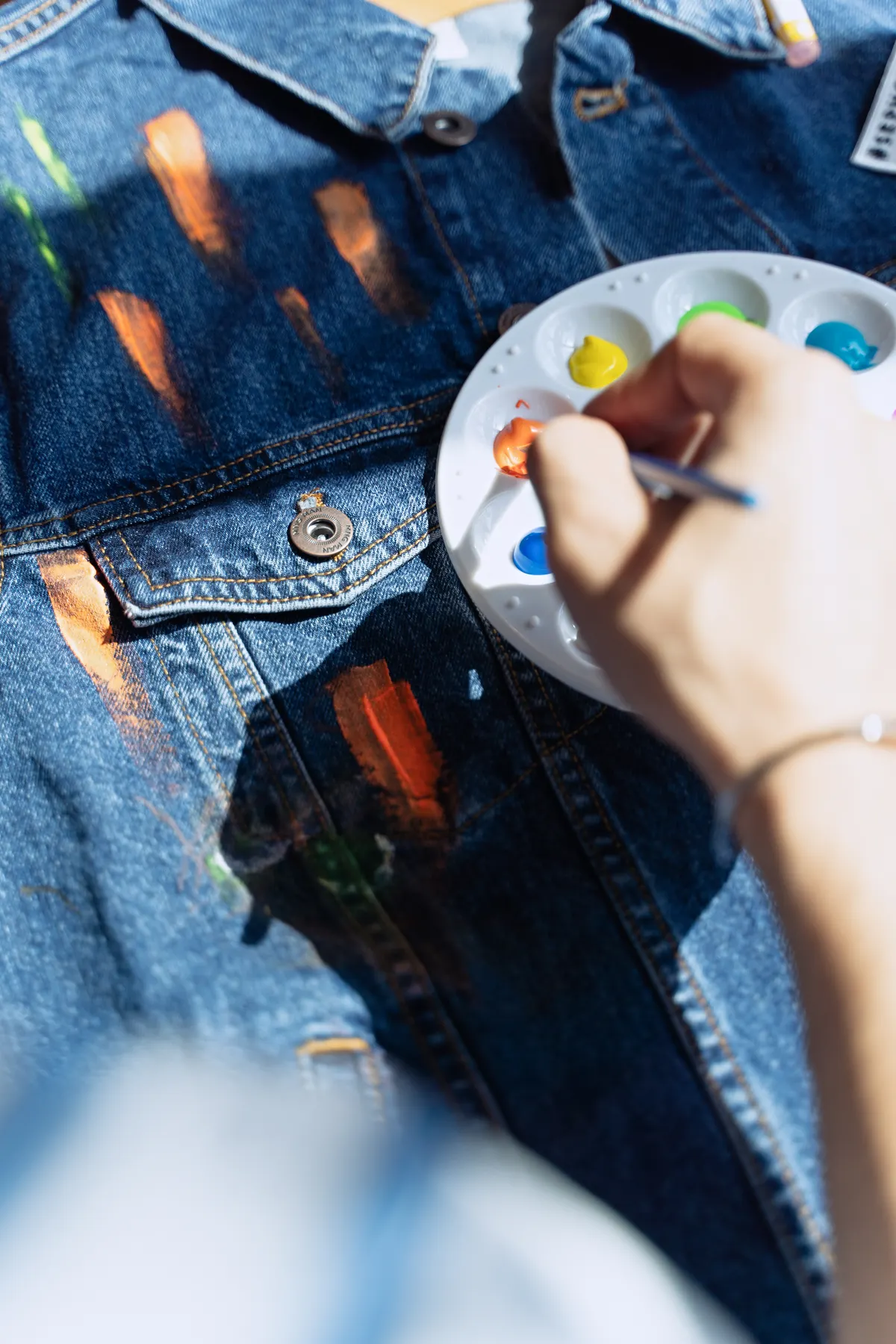
Check two labels: the paint container and the garment’s care instructions. Most interior wall paints sold in the United States are water-based latex or acrylic, but some primers, enamels and artist paints use oil or other solvents. The cleanup directions on the paint can are often a useful clue. If they say soap and water, start with a water-based method on washable fabric. If the paint calls for solvent cleanup, do not assume that the recommended solvent is safe for your shirt.
| Paint type | Best first response | What to avoid |
|---|---|---|
| Fresh latex or acrylic | Lift excess; reverse rinse; detergent | Hot dryer, hard scrubbing |
| Dried latex or acrylic | Gently lift flakes; test a suitable treatment | Forceful scraping, untested solvents |
| Washable craft paint | Rinse and launder as directed | Allowing paint to dry |
| Oil-based paint or unknown coating | Blot excess and consult cleaner | Home solvent mixtures and machine drying |
The University of Georgia Extension paint-stain guidance distinguishes water-based and oil-based paint treatments. The American Cleaning Institute stain removal guide likewise recommends matching the stain treatment to the fabric and care label.
How to get fresh latex or acrylic paint out of clothes

Step 1: Lift the excess paint
Use a spoon or the edge of an old plastic card to lift the wet paint without pushing it deeper into the fibers. Blot with a white cloth. Change the cloth as it picks up color. Do not rub the fabric against itself.
Step 2: Flush the stain from behind
For washable, colorfast clothing, hold the reverse side of the affected area under cool to lukewarm running water. Let water push the paint back out along the path it entered. Avoid getting surrounding clean areas covered with the runoff.
Step 3: Pretreat with liquid laundry detergent
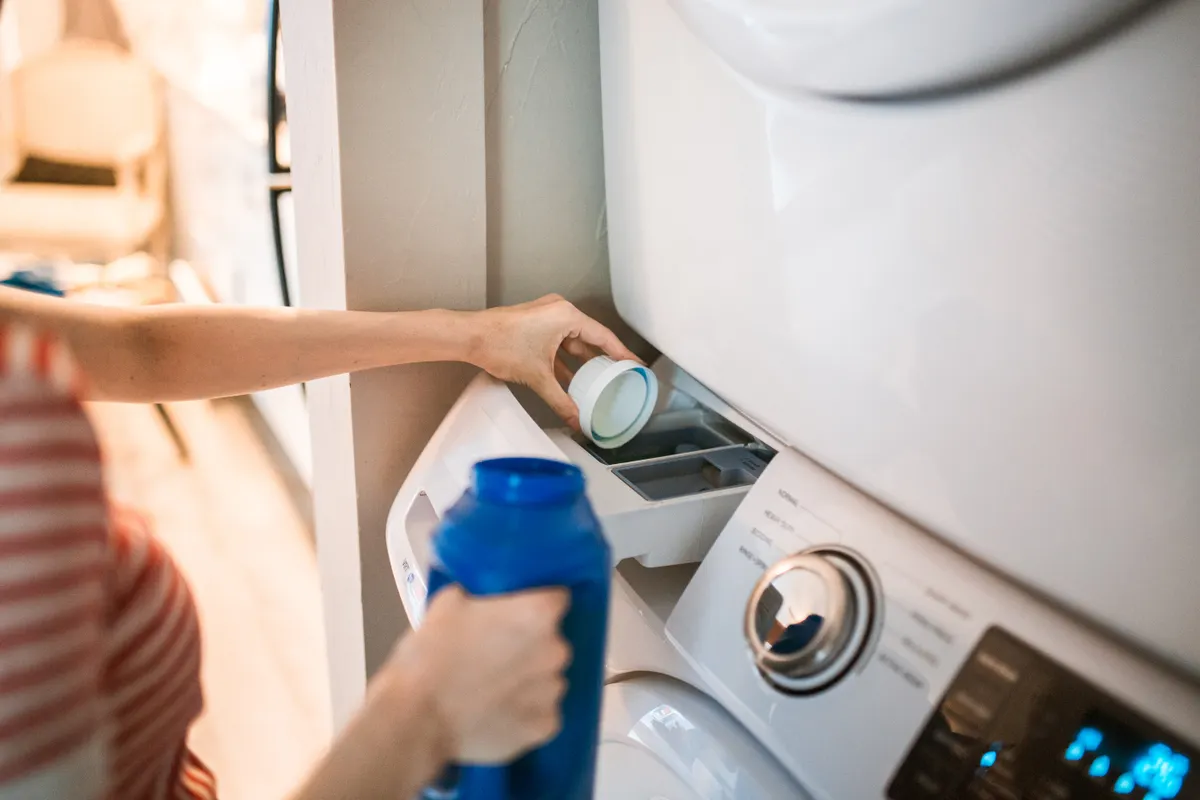
Work a small amount of liquid detergent into the damp mark using your fingers or a soft cloth. Let it work for the time specified on the product label. Rinse thoroughly and repeat if you see the paint lifting. Avoid letting concentrated detergent dry on the fabric.
Step 4: Wash and inspect
Launder the garment using the care-label cycle and water temperature. Look closely at the stain before the garment goes into a dryer. If pigment remains, air-dry and reassess. A second gentle treatment may be more productive than a single aggressive attempt.
For a manufacturer’s explanation of this approach, see Whirlpool’s paint stain guide.
How to remove dried paint from clothes
Dried acrylic and latex paint can form a film around fabric fibers. At this point, it is harder to remove the paint without changing the surface texture. Start with a clean, dry garment and gently lift only loose raised flakes using a blunt plastic edge. Never cut or pull at threads.
On sturdy, washable, colorfast cotton or denim, a small amount of isopropyl alcohol may soften some water-based paint. Test an inside seam first. If dye transfers to a white cloth or the fabric changes texture, stop. Use the product as directed, in a ventilated space away from heat or flames. Blot the softened paint rather than saturating the whole garment, and rinse and launder only after the product’s safe-use instructions have been satisfied.
Do not use alcohol or acetone on delicate clothing, prints, coated fabrics, acetate, or items with uncertain fiber content without professional advice. Acetone can dissolve acetate and damage some trims and finishes. A patch test reduces risk but does not guarantee that a large treatment will be safe.
How to handle oil-based paint on fabric
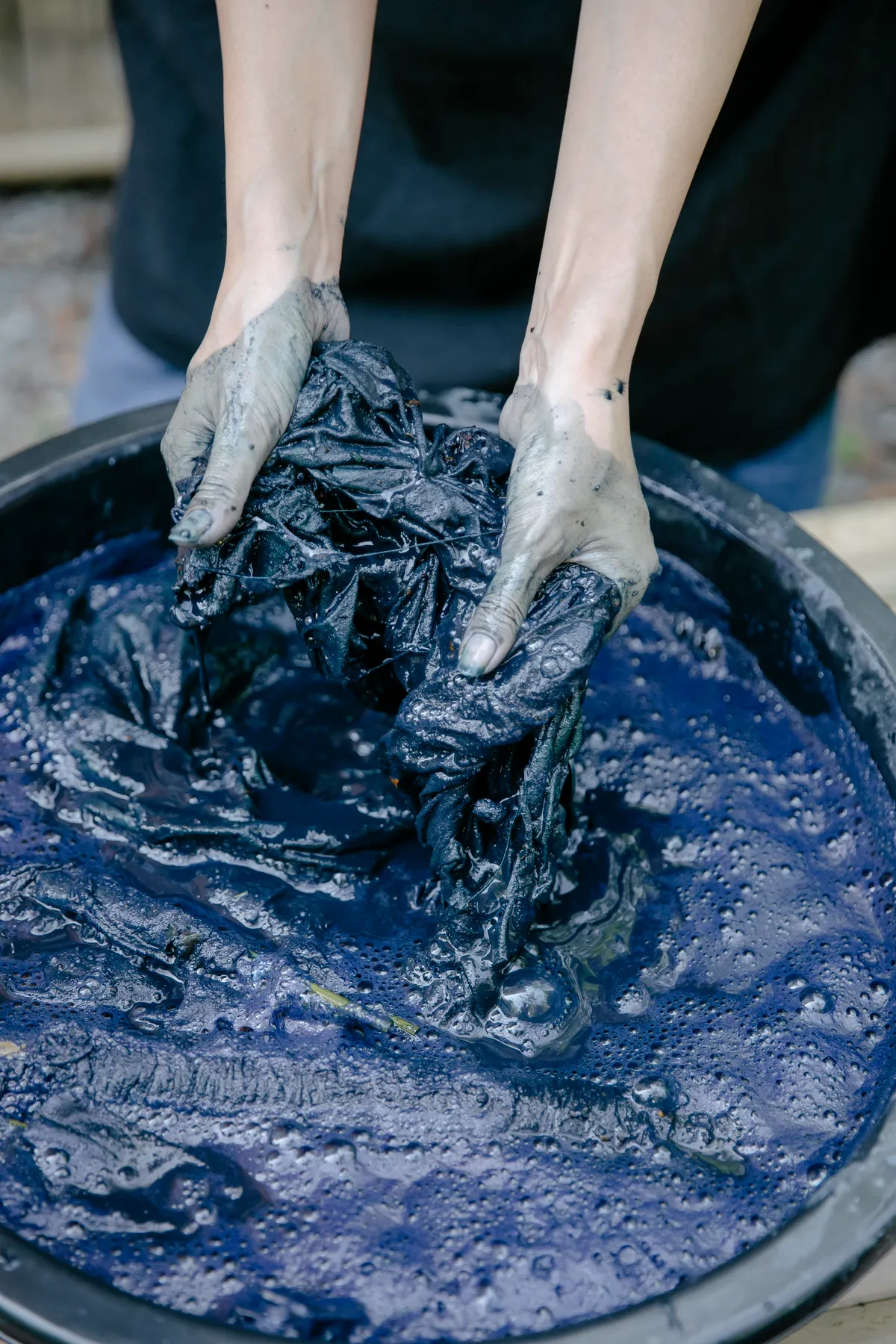
Oil-based paint requires different chemistry from water-based paint. Remove excess material without spreading it. If your garment has heavy oil-based paint or solvent contamination, do not place it in a home washer or dryer. Flammable paint and cleaning residues can create a fire hazard. Follow product safety instructions and local disposal guidance; call the cleaner before transporting a heavily contaminated item.
For a small stain on an expensive garment, tell the cleaner the exact paint brand and type, if known. Bring a photo of the label rather than an open paint container. Even professional stain removal has limits once paint cures or penetrates the textile.
What people who work with paint have learned
In a Sherwin-Williams Reddit discussion, participants discussing paint on work pants described better results when they treated water-based paint promptly. One also warned that some cleaning wipes removed clothing dye, especially from jeans. A California-related comment illustrates why locally available products can vary. In another CleaningTips discussion, a person reported that dried latex paint on a favorite cardigan remained after several washing and scrubbing attempts.
These are public, self-reported experiences rather than verified professional tests or Bob’s customer reviews. Individual locations are not confirmed for every commenter. The practical lesson is to act early, use the least aggressive fabric-safe option, and stop before the treatment does more damage than the paint.
Common mistakes that make paint stains worse
Do not put stained clothing into a hot dryer, aggressively scrub a knit, mix cleaning products, or use a paint thinner simply because it works on a paintbrush. Avoid ironing directly over the mark. On dark denim, monitor dye loss; on printed T-shirts, avoid treating the print itself. On silk, wool, rayon and dry-clean-only garments, consult a professional before wetting or treating the stain.
Our fabric-safe stain removal guide and old stain removal guide explain when to change treatments and when to stop.
Frequently asked questions
Does vinegar remove dried paint from clothes?
Vinegar is not a reliable universal paint remover. Start with the paint type and care label rather than soaking a valuable garment in an untested household mixture.
Can you remove paint from clothes after washing and drying?
Sometimes, but heat exposure and curing can make removal difficult or impossible. Gently lift loose residue and ask a professional about suitable treatment if the garment matters to you.
Will rubbing alcohol remove acrylic paint?
It can soften some acrylic and latex paint films. It may also disturb dyes, coatings and certain fibers. Test first and stop if the garment changes.
Can dry cleaning remove paint stains?
A cleaner may be able to reduce or remove some paint stains after inspecting the garment and paint type. Cured paint, fabric damage and altered dyes can limit the result; no method can guarantee complete removal.
Need help with a paint-stained garment in Sarasota?
If a favorite outfit is stained with paint, call Bob’s Laundry & Dry Cleaning at (941) 925-3875 before visiting 6503 Superior Ave, Sarasota, FL 34231. Explain the paint type, care label and prior treatment. Our dry cleaning services page explains item assessment. Acceptance and results depend on the actual garment.