How Should a Dress Shirt Fit? The Six-Point Test
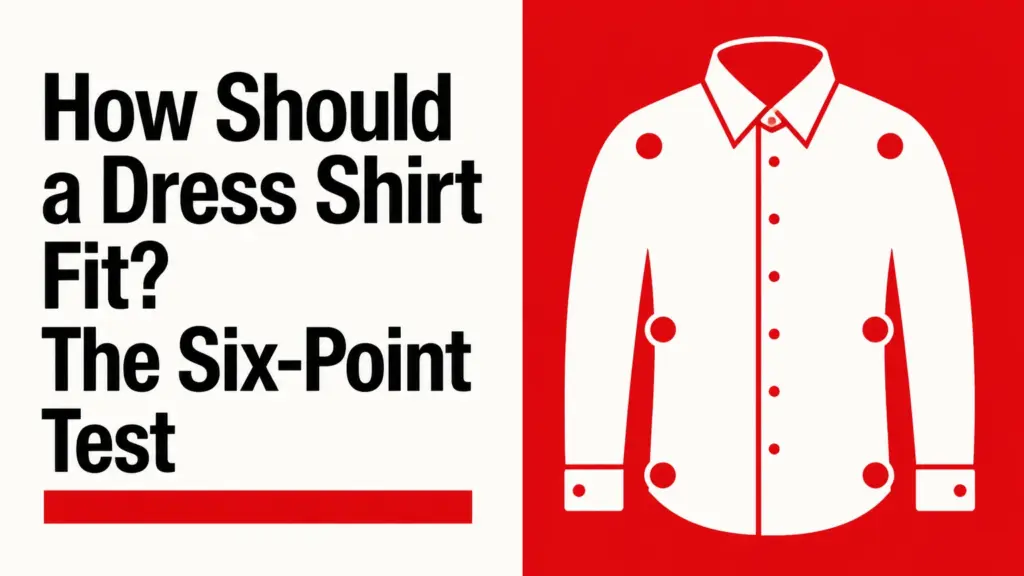
A dress shirt should follow the body at the collar, shoulders, chest, waist, sleeves, cuffs, and hem without pulling, billowing, or restricting movement. The collar should allow two fingers, the shoulder seam should meet the shoulder bone, the cuffs should reach the wrist, and the tucked hem should stay secure while sitting and reaching. Key […]
How Should Dress Pants Fit? A Tailor’s 10-Point Test

Dress pants should sit securely at the intended waist, follow the seat and thighs without pulling, and fall in a clean line to the shoe. The waistband should stay up without a belt, the rise should allow sitting and walking, and the hem should create a deliberate break rather than pooling or exposing the ankle […]
How Should a Suit Fit? A 12-Point Buying Checklist

A suit should fit close to the body without restricting breathing, reaching, sitting, or normal arm movement. The shoulders should lie flat, the collar should meet the shirt without a gap, the fastened jacket should close without an X-shaped pull, sleeves should reveal about 0.25-0.5 inches of shirt cuff, and trousers should stay up without […]
Can a Wedding Dress Be Altered? Costs and Limits

Almost every wedding dress can be altered, but not every gown can be enlarged, reshaped, or redesigned safely. A bridal seamstress can usually adjust the fit, hem, straps, support, train, and closure, while the dress’s seam allowance, fabric, lining, boning, lace, beadwork, and original construction determine the practical limits. Key Facts at a Glance What […]
Can a Suit Be Altered? Costs, Limits, and Fit Fixes
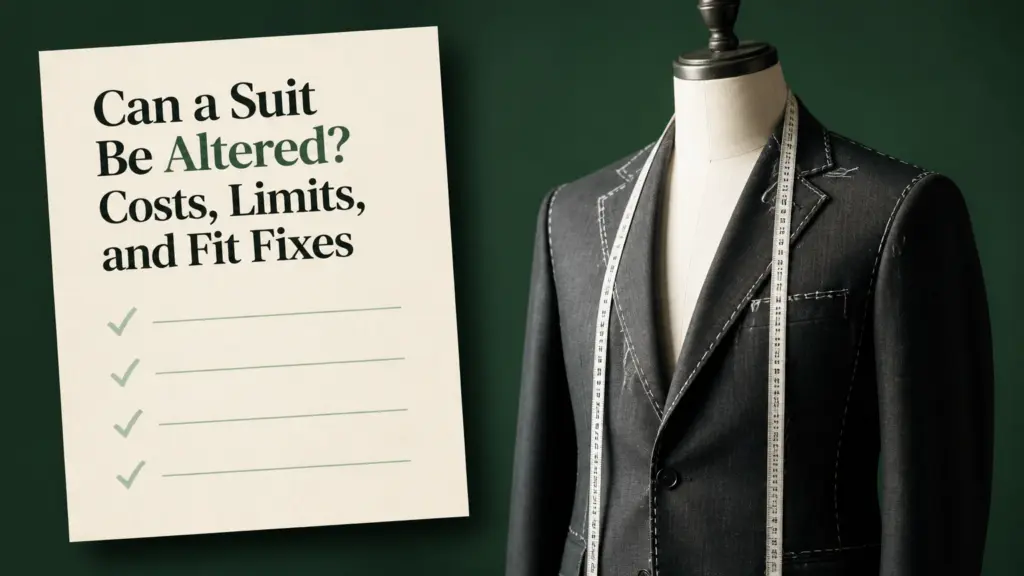
A suit can absolutely be altered by a skilled tailor, provided the shoulders, fabric condition, and internal seam allowances are suitable. Most suits can be made smaller more easily than larger, with trouser hems, waistlines, jacket waists, sleeves, and leg widths offering the safest adjustments. What Does Suit Alteration Mean? Suit alteration is the modification […]
Can a Tailor Repair Ripped Clothes? A Practical Repair Guide
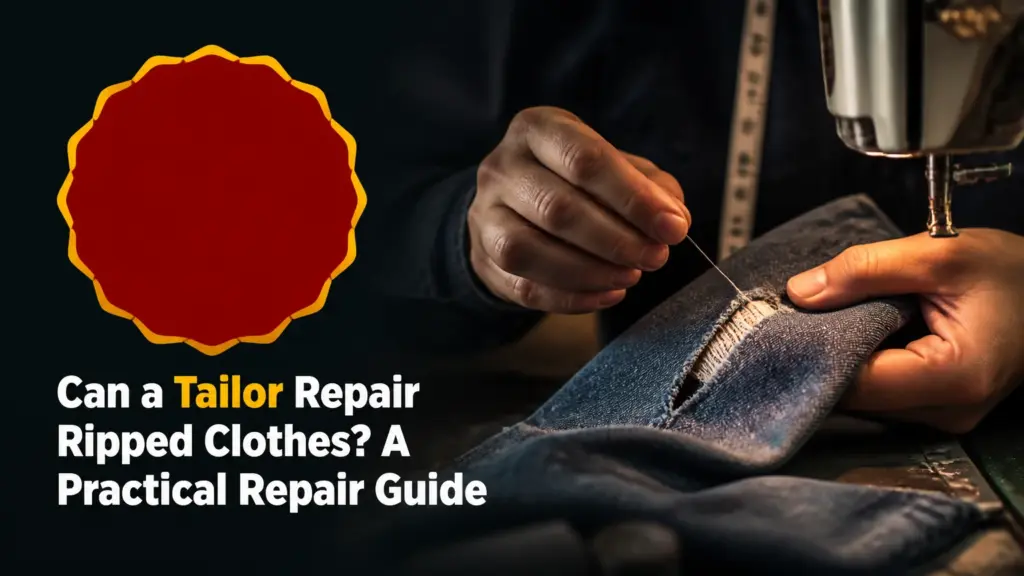
Yes, a tailor can repair most ripped clothes, including split seams, torn trousers, damaged jeans, coat tears, holes, and some knitwear. The correct method depends on whether the garment fabric is intact, how much material is missing, the fabric’s stretch and age, and whether the repair must be invisible or simply durable. Key Facts at […]
Can Jeans Be Altered? Costs, Limits, and Best Methods

Yes, jeans can be altered, and a tailor can usually shorten the inseam, taper the legs, adjust the waist or seat, repair the crotch, and refine the fit. Denim alterations are more specialized than ordinary trouser alterations because heavy fabric, rivets, felled seams, fading, and contrasting topstitching must be preserved or rebuilt correctly. Key Facts […]
Can a Tailor Fix a Zipper? Costs and Repair Limits
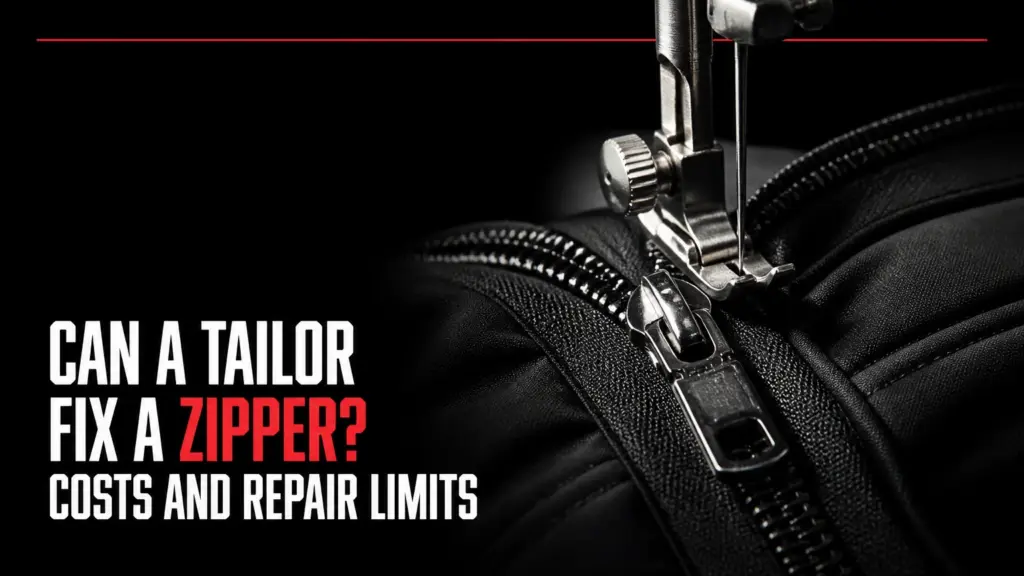
Yes, a tailor can fix most garment zippers, either by replacing the slider or by sewing in a complete replacement zipper. A slider-only repair is usually possible when the teeth and fabric tape remain intact; missing teeth, torn tape, or a broken separating box usually require full replacement. Can a tailor fix a zipper on […]
Can a Tailor Shorten Sleeves? Costs, Methods, Limits
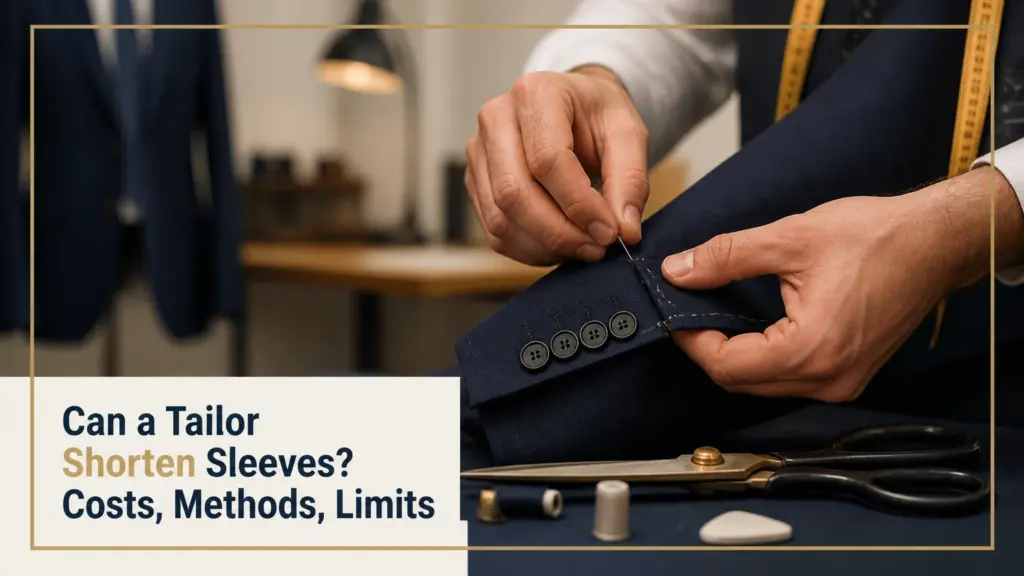
Yes, a tailor can shorten sleeves on most shirts, suit jackets, coats, denim garments, and some sweaters. The tailor chooses the alteration point based on cuffs, buttonholes, plackets, lining, fabric, and the amount to remove. Simple cuff alterations often cost $20-$60, while complex jacket work from the shoulder can cost $100-$200 or more. Can a […]
Can a Tailor Make a Jacket Smaller? Fit Limits and Costs

A tailor can make a jacket smaller by taking in seams, shortening selected sections, or rebuilding structural areas. Most tailored jackets can be reduced comfortably by about one size, and many can manage two sizes when the shoulders, armholes, pockets, and button stance remain proportionate. Larger reductions require careful assessment and may not be economical. […]