What Alterations Can a Tailor Make? A Practical Guide
A tailor can alter garment length, width, sleeves, waistbands, hems, darts, closures, linings, and selected structural features. A tailor can usually make a garment smaller more easily than larger, but the result depends on seam allowance, fabric, lining, pocket placement, and the garment’s original construction. Key Facts at a Glance What Alterations Can a Tailor […]
Tailor vs Alterations: Choose the Right Fit Service
A tailor creates or structurally rebuilds garments, while alterations modify finished clothing to improve fit. Choose alterations for hems, waist adjustments, sleeve length, and moderate tapering; choose custom tailoring for a garment built around your measurements or a major architectural change that ready-to-wear clothing cannot support. Key Facts at a Glance What Is the Difference […]
How to Measure Yourself for Alterations: Accurate Fit
To measure yourself for alterations, wear the undergarments and shoes intended for the garment, stand naturally, and record snug circumference and straight length measurements with a flexible tape. A partner should take structured-garment measurements, because posture, tape angle, and hard-to-reach points can change the result enough to affect fit. How Body Measurements Work for Alterations […]
How to Measure Pants for Hemming: Get the Break Right
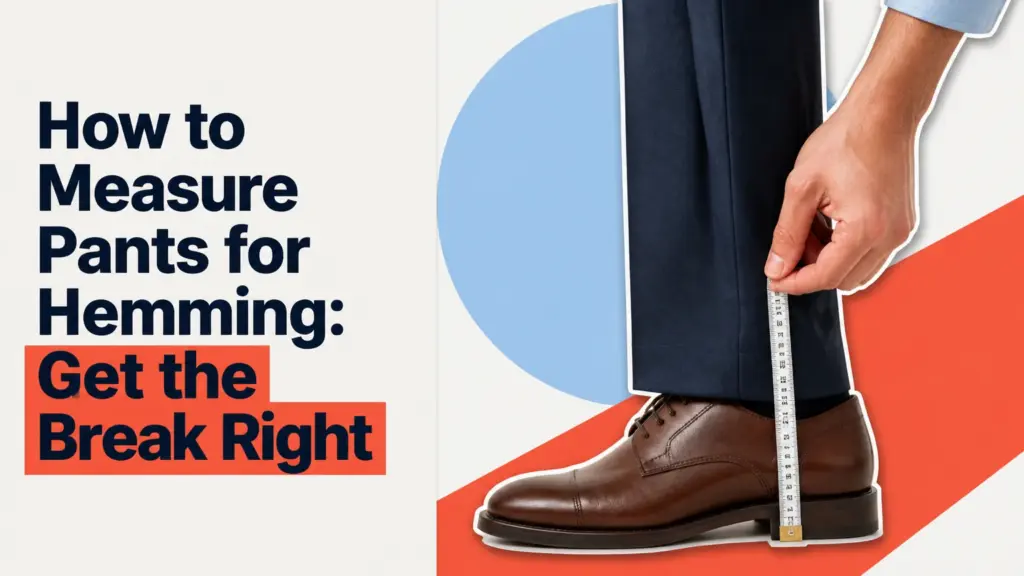
To measure pants for hemming, wear the pants with the shoes and belt you normally use, stand in a relaxed upright posture, fold each leg to the desired break, pin the fold, then measure from the crotch seam to the pinned edge. Record the left and right inseams separately, because legs, posture, and existing construction […]
How Should Jeans Fit: The Waist, Rise, and Hem Guide
Jeans should sit securely at the intended waist position, follow the seat and thighs without pulling, allow normal movement, and finish at a deliberate hem length for the shoes you wear. The correct fit stays up without a belt, creates no damaging stress lines, and gives the leg enough room for its chosen silhouette. Key […]
How Should a Dress Shirt Fit? The Six-Point Test
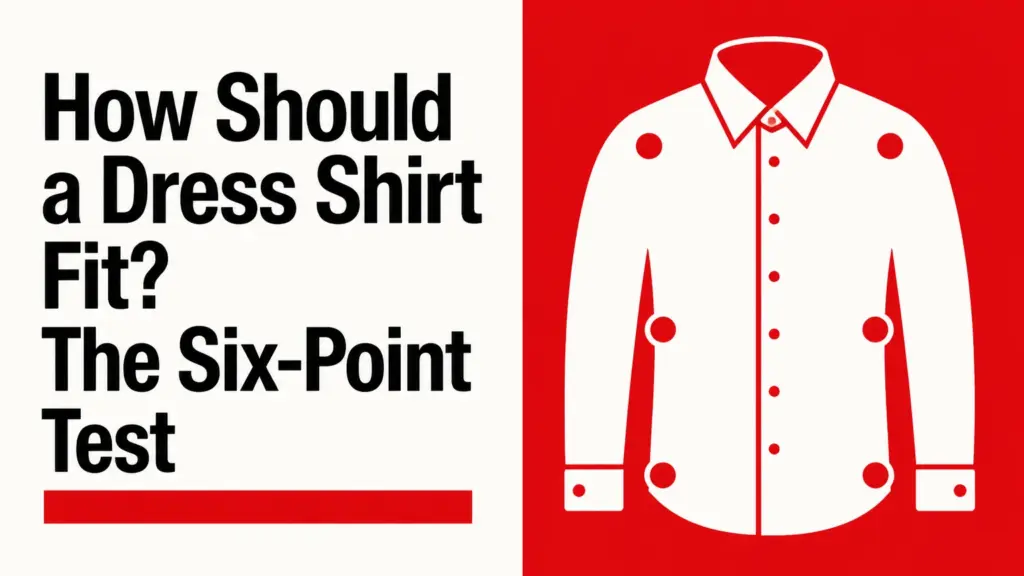
A dress shirt should follow the body at the collar, shoulders, chest, waist, sleeves, cuffs, and hem without pulling, billowing, or restricting movement. The collar should allow two fingers, the shoulder seam should meet the shoulder bone, the cuffs should reach the wrist, and the tucked hem should stay secure while sitting and reaching. Key […]
How Should Dress Pants Fit? A Tailor’s 10-Point Test
Dress pants should sit securely at the intended waist, follow the seat and thighs without pulling, and fall in a clean line to the shoe. The waistband should stay up without a belt, the rise should allow sitting and walking, and the hem should create a deliberate break rather than pooling or exposing the ankle […]
How Should a Suit Fit? A 12-Point Buying Checklist

A suit should fit close to the body without restricting breathing, reaching, sitting, or normal arm movement. The shoulders should lie flat, the collar should meet the shirt without a gap, the fastened jacket should close without an X-shaped pull, sleeves should reveal about 0.25-0.5 inches of shirt cuff, and trousers should stay up without […]
Can a Wedding Dress Be Altered? Costs and Limits

Almost every wedding dress can be altered, but not every gown can be enlarged, reshaped, or redesigned safely. A bridal seamstress can usually adjust the fit, hem, straps, support, train, and closure, while the dress’s seam allowance, fabric, lining, boning, lace, beadwork, and original construction determine the practical limits. Key Facts at a Glance What […]
Can a Suit Be Altered? Costs, Limits, and Fit Fixes
A suit can absolutely be altered by a skilled tailor, provided the shoulders, fabric condition, and internal seam allowances are suitable. Most suits can be made smaller more easily than larger, with trouser hems, waistlines, jacket waists, sleeves, and leg widths offering the safest adjustments. What Does Suit Alteration Mean? Suit alteration is the modification […]