What Clothes Should Be Dry Cleaned? A Fabric Guide
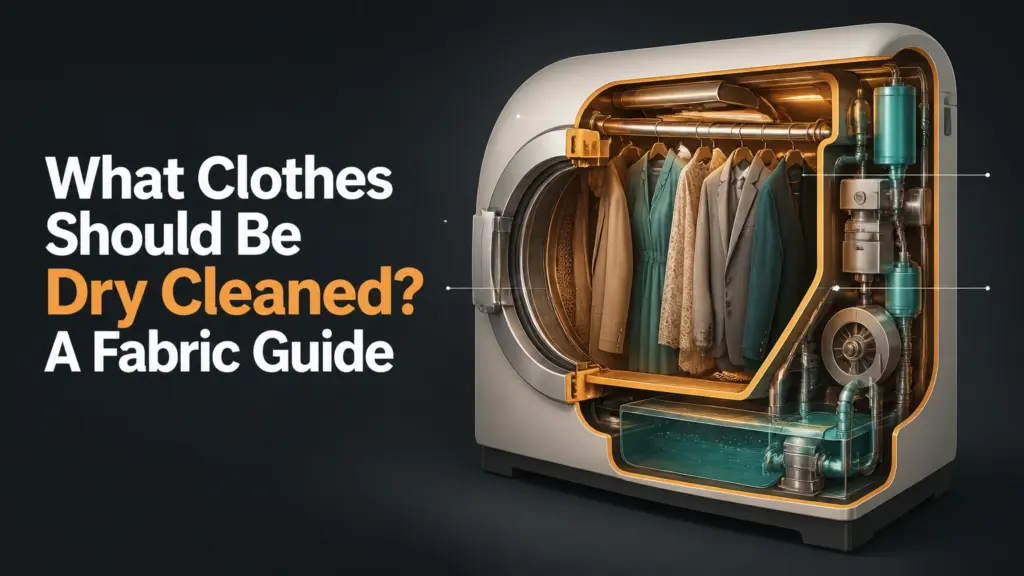
Clothes that should be dry cleaned include garments labeled “Dry Clean Only,” tailored suits, structured jackets, silk dresses, wool coats, embellished formalwear, leather, suede, velvet, and fabrics prone to shrinking or distortion in water. A “Dry Clean” label is a recommendation rather than an absolute prohibition, but construction, dye stability, and fiber content determine whether […]
How to Clean a Velvet Couch at Home: Safe 6-Step Method
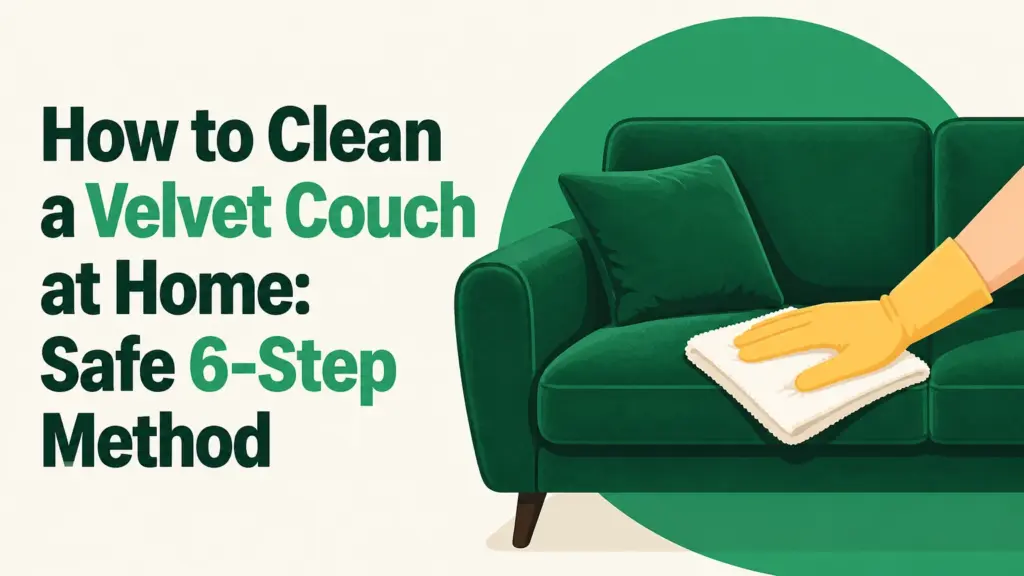
To clean a velvet couch, identify its upholstery care code, vacuum with the nap, spot-treat using the permitted cleaner, and dry the fabric quickly without saturation. A six-step process typically takes 30-60 minutes of active work plus 4-12 hours of drying, and the care label determines whether water, solvent, or no liquid is allowed. Key […]
What Does Permanent Press Mean for Laundry?
Permanent press describes wrinkle-resistant clothing and a laundry cycle designed to reduce wrinkles. On clothing, the term usually means fabric treated or constructed to hold its shape; on a washer or dryer, it means a gentler warm process with reduced agitation or spin and, often, a cool-down period. Key Facts at a Glance What Does […]
How to Remove Water Stains From Couch: A Safe Guide
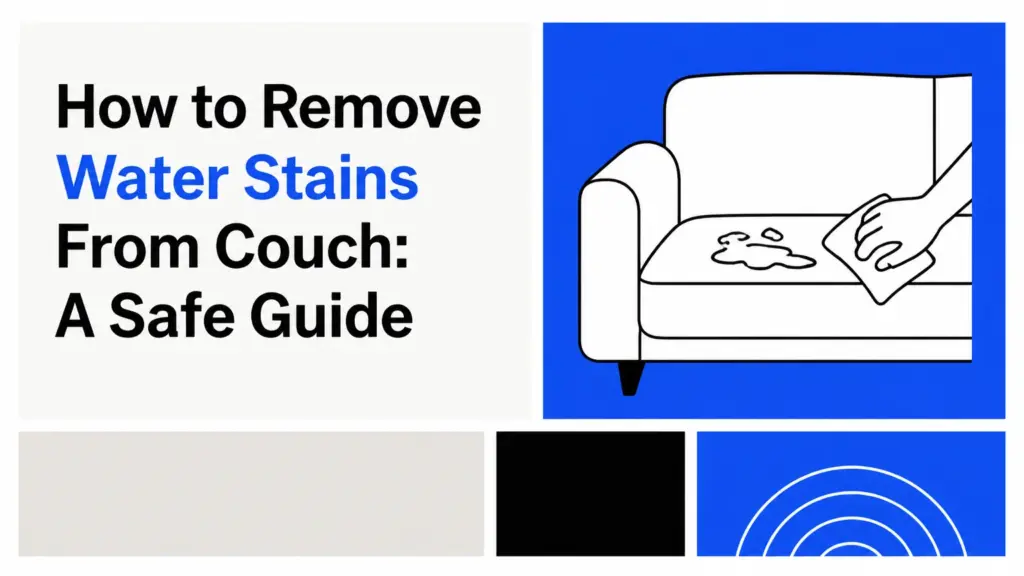
To remove water stains from a couch, first identify the upholstery cleaning code, then use a compatible low-moisture cleaner, blot rather than scrub, and dry the fabric quickly with moving air. W-code fabric usually tolerates a diluted water-based solution, while S, X, velvet, wool, and silk often require solvent or professional cleaning. Key facts at […]
How to Prepare Clothes for the Cleaner
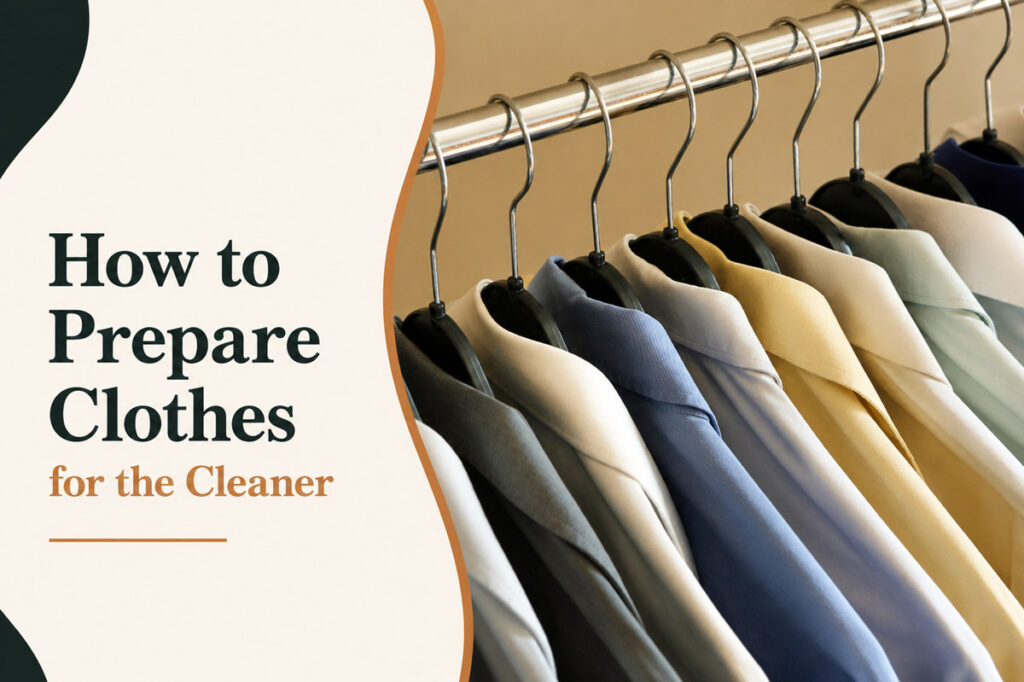
Check jacket, trouser, dress, shirt, coat, and interior pockets. Remove receipts, pens, cosmetics, food, tissues, keys, coins, earbuds, and personal documents. Turn pockets out when the construction allows, then return them to their normal position. A pen or cosmetic left inside can damage more than one item. Identify stains instead of hiding them Point out […]
How to Get Smell Out of Couch: 5 Steps That Work Safely

To get smell out of a couch, remove the odor source, match the treatment to the upholstery code, and dry the fabric and foam completely. Vacuum first, use baking soda only for light surface odors, use an enzyme cleaner for urine or food proteins, and avoid saturating cushions because trapped moisture can create a worse […]
What Does Tumble Dry Mean? Symbols, Settings, and Shrinkage
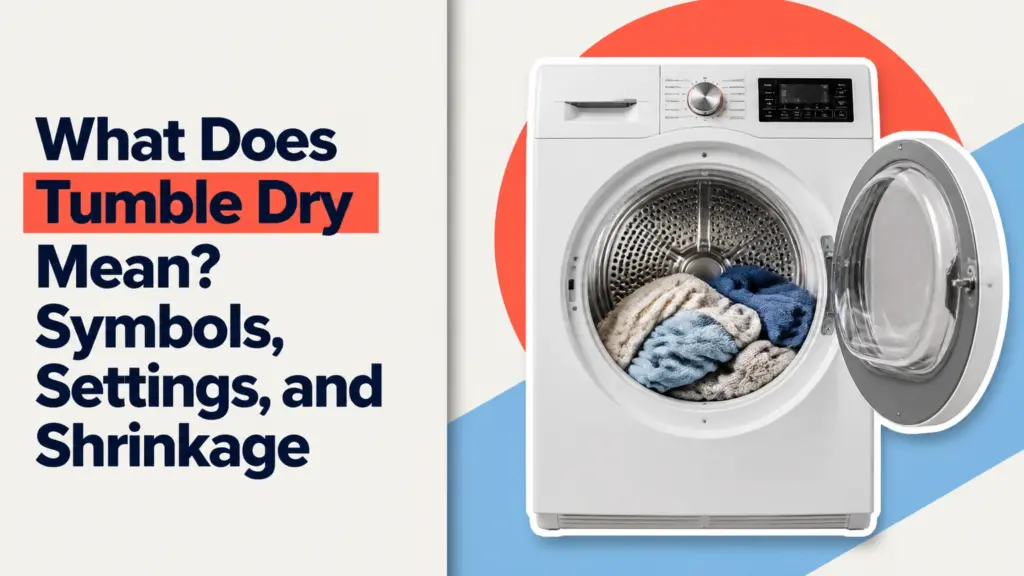
Tumble dry means placing a washable textile in a machine dryer that rotates the fabric in a drum while heated or unheated air removes moisture. On a clothing-care label, the instruction usually appears as a circle inside a square. An X through that symbol means the garment should not be tumble dried. Key Facts at […]
How to Clean a Microfiber Couch Without Water Rings

To clean a microfiber couch safely, first read its upholstery care code, vacuum away dry debris, then use only the approved water-based or solvent-based method in small sections. Blot rather than soak, test every cleaner on a hidden area, dry the fabric with airflow, and brush the nap after it is completely dry. Key Facts […]
What Does Do Not Tumble Dry Mean? Safe Drying Guide
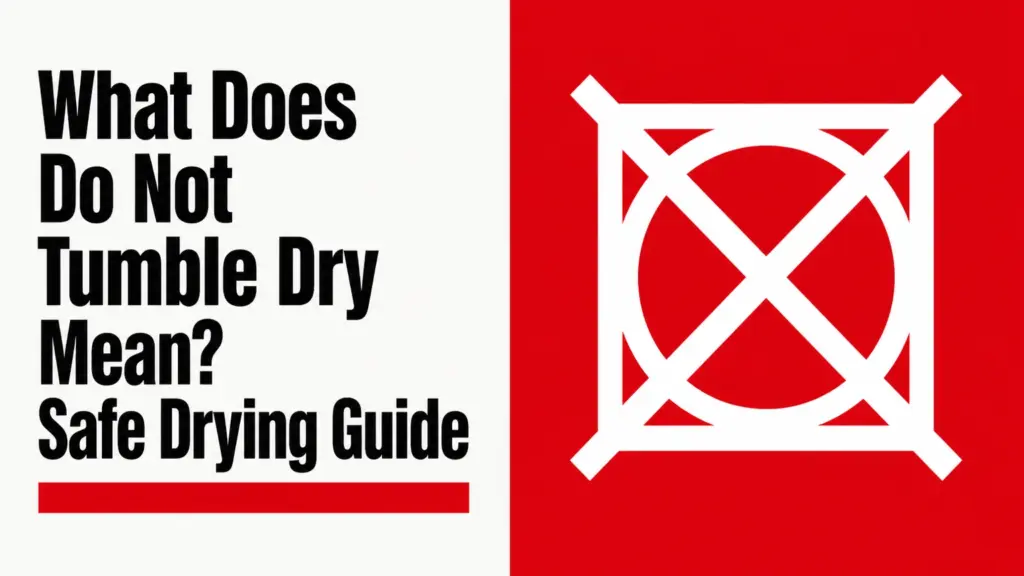
“Do not tumble dry” means a garment must not go into a rotating clothes dryer, including regular, timed, low-heat, and high-heat cycles. The instruction warns that tumbling, heat, and forced airflow may shrink, stretch, abrade, melt, distort, or weaken the item. Use the garment’s approved air-drying method instead. Key Facts at a Glance What Does […]
Is Professional Upholstery Cleaning Worth It? Costs, Risks

Professional upholstery cleaning is worth the cost when furniture has embedded soil, pet contamination, difficult stains, delicate fabric, or enough replacement value to justify specialist care. DIY cleaning is usually sufficient for routine vacuuming and small surface spills on durable, water-safe synthetic fabric, provided you control moisture and use the manufacturer’s cleaning instructions. Key Facts […]