How to Fix a Ripped Seam: Strong, Neat Repairs
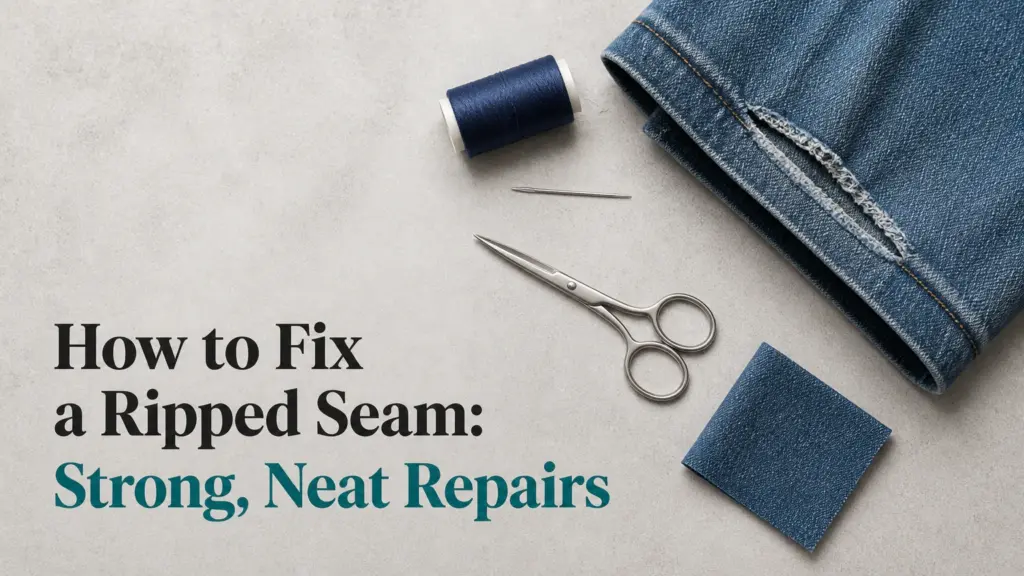
To fix a ripped seam, turn the garment inside out, align the original seam edges, and resew 1 cm beyond both ends of the opening. Use a backstitch by hand or a straight lockstitch on woven fabric, then secure the thread and press the seam. Stretch fabric requires a narrow zigzag instead. Key Facts at […]
How to Replace a Button on a Shirt in 10 Minutes
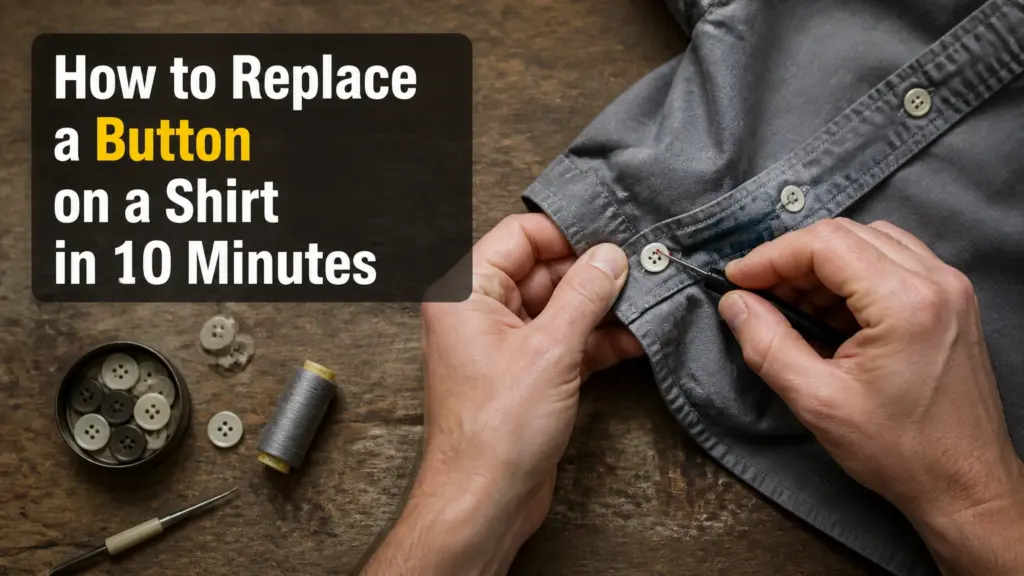
To replace a button on a shirt, remove loose threads, mark the original position through the buttonhole, and sew the replacement with doubled thread. Leave a 1/16- to 1/8-inch thread shank between the button and fabric, then wrap and knot the shank. Most repairs take 5-10 minutes. What Button Replacement Does Replacing a shirt button […]
How to Fix a Loose Button Securely at Home
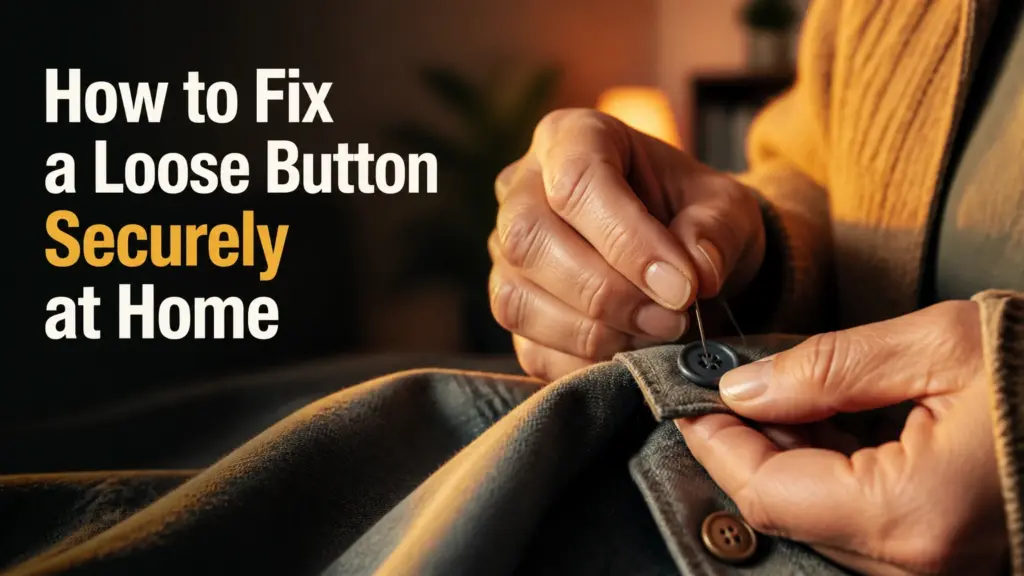
To fix a loose button, remove frayed thread, anchor matching thread through the garment, sew the button with 5-8 passes, leave a 1/16- to 1/8-inch gap, wrap the thread shank, and knot it on the inside. A standard flat button takes about 3-5 minutes and needs a needle, thread, scissors, and a spacer. Why Buttons […]
How to Repair Torn Clothing: 5 Reliable Methods at Home
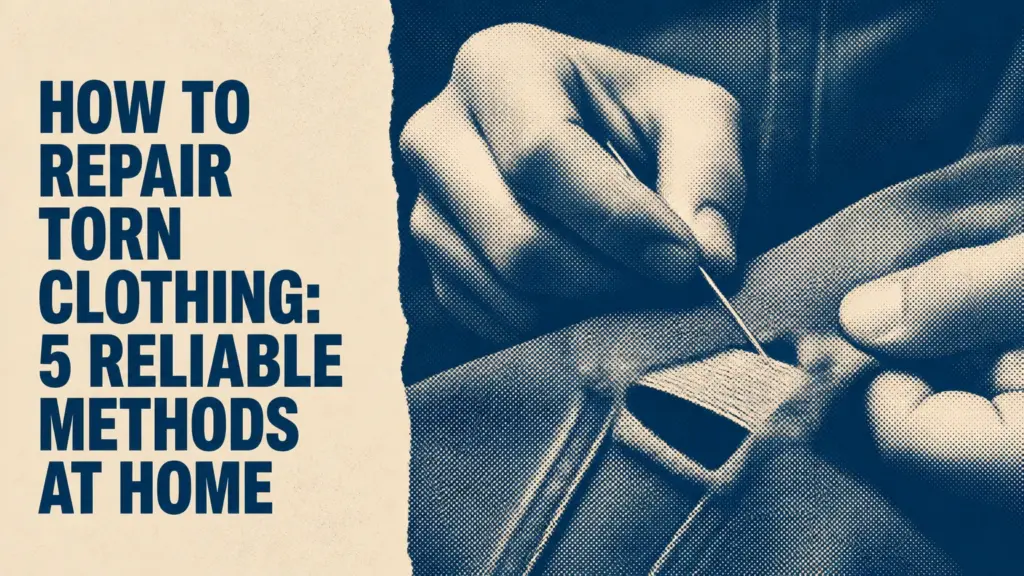
To repair torn clothing, first identify whether the fabric is split, frayed, or missing, then stabilize the damage with hand stitching, machine sewing, darning, or a compatible patch. Most small tears take 10-30 minutes and cost $2-$15 to repair. The most important success factor is anchoring the repair in healthy fabric without creating excess tension. […]
How to Repair Ripped Pants: A Strong, Clean Fix
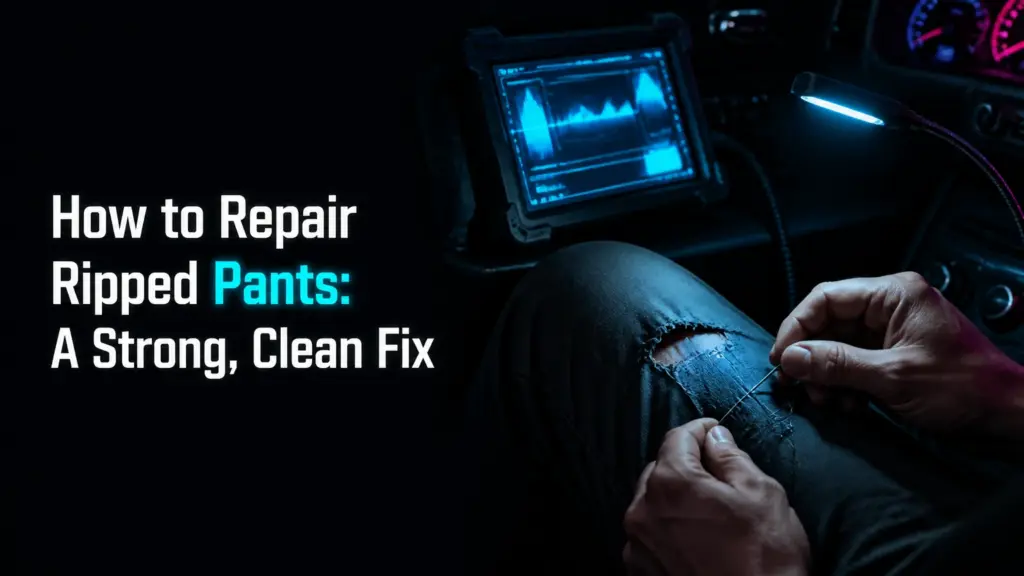
To repair ripped pants, first identify whether the damage is an open seam, a clean tear, a frayed hole, or thinning fabric. Close intact seam edges with a ladder or backstitch, reinforce holes from the inside with a fabric patch and dense stitches, or use an iron-on patch for a fast low-stress repair. The damaged […]
How to Fix a Hole in Clothes: Choose the Right Repair
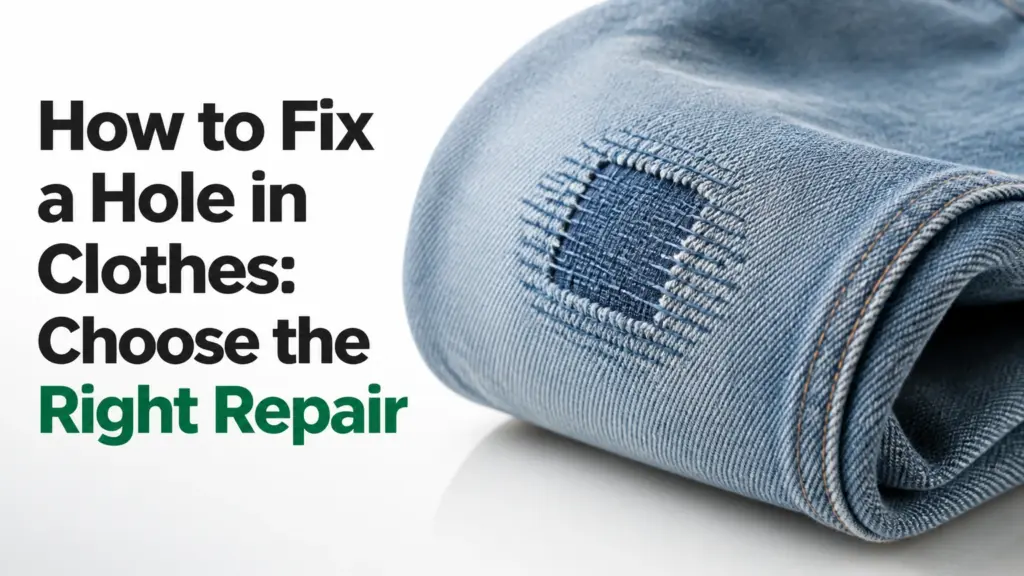
To fix a hole in clothes, match the repair to the fabric, hole size, location, and desired finish. Use a ladder stitch for an open seam, darning for knitwear, a sewn or iron-on patch for larger woven-fabric holes, and professional reweaving for valuable wool, silk, or tailored garments. Most small repairs take 5-40 minutes. How […]
How to Fix a Zipper on a Dress Safely
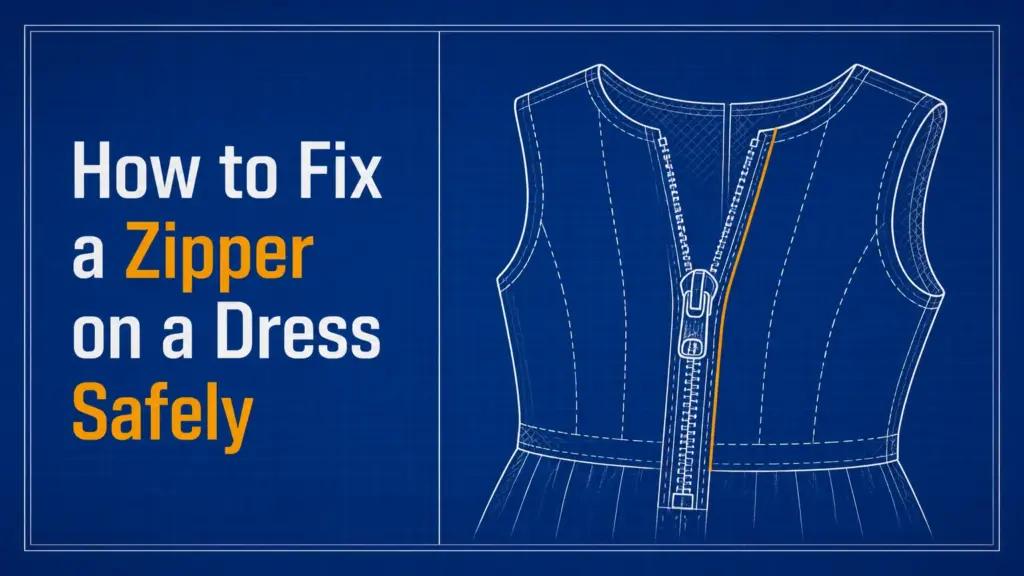
To fix a zipper on a dress, first identify whether the problem is a snagged slider, a loose slider, damaged teeth, a broken pull, or a detached slider. Most stuck or separating zippers can be repaired in 2-10 minutes with soap, a pencil, or needle-nose pliers, while missing middle teeth usually require zipper replacement. The […]
How to Fix a Broken Zipper on Pants in 10 Minutes
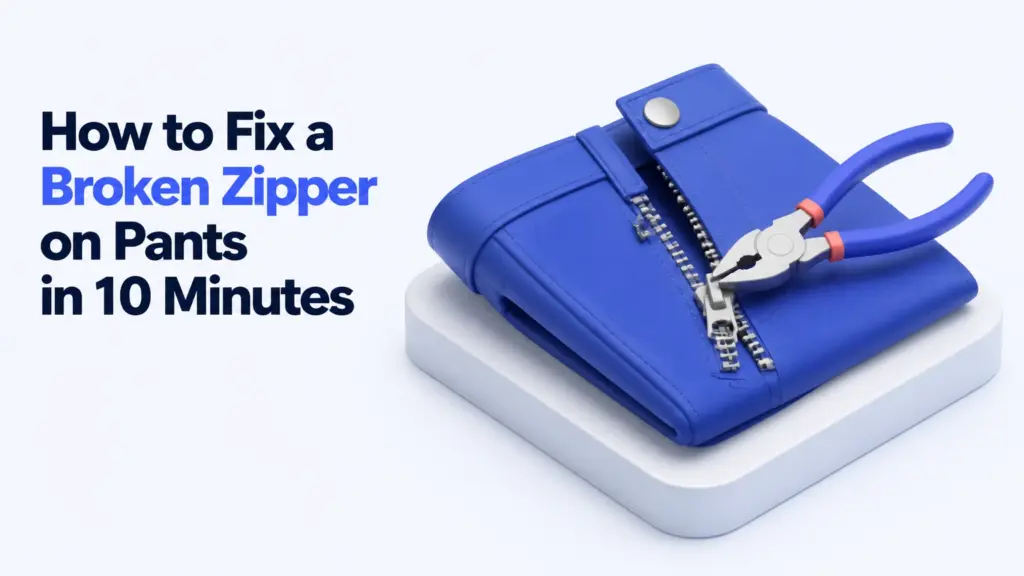
To fix a broken zipper on pants, first identify whether the failure is the slider, teeth, bottom stop, or zipper tape. A widened slider can often be tightened with smooth-jaw pliers in 2-10 minutes, while missing teeth or torn tape usually require zipper replacement or a tailor. Before You Start: Identify the Failure A pants […]
Hemming vs Tailoring: Which Alteration Fits Your Garment?
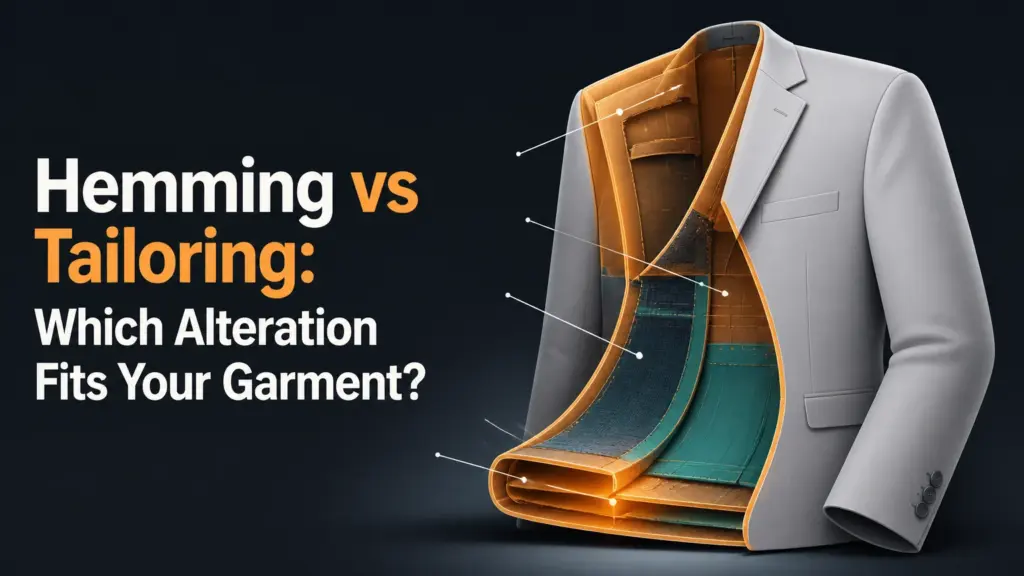
Hemming is a specific garment alteration that changes an edge length, while tailoring is the broader practice of changing clothing fit, shape, or construction. Choose hemming when pants, sleeves, skirts, or dresses are too long; choose broader tailoring when the waist, width, shoulders, rise, silhouette, or drape also needs adjustment. What Is the Difference Between […]
Tailor vs Seamstress: Choose by Garment Structure and Fabric
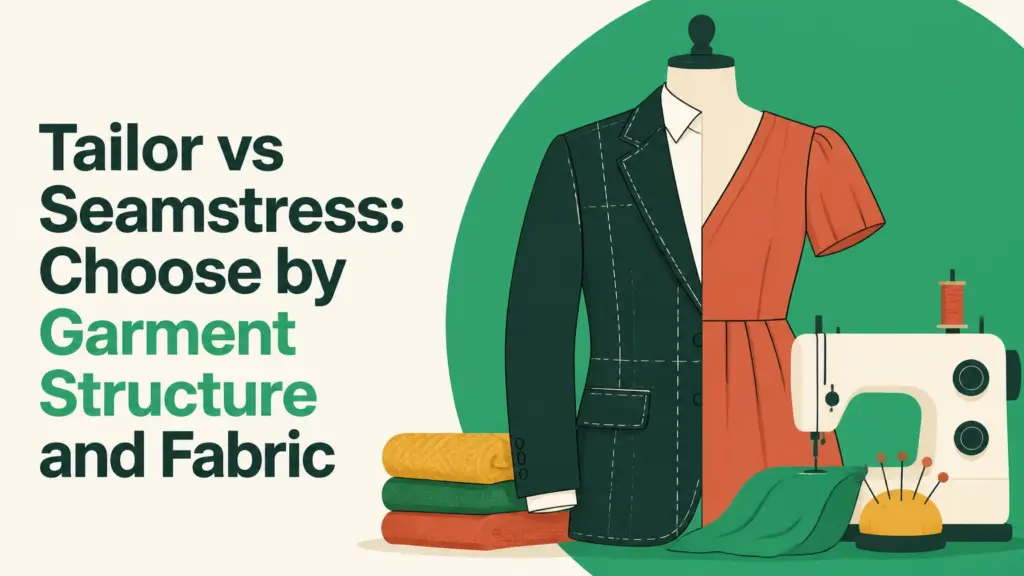
A tailor specializes in fitting and constructing structured garments such as suits, jackets, coats, and trousers, while a seamstress specializes in sewing, repairing, and altering dresses, gowns, skirts, and everyday clothing. The distinction is useful, but portfolios overlap, so the garment’s structure, fabric, and alteration difficulty matter more than the job title alone. What Is […]