How to Get Smell Out of Couch: 5 Steps That Work Safely

To get smell out of a couch, remove the odor source, match the treatment to the upholstery code, and dry the fabric and foam completely. Vacuum first, use baking soda only for light surface odors, use an enzyme cleaner for urine or food proteins, and avoid saturating cushions because trapped moisture can create a worse […]
What Does Tumble Dry Mean? Symbols, Settings, and Shrinkage
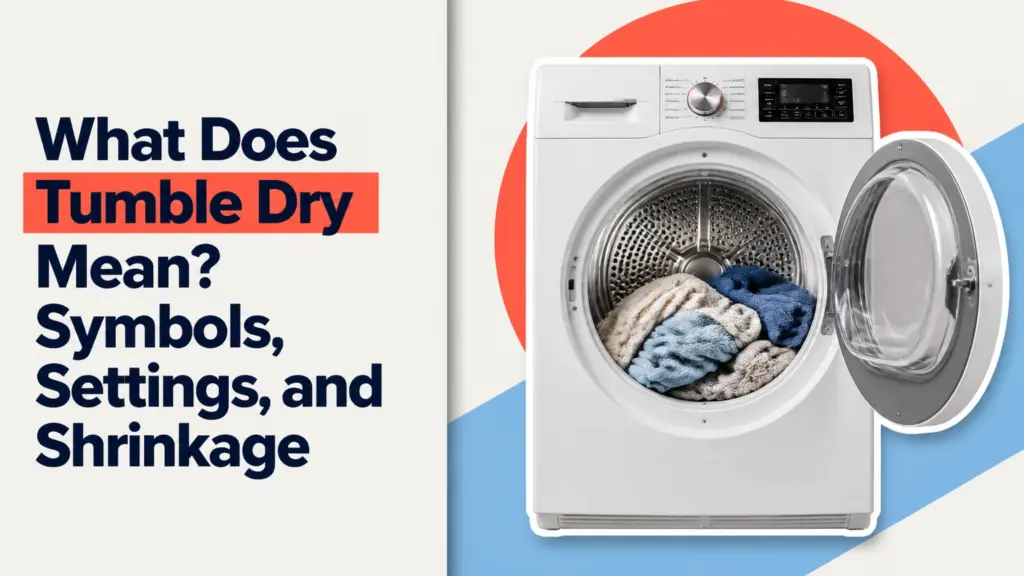
Tumble dry means placing a washable textile in a machine dryer that rotates the fabric in a drum while heated or unheated air removes moisture. On a clothing-care label, the instruction usually appears as a circle inside a square. An X through that symbol means the garment should not be tumble dried. Key Facts at […]
How to Clean a Microfiber Couch Without Water Rings

To clean a microfiber couch safely, first read its upholstery care code, vacuum away dry debris, then use only the approved water-based or solvent-based method in small sections. Blot rather than soak, test every cleaner on a hidden area, dry the fabric with airflow, and brush the nap after it is completely dry. Key Facts […]
What Does Do Not Tumble Dry Mean? Safe Drying Guide
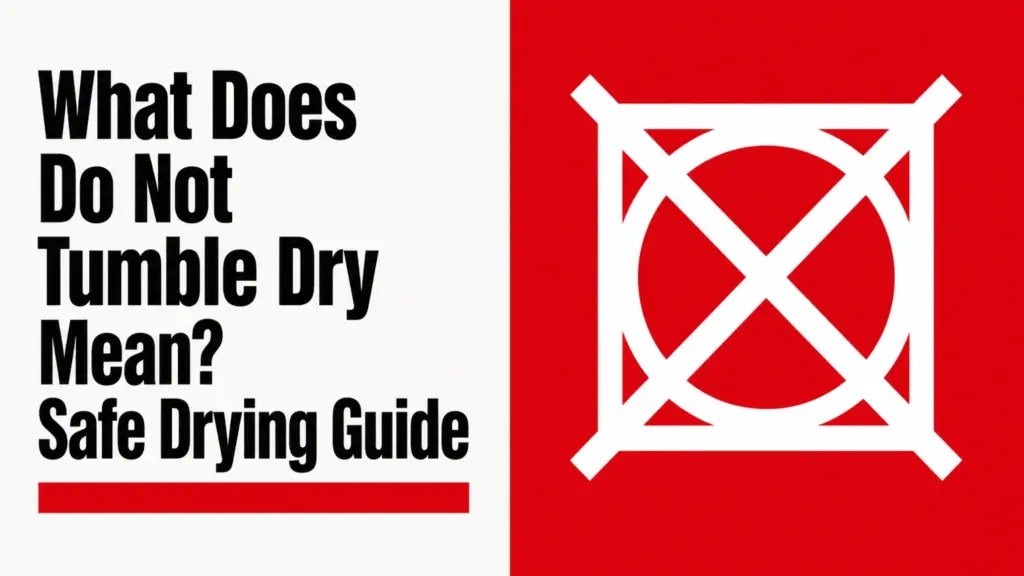
“Do not tumble dry” means a garment must not go into a rotating clothes dryer, including regular, timed, low-heat, and high-heat cycles. The instruction warns that tumbling, heat, and forced airflow may shrink, stretch, abrade, melt, distort, or weaken the item. Use the garment’s approved air-drying method instead. Key Facts at a Glance What Does […]
Is Professional Upholstery Cleaning Worth It? Costs, Risks

Professional upholstery cleaning is worth the cost when furniture has embedded soil, pet contamination, difficult stains, delicate fabric, or enough replacement value to justify specialist care. DIY cleaning is usually sufficient for routine vacuuming and small surface spills on durable, water-safe synthetic fabric, provided you control moisture and use the manufacturer’s cleaning instructions. Key Facts […]
What Do Laundry Symbols Mean? Decode Every Care Label
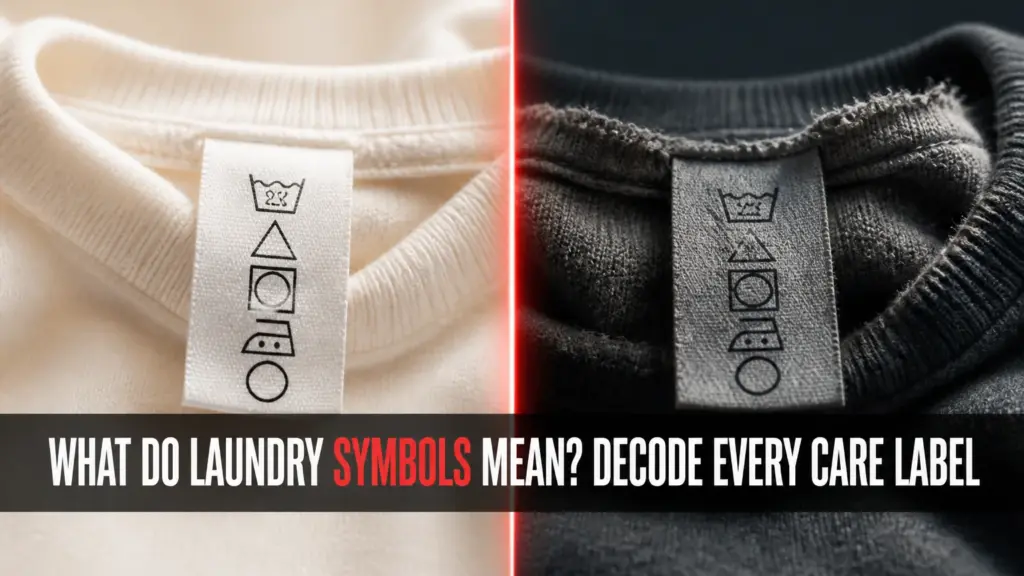
Laundry symbols are standardized care-label pictograms that tell you how to wash, bleach, dry, iron, or professionally clean a garment. Read them from left to right as washing, bleaching, drying, ironing, and professional care, while dots set heat, bars reduce mechanical action, and an X prohibits the pictured process. Key Facts at a Glance A […]
What Does the Triangle Mean on Clothing Labels: Bleach
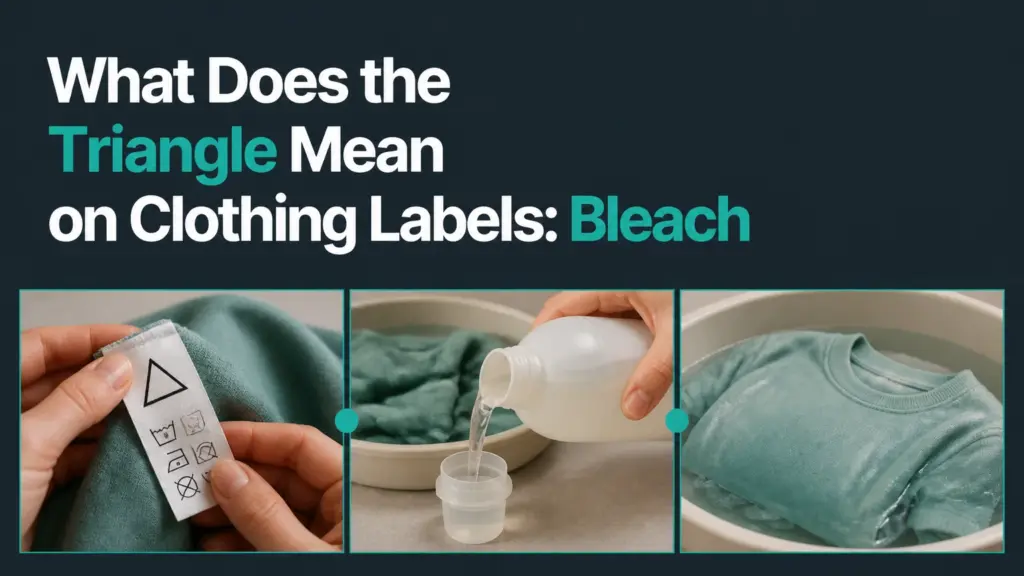
The triangle on a clothing care label represents bleaching instructions. An empty triangle generally permits bleach, a triangle with two diagonal lines permits non-chlorine bleach only, and a crossed-out triangle means do not use any bleach. The symbol concerns chemical bleaching, not ordinary detergent or washing temperature. Key Facts at a Glance What Does the […]
Comforter Care Between Professional Cleanings

After sleeping, pull the comforter back for a short period instead of immediately sealing warmth and moisture beneath pillows. Follow household humidity needs and keep the room ventilated. Never fold or store bedding that feels damp. Persistent moisture can encourage odors and create conditions that are difficult for fill and fabric. Use a removable cover […]
What Is the Difference Between Laundry and Dry Cleaning? A Practical Choice Guide

Laundry cleans textiles with water, detergent, and mechanical action, while dry cleaning cleans garments by immersing them in a liquid solvent other than water. Laundry usually handles sweat, salts, and everyday water-based soil best; dry cleaning often protects structured garments and removes oily soil with less water-related distortion. Key Facts at a Glance What Is […]
How Does Upholstery Cleaning Work? 8 Safe Steps
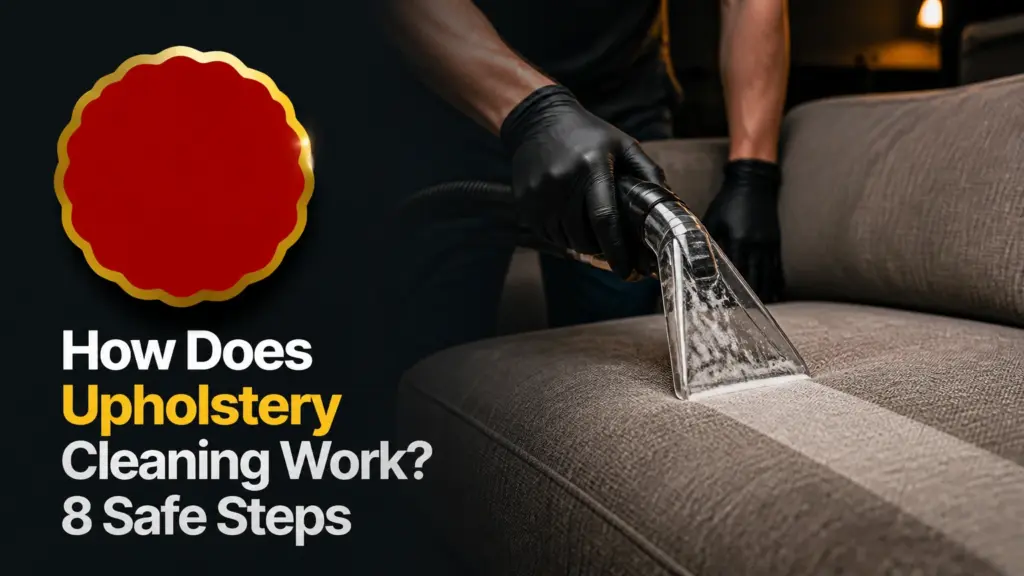
Upholstery cleaning works by identifying the furniture’s fiber and care requirements, removing dry soil, dissolving bonded oils and stains with a suitable product, then extracting or absorbing the loosened contamination. Professionals finish by grooming the fabric and controlling drying, because excessive moisture, heat, or friction can cause bleeding, shrinkage, browning, rings, or fabric distortion. Key […]