Does Dry Cleaning Kill Moths? The Evidence and Limits

Professional dry cleaning can kill or remove many clothes moth larvae, adults, and eggs, but it is not a scientifically guaranteed whole-garment moth treatment. Solvent exposure, tumbling, drying, and pressing make survival unlikely on many washable garments, yet hidden eggs or larvae can remain in thick seams, linings, carpets, or untreated belongings. Dry clean infested […]
Does Dry Cleaning Kill Bed Bugs? What Actually Works
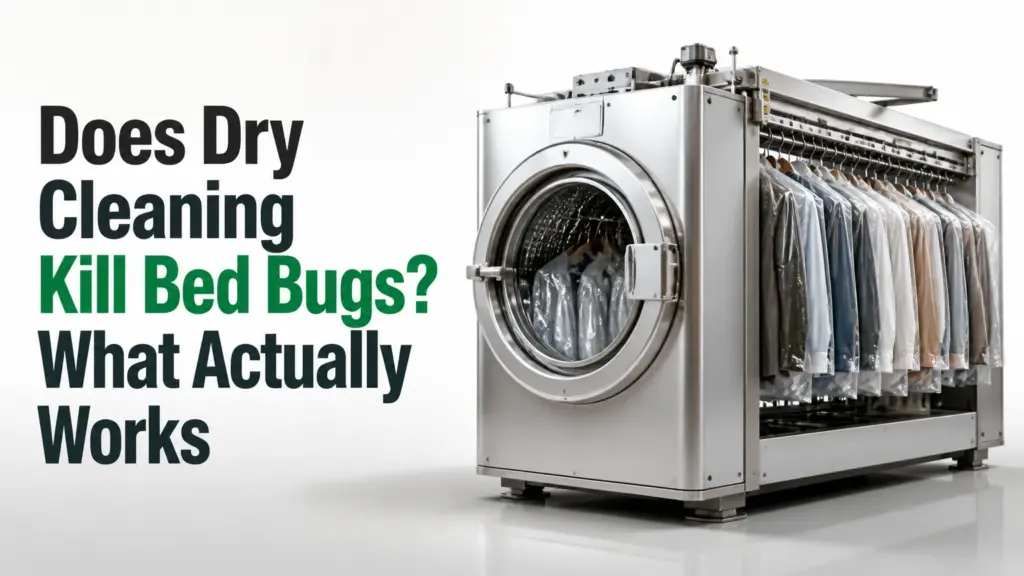
Professional dry cleaning can kill bed bugs and their eggs, but the reliable kill usually comes from the dryer and heat-finishing stages rather than the cleaning solvent alone. Success depends on sustained heat reaching every part of the load, correct textile handling, and sealed transport. Ordinary dry cleaning is not a treatment for an infested […]
How to Remove Pet Odor From Carpet Safely
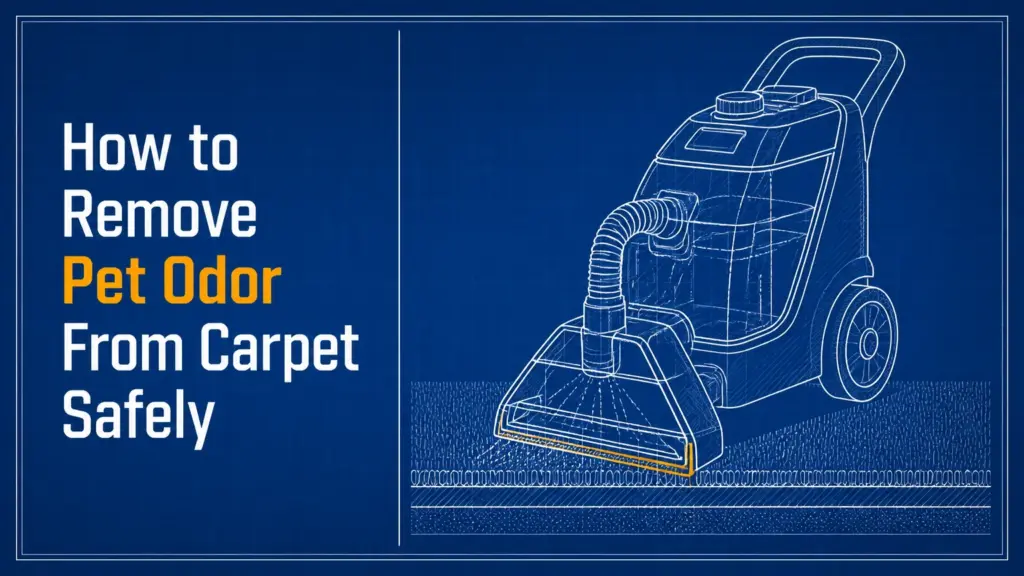
To remove pet odor from carpet, first absorb fresh moisture, then apply a carpet-safe enzymatic cleaner deeply enough to reach the backing and pad, allow the labeled dwell time, extract excess liquid, and dry the area completely. Old or recurring odors may require sub-surface extraction, pad replacement, or professional remediation rather than repeated surface spraying. […]
Does Dry Cleaning Kill Bacteria? What Heat Actually Does
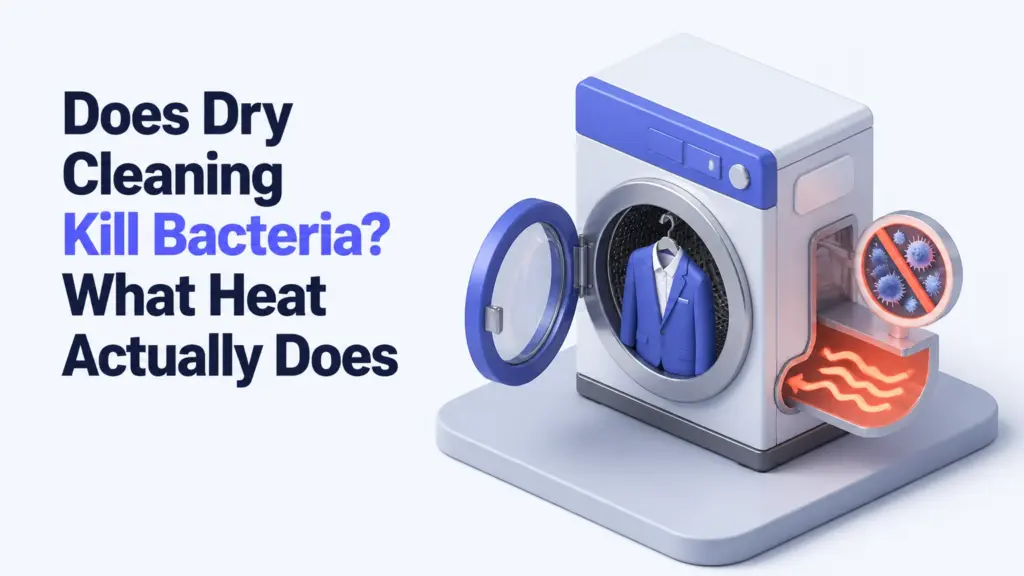
Dry cleaning removes and may kill many bacteria, but it does not guarantee sterilization or complete disinfection. Solvent extraction removes contaminated soil, while drying, steam, and pressing add heat that can inactivate some microorganisms. The result depends on the organism, fabric construction, exposure time, and cleaner’s exact process. Key Facts at a Glance Does Dry […]
How to Get Urine Smell Out of Carpet: Deep Fix
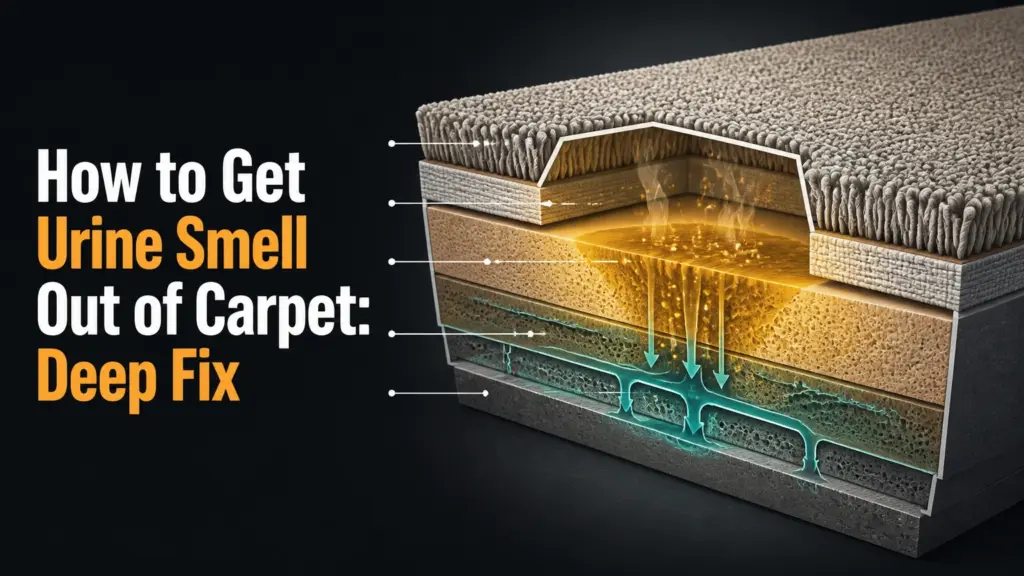
To get urine smell out of carpet, remove the liquid, treat the full contaminated depth with a compatible enzymatic or oxidizing cleaner, and dry the carpet completely. Fresh spots may improve within 24 hours, while old urine in carpet padding can require two treatments, professional subsurface extraction, or replacement of the pad and affected carpet. […]
How to Remove Odors from Carpet: 7 Steps That Last
To remove odors from carpet, identify and remove the odor source, treat the affected fibers and backing with a compatible cleaner, extract residue, and dry the carpet completely. Baking soda helps with mild surface smells, while enzymatic cleaners work better for organic pet accidents and professional extraction is often needed when odor reaches the pad […]
Can Dry Cleaning Remove Sweat Stains? The Real Answer
Yes, professional dry cleaning can remove many sweat stains, but the dry-cleaning solvent alone is not enough. Sweat contains water-soluble salts and proteins, while body oil and antiperspirant buildup contain oil-soluble compounds. Successful removal usually requires fabric testing, wet-side pre-spotting, and sometimes oxygen-based treatment before or after the solvent-cleaning cycle. What Kind of Stain Is […]
Can Dry Cleaning Remove Wine Stains? What Determines Success

Yes, dry cleaning can remove many wine stains, especially when the garment reaches a professional cleaner before drying or heat exposure. Success depends on the textile fiber, dye stability, wine type, stain age, previous treatments, and whether the cleaner performs water-based spotting before the solvent cycle. Can Dry Cleaning Remove Wine Stains? Dry cleaning removes […]
Can Dry Cleaning Remove Pet Odor? A Fabric-Safe Guide
Dry cleaning can remove many pet odors, especially dander, body oils, saliva residue, and general wet-dog smell. Standard solvent cleaning is less reliable for cat urine, feces, or vomit because those contaminants can include water-soluble salts and proteins that require targeted aqueous or enzymatic treatment. Tell the cleaner the odor source before processing. Key Facts […]
Can Dry Cleaning Remove Blood Stains? A Practical Answer
Yes, professional dry cleaners can often remove blood stains, especially when the stain is fresh and the garment has not been heated. The dry-cleaning solvent itself does not dissolve the protein-rich blood effectively; a technician must inspect the fiber, pre-treat the spot with a water-based or enzyme product, flush it, and then clean the garment. […]